EMRO and Kitanakagusuku Village launched a revitalization project combining agriculture, housing, food, and tourism—Phase 1 brings renewable energy from organic waste.
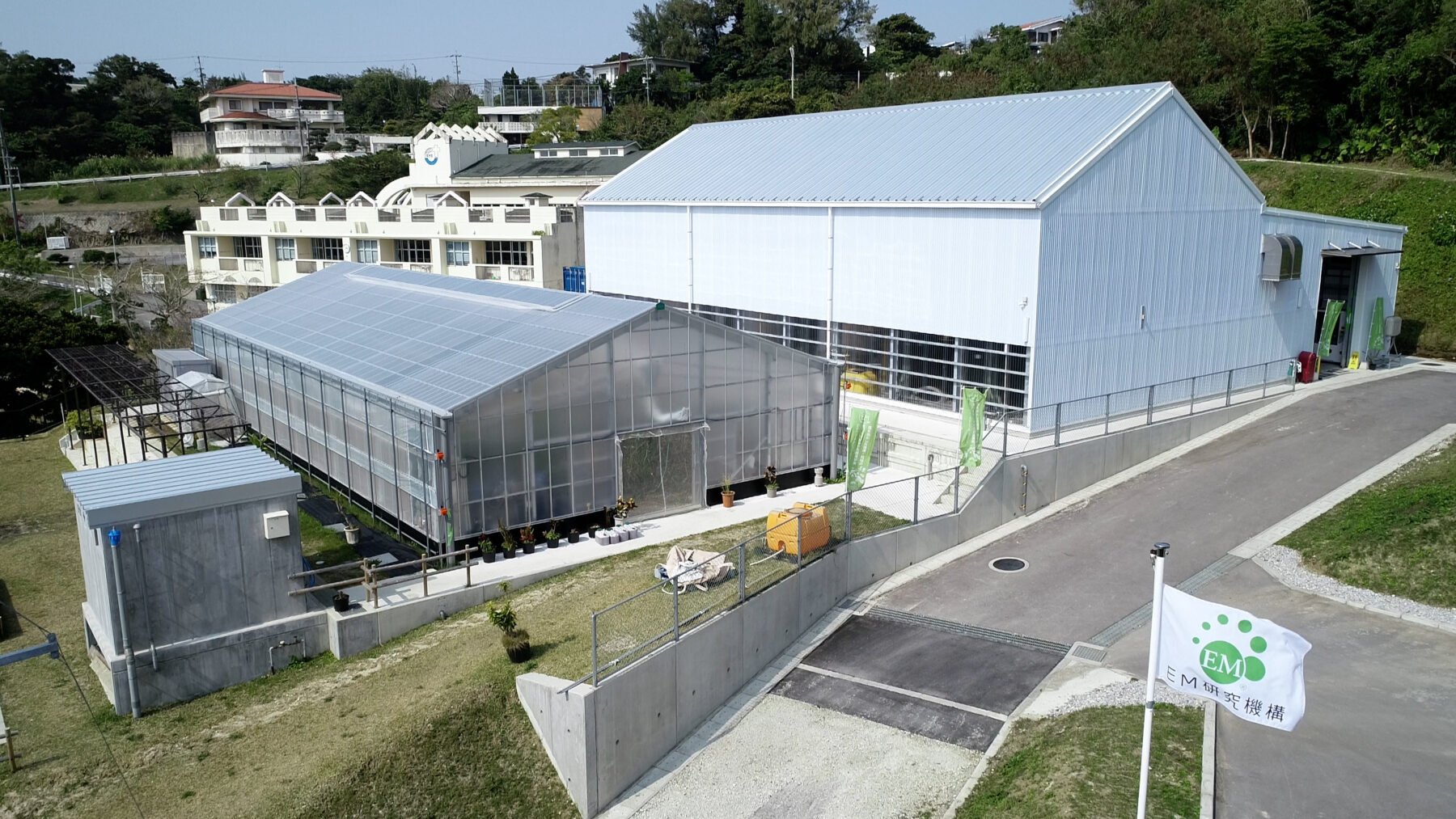
EMRO led the construction of Phase 1, which was completed on November 8, 2024, with full operations starting in April 2025.
This phase introduced the Bio Cycle Center, where recycled organic waste is transformed into electricity to power the facility. Additionally, food waste is processed into EM Bokashi and fertilizers, which support local organic farming.
*Read also Completion Ceremony of Phase 1: Kitanakagusuku EM Universal Village Project
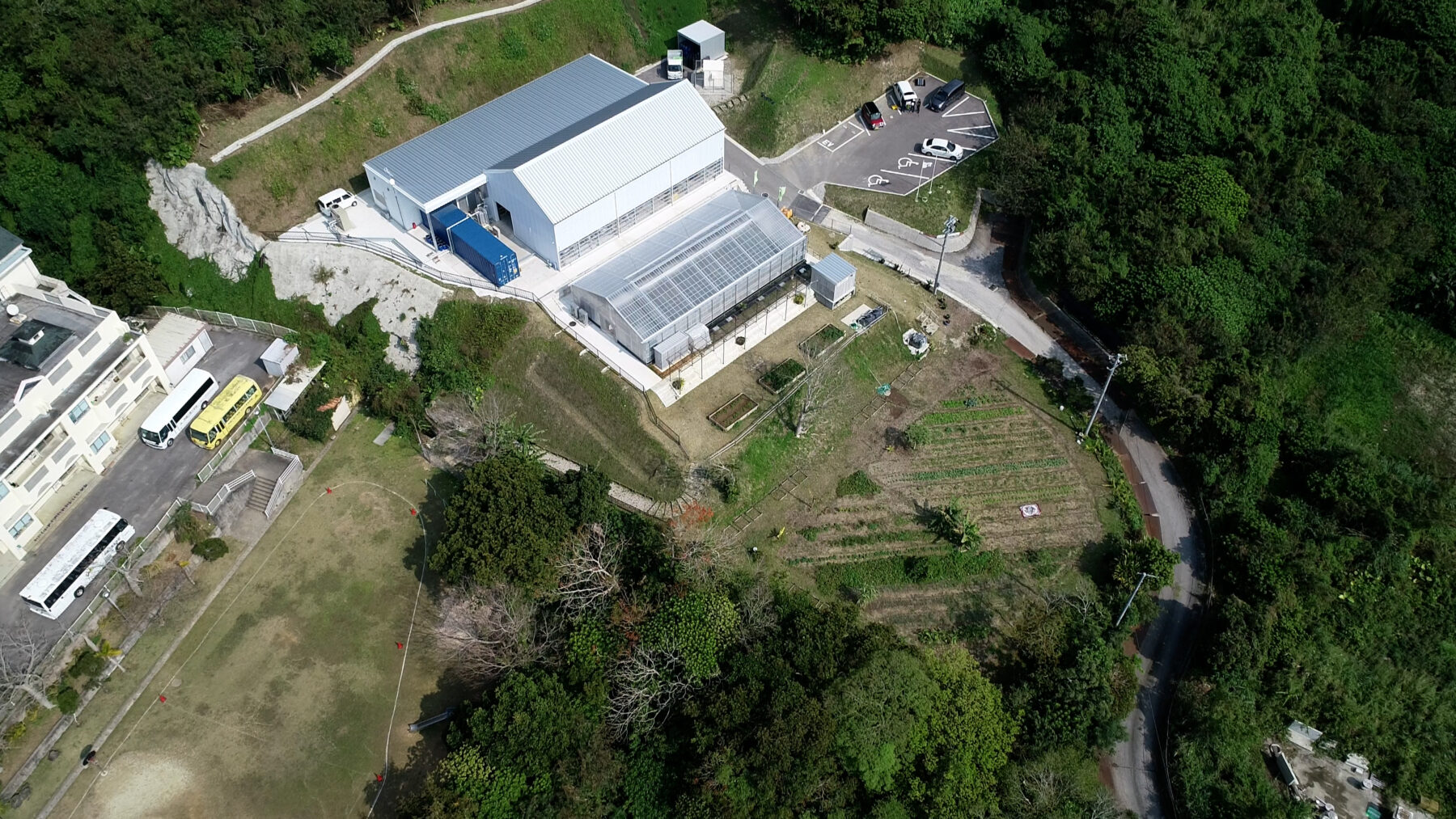
The EM Universal Village integrates biogas power generation, compost production, and microbial solutions to support organic farming in Kitanakagusuku. It also includes a farm for school students and plots for organic farming methods.
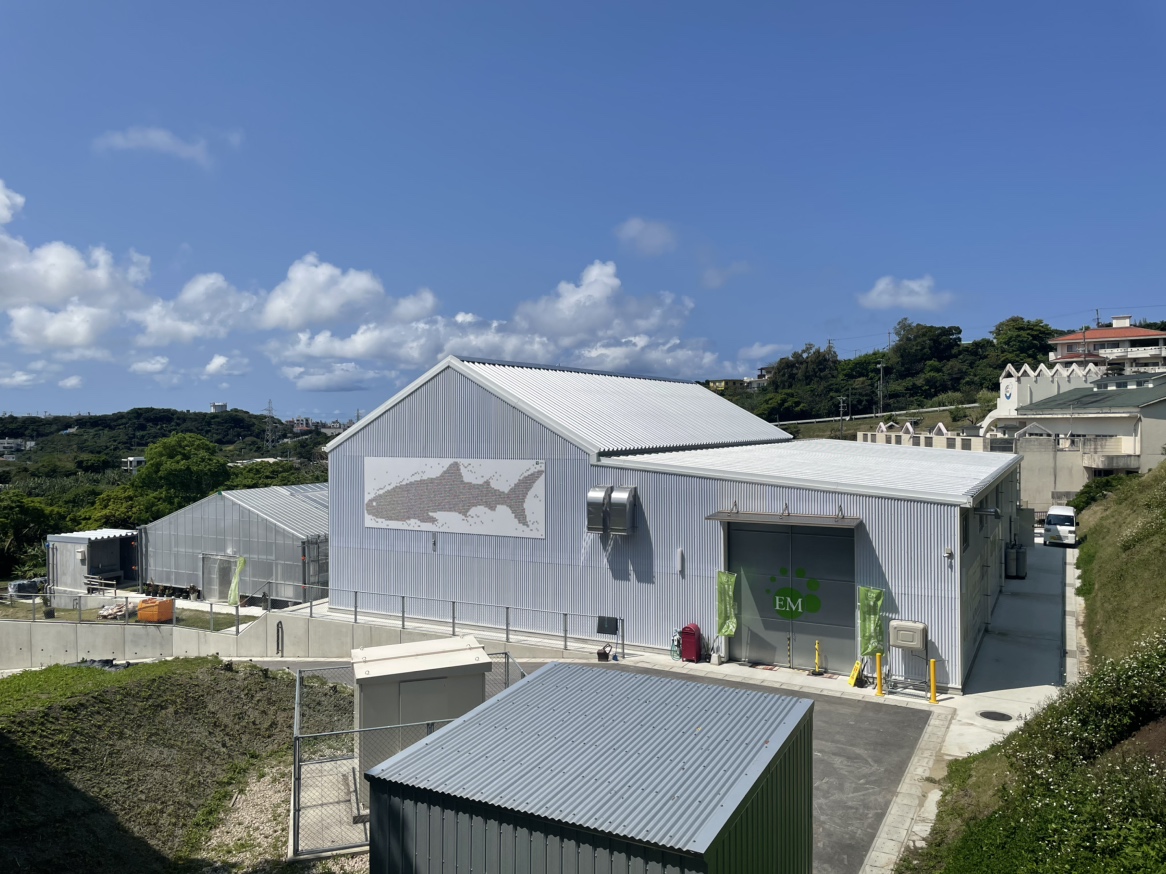
The Bio Cycle Center converts food waste into electricity, compost, and liquid fertilizer, creating a self-sustaining energy cycle.
*Learn more about Bio Cycle Center
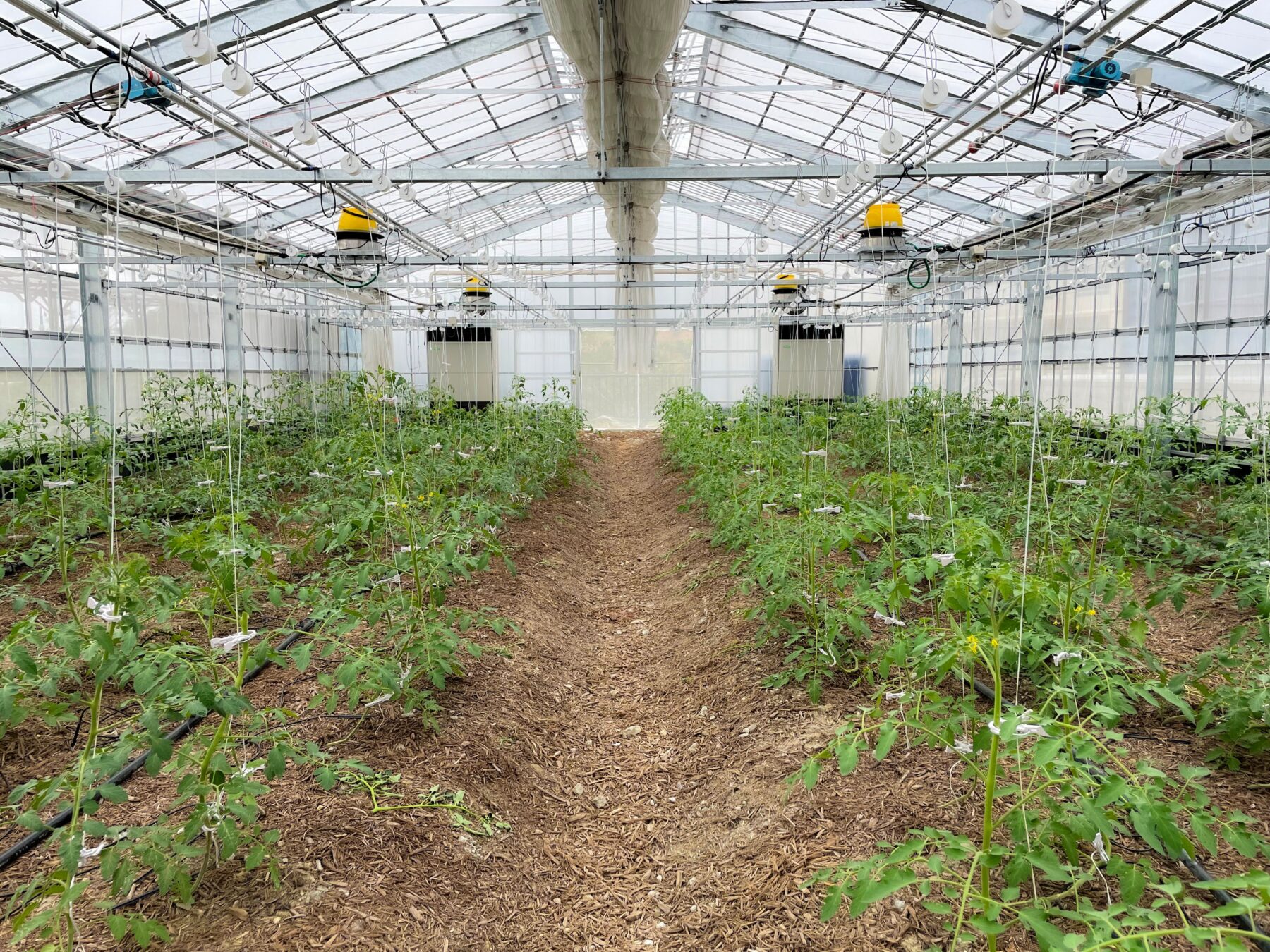
This ICT-powered greenhouse uses renewable electricity and fertilizers from the Bio Cycle Center, combined with EM Technology, to grow organic vegetables.
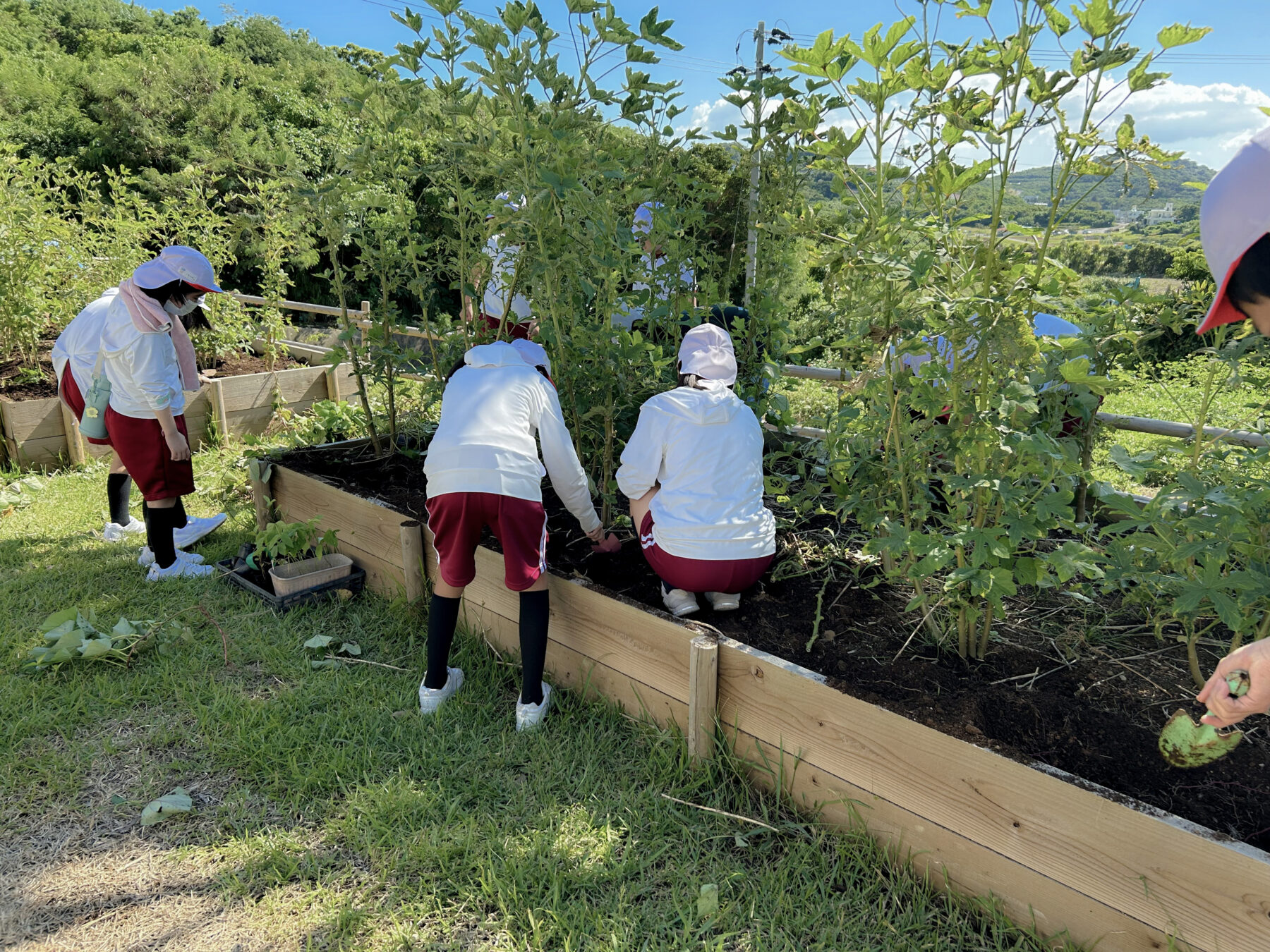
This farm allows students from Okinawa Saniku Elementary School to learn about circular agriculture and environmental sustainability.
*Learn more about School Children’s Farm
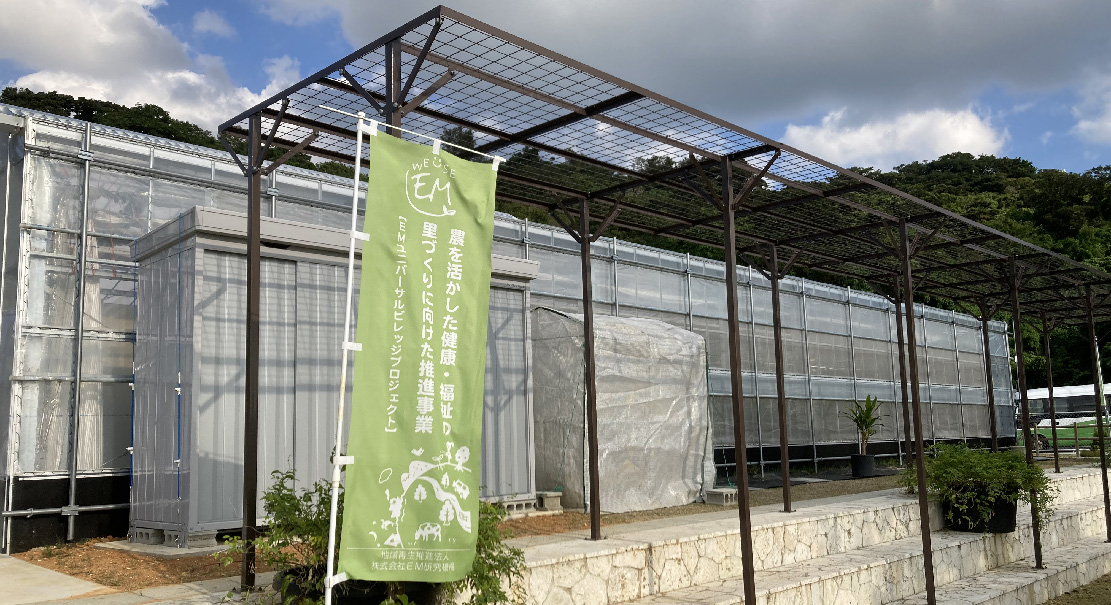
Bio Square is a community space with a scenic terrace where visitors can relax and enjoy nature.
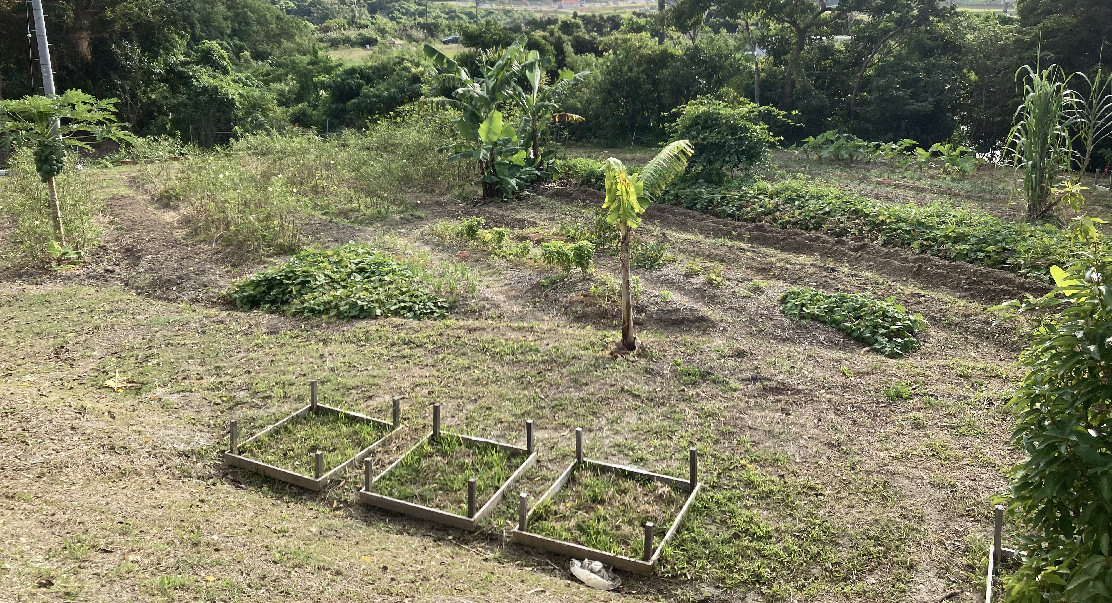
This 900㎡ farm practices eco-friendly agriculture using compost and liquid fertilizer produced on-site.
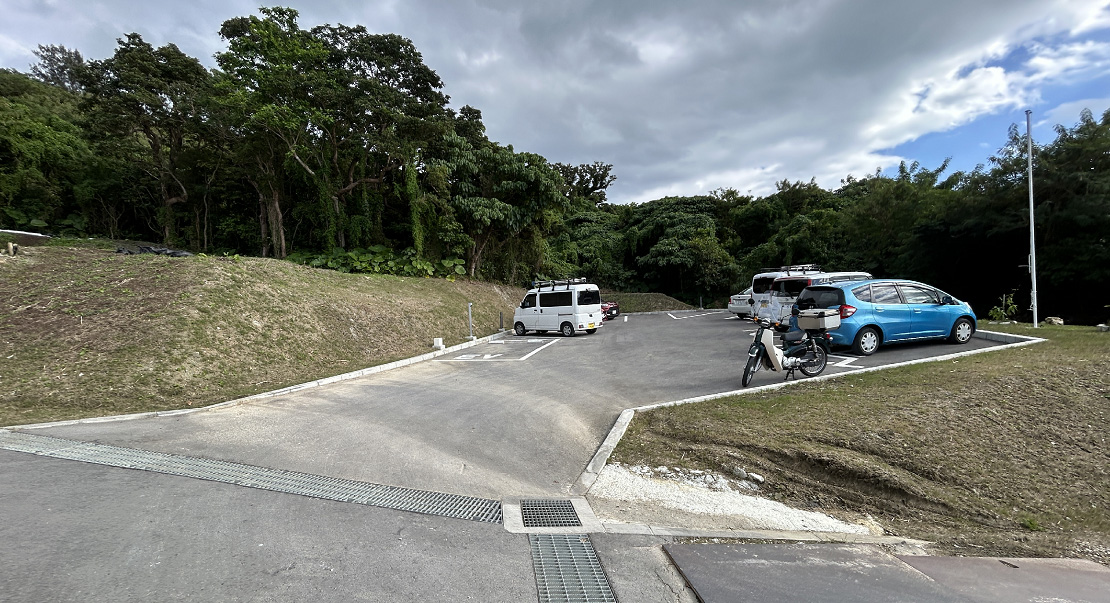
The facility provides parking for 10 vehicles and an EV charging station powered by biogas energy.
Through collaboration with public authorities and organizations both in Japan and abroad, we aim to address global challenges and build sustainable communities around the world.
Updates will be posted soon.
2025.4.16 Updated

EM Research Organization, Inc.|
All Rights Reserved. 2025 © EM Research Organization