This is the third installment regarding the use of EM in Costa Rica, home to EARTH University, a center of operations for the dissemination of EM in Central and South America.
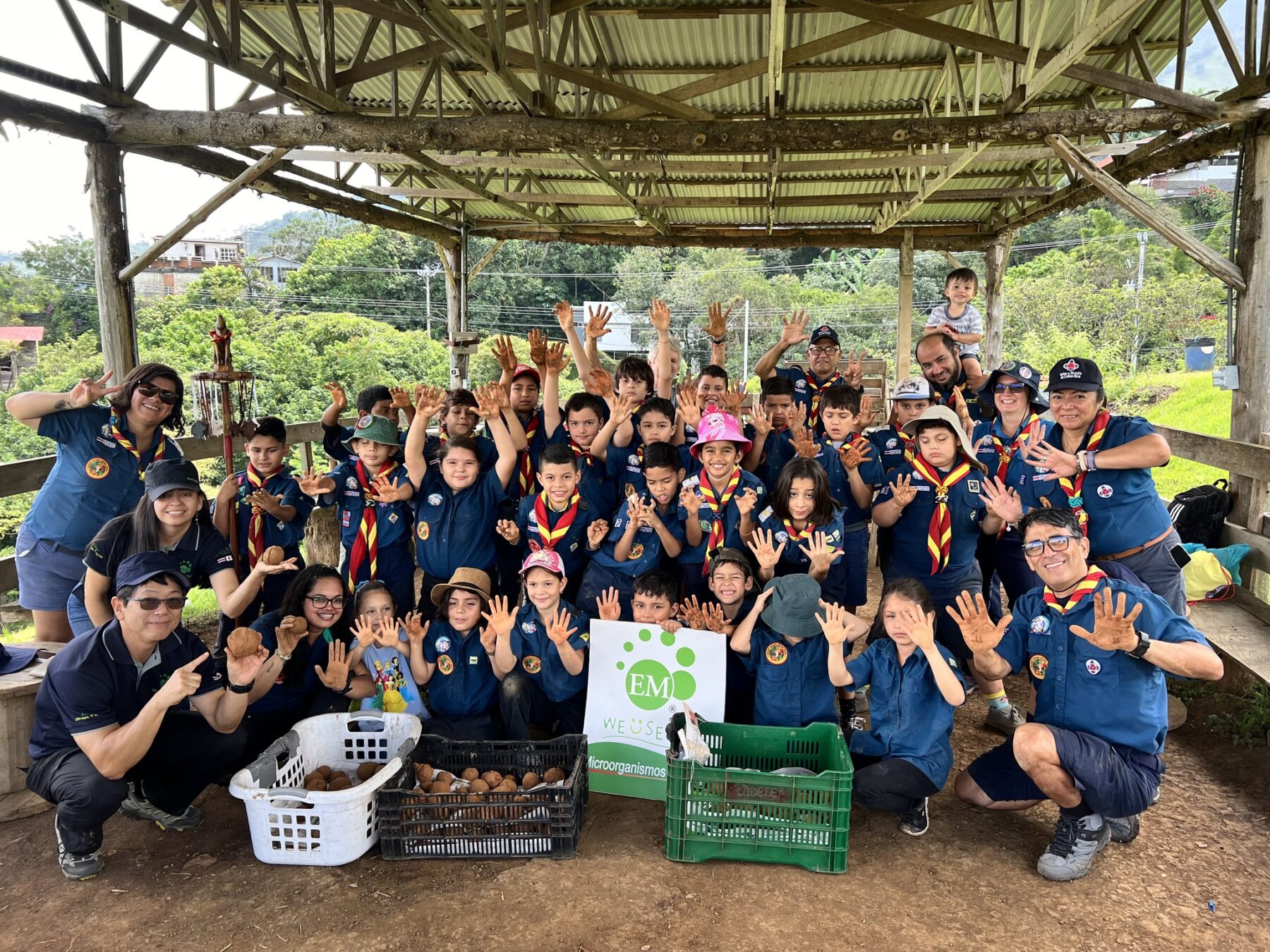
In collaboration with Citizen Water Monitoring Committees (OCAs), we have supported activities wherein local residents are in the forefront of protecting rivers using EM technology. Our partner BIONOVATION has also cooperated in these projects, helping expand water purification nationwide. This report summarizes the achievements from 2024.
There were three primary sources of river pollution at the time:
All of this resulted in a crisis involving “odors, turbidity, and declining wildlife populations.”
Once the problems were identified, we took direct action. In Costa Rica, we adopted an approach that builds on achievable goals, implementing actions that didn’t burden the local community. Essentially, this involved laying the groundwork to suppress pollution while restoring the river’s capacity to self-recover.
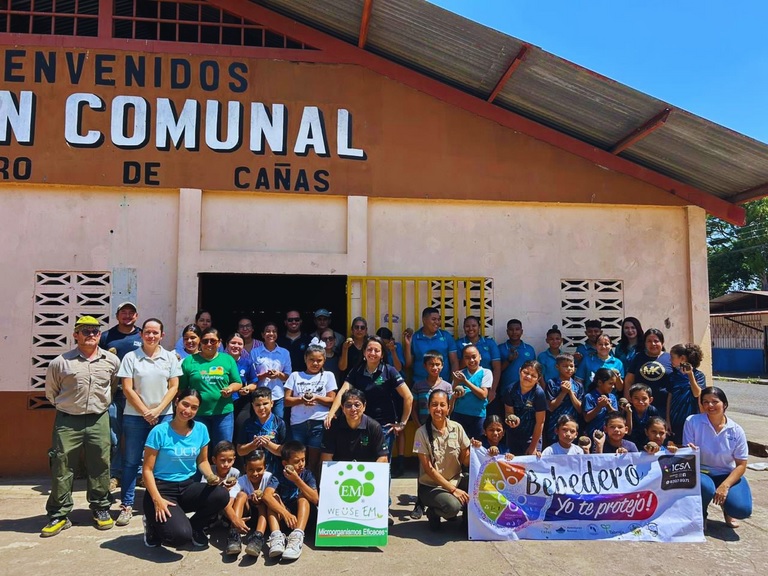
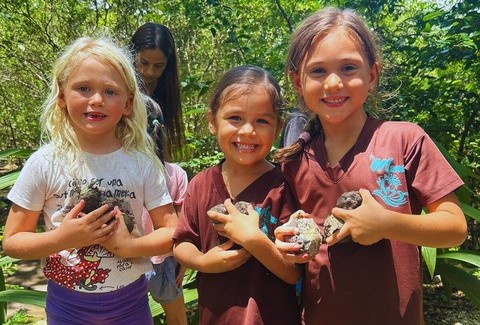
Multiple OCAs held regional events. Thousands of handmade EM dango (energy balls) were simultaneously released into the Bebedero River, San Pedro River, and Aguas Calientes River, with the goal of suppressing pollution, improving water quality, and restoring aquatic ecosystems. The active participation of local residents made these events a great success.
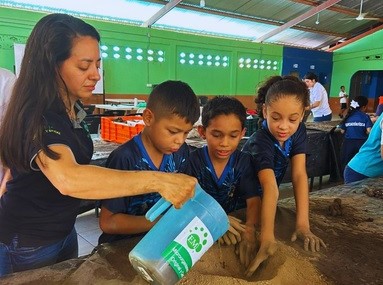
Workshop programs taught participants of all ages—from children to adults—how best to understand biodiversity, observe aquatic life, and check the health of local rivers. Participants learned to measure the condition of their rivers “with their own eyes,” fostering a greater awareness of the natural environment.
In collaboration with schools, municipalities, and private organizations, we planted thousands of native trees along riverbanks. This community-wide effort advanced riverbank conservation and habitat restoration.
Through both on-site observations and measurement data, river changes are becoming increasingly clear. The following three pillars support this progress:
Biologists and children collect aquatic organisms, then evaluate pollution levels during EM dango workshops. Further, research is underway that explores the relationship between bird distribution and river pollution.
Since sewage and household wastewater still flow directly into the environment in some areas, we are strengthening campaigns to encourage pollution reduction at the source, not relying solely on EM application. We are also focusing on workshops to raise environmental awareness.
EM dango are gaining acceptance as a biological purification method in both public and private sectors. EM events help create a visible community solidarity and build momentum for future initiatives.
The table below summarizes results from the Sapote River.
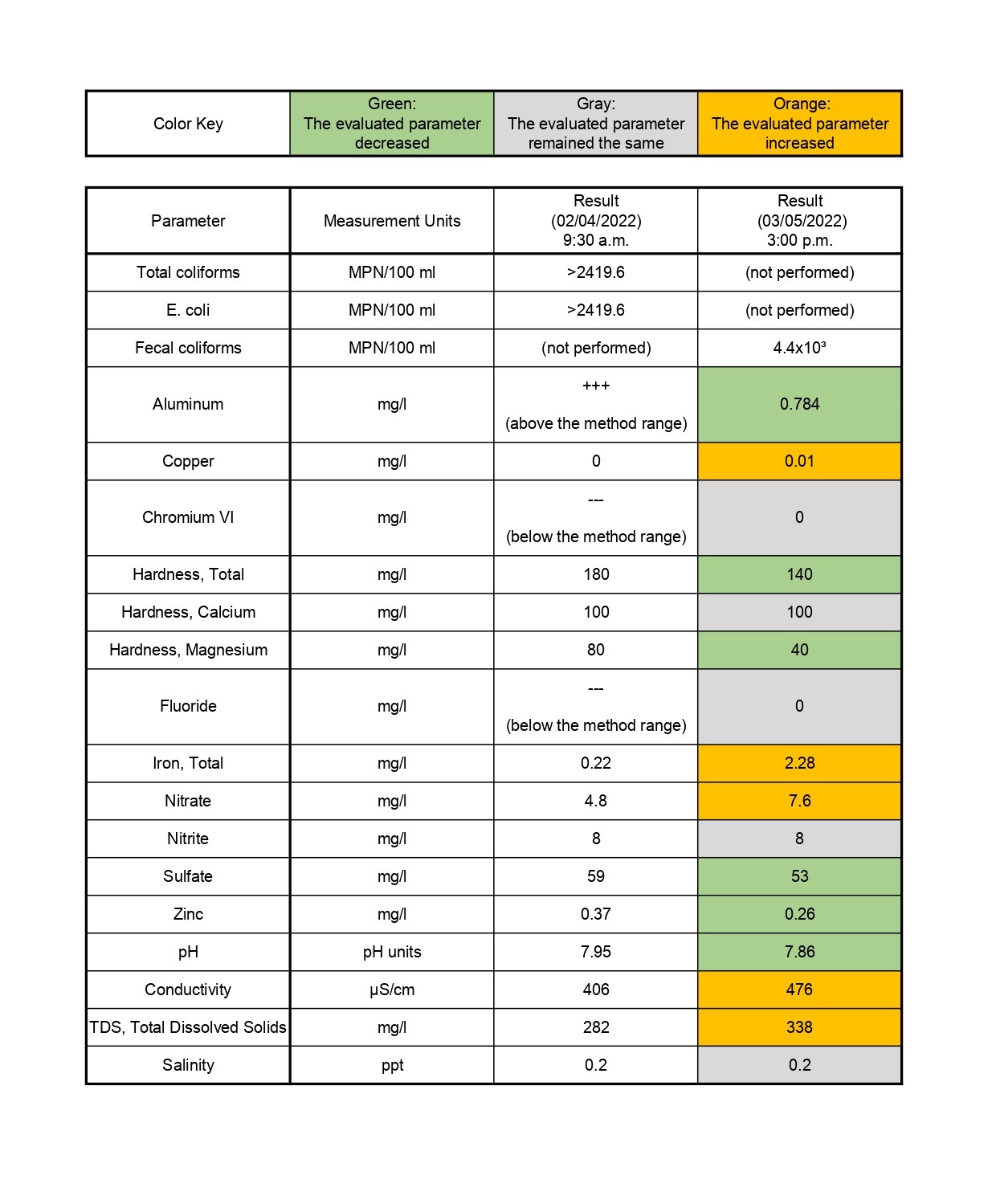
Preliminary results for the Sapote River in 2022 indicate that bacteriological parameters, dissolved solids, and nitrite, nitrate, and sulfate levels may fluctuate due to drainage conditions from upstream. As the project is ongoing, continued monitoring and additional analysis will be necessary.
River restoration using EM is not complete with just the application of EM activated liquid or EM dango. Only when learning (education), reduction (source control), and nurturing (tree planting and habitat restoration) come together as one can a river truly be restored to life.
Costa Rica’s initiatives continue to take solid steps toward sustainable water resource management by putting the technology “back into the hands of the community.”
(Source: “How Costa Rica is Revitalizing Rivers with Community-Led EM Activities” EM GROUP JAPAN)
Read the original Japanese message at the link below.
2026.1.14 Updated.

EM Research Organization, Inc.|
All Rights Reserved. 2025 © EM Research Organization