Here I’d like to introduce example of EM application cases in Costa Rica, home to EARTH University, a base of operations for EM adoption in Central and South America.
In Costa Rica, the use of EM (Effective Microorganisms) for agriculture and environmental issues has become commonplace, and the entire regions are beginning to operate in a cyclical manner with EM at its core. Both publicly and privately, EM has become an integral part of Costa Rican life.
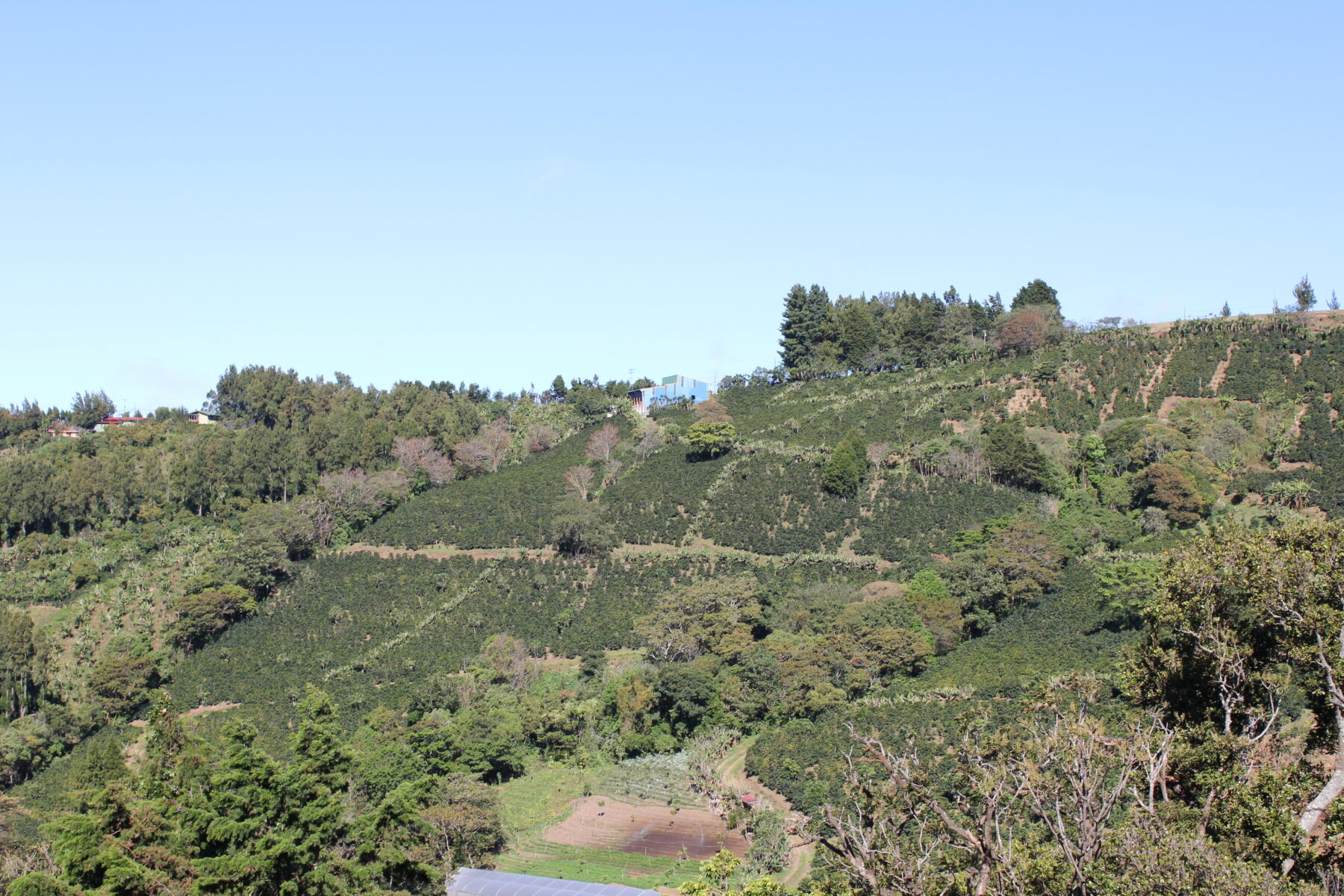
The Santa Lucia Farm is located in the western highland basin, approximately 20km northeast of San José, the capital of Costa Rica. This farm cultivates aromatic coffee using EM technology in a rich natural environment.
The coffee has been selected multiple times for the Cup of Excellence, a prestigious award given to the highest quality coffee harvested that year organized by the Alliance for Coffee of Excellence.
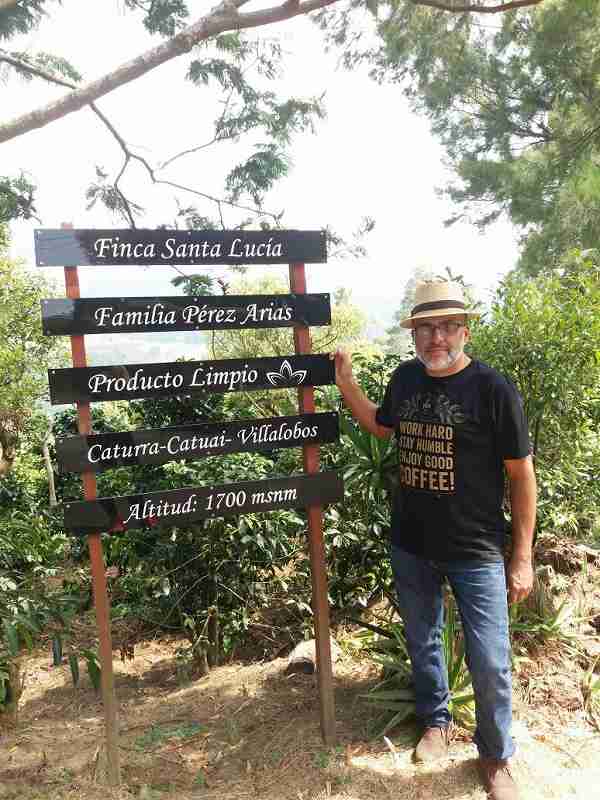
Farm Owner Mr. Ricardo Perez Barrantes
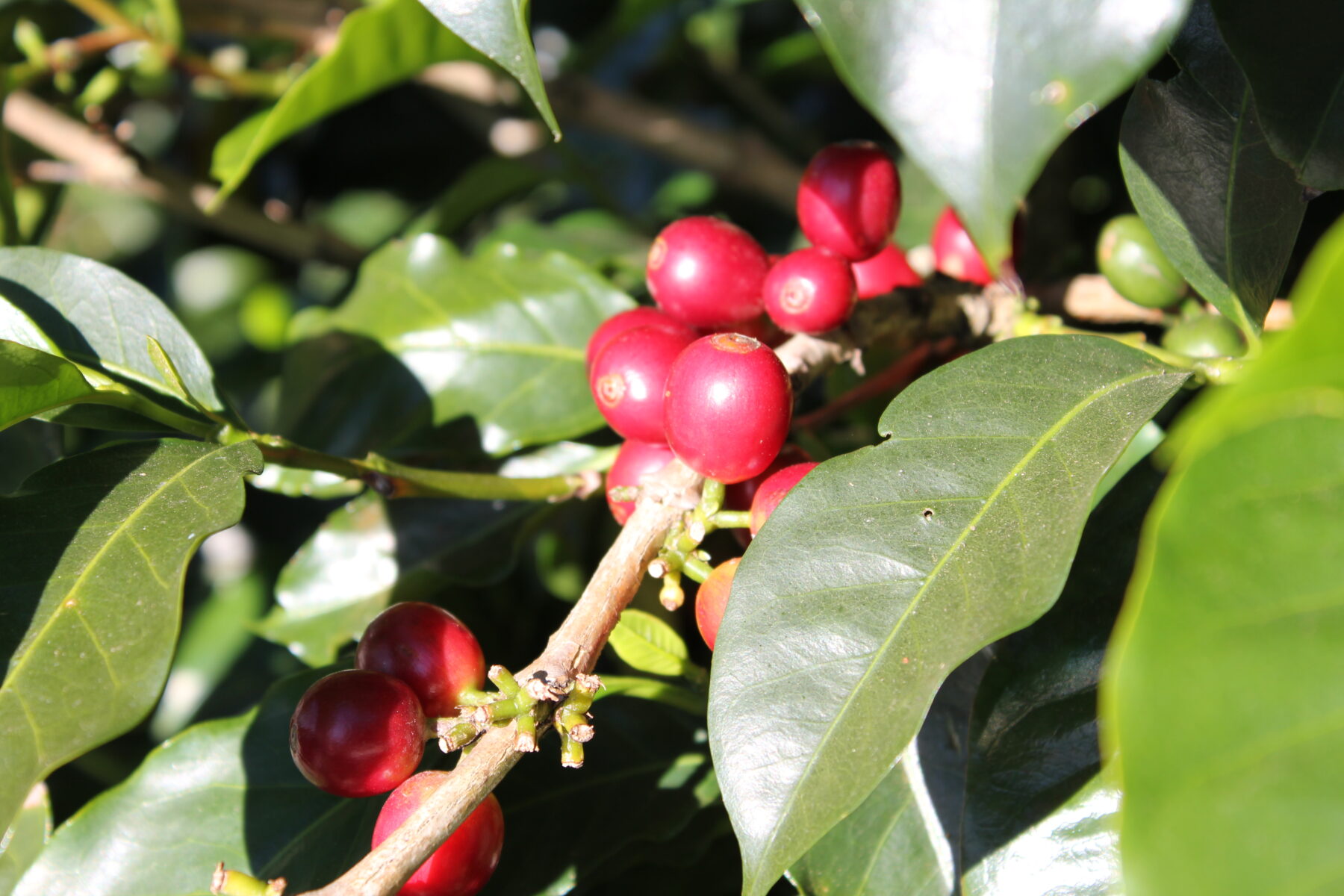
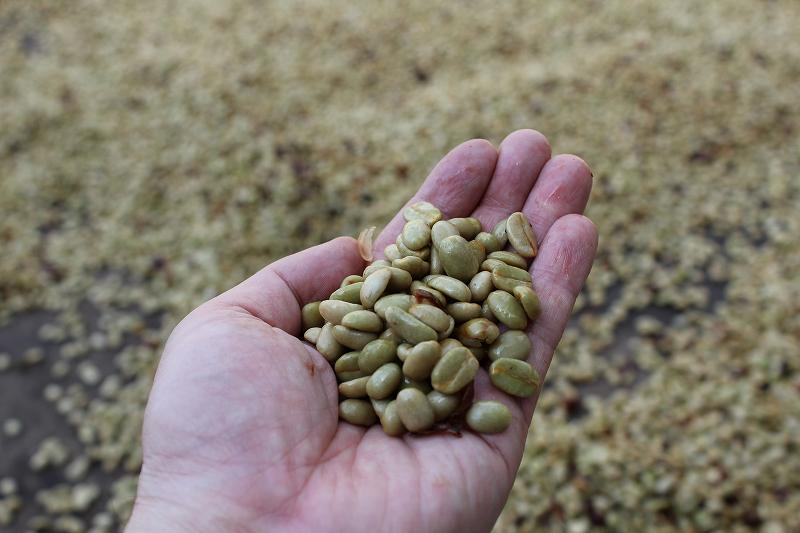
Coffee Beans
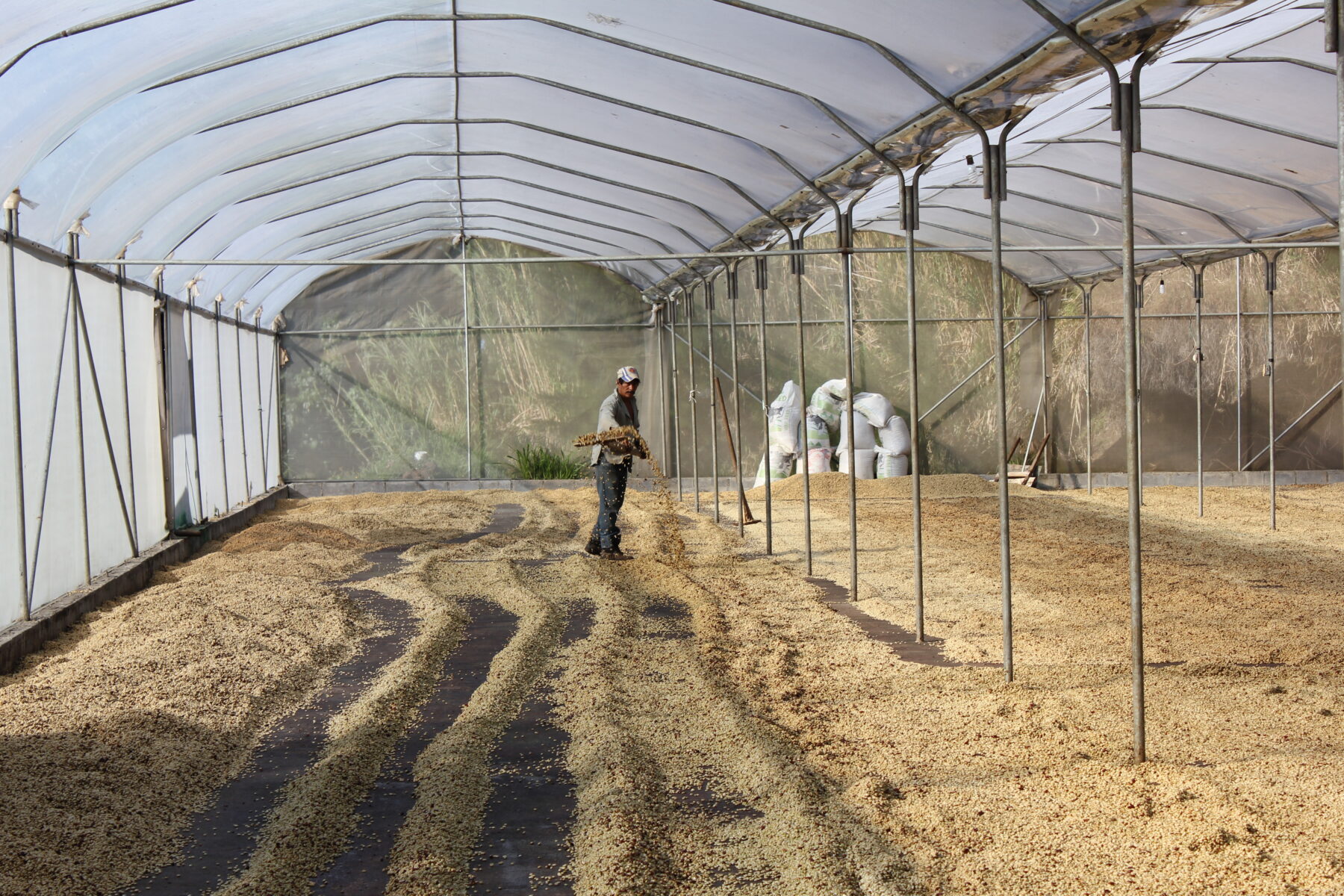
Natural Drying of Coffee Beans
This region’s year-round warm, mild climate allows coffee beans to remain on the trees until fully ripe. At the farm, coffee leaves, fruit, stems, and other residue are fermented with EM to create compost, which is then returned to the fields. EM is also used for irrigation and foliar spraying to control pests.
In this way, a recycling loop has been firmly established throughout the entire farm: coffee residues are fermented with EM to create compost, which is then returned to the fields.
Furthermore, by incorporating EM into irrigation and foliar spraying the company has successfully protected the plants from pests and stabilized tree conditions. Through these great efforts, the sugar content and aroma of the coffee beans have steadily increased, and their rich flavor is clearly reflected in the winning of the Cup of Excellence. The sustainable practice of recycling agriculture supports Santa Lucia Farm’s high-quality coffee production.
(Source: “Santa Lucia Coffee Farm: Cultivating Quality and Sustainability”/ EM Group Japan)
Read the original Japanese message at the link below.
2025.12.14 Updated.

EM Research Organization, Inc.|
All Rights Reserved. 2025 © EM Research Organization