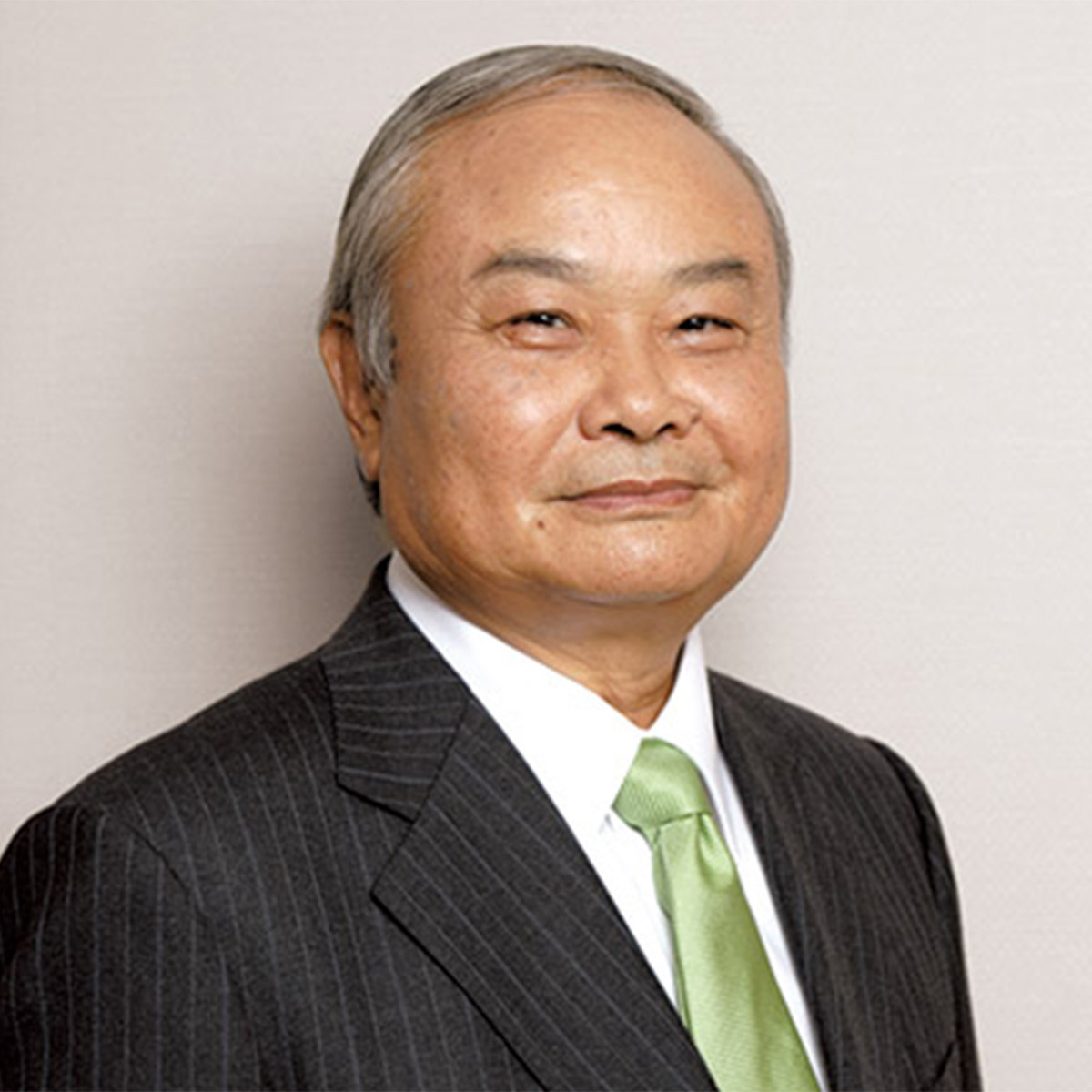

The origins of Effective Microorganisms trace back to Prof. Teruo Higa’s early research in horticulture, where health problems caused by agricultural chemicals encouraged him to seek safer, more sustainable methods.
Years of trial and error led to a breakthrough. He discovered that combining multiple microbes could boost plant growth.
In 1980, he perfected the optimal mix, naming it EM, and has since envisioned it as a tool to address global challenges in food, health, and the environment.
Today, he continues to pioneer research, promoting sustainable solutions that benefit both people and the planet.
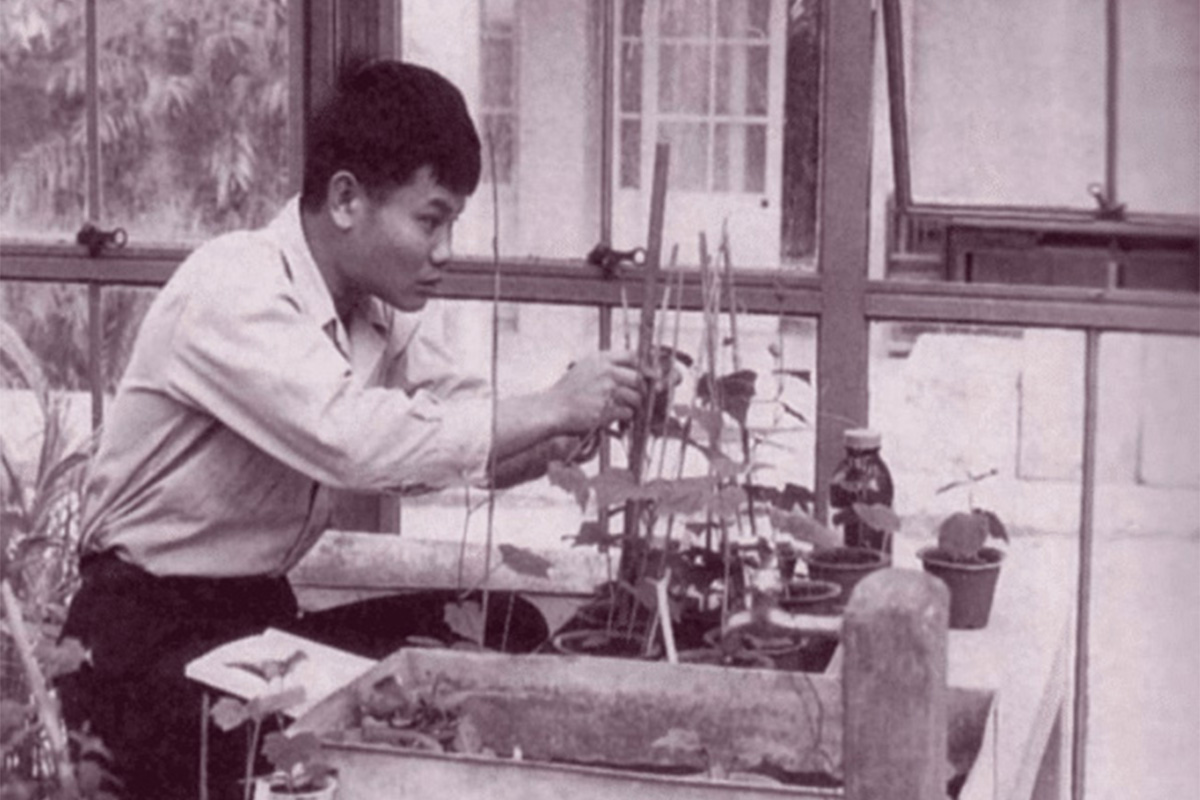
Prof. Teruo Higa’s journey began during his doctoral studies in horticulture at Kyushu University Graduate School, where he was researching mandarin oranges. It was there he first recognized the potential of microorganisms in agriculture, a discovery that would ultimately shift the course of his research.
In those days, orange farming relied heavily on chemical fertilizers and pesticides. As a farmer himself, Prof. Higa valued their labor saving benefits, especially compared to the effort required to make quality compost. However, prolonged exposure to agrochemicals began affecting his health. He developed persistent rashes that worsened over time, prompting a serious reevaluation of his work. This health crisis became the turning point that led him to focus entirely on microorganisms.
Following the standard research practices of the time, Prof. Higa initially tested one microorganism at a time. Despite five years of tireless experimentation, he saw little success. When he returned to the University of the Ryukyus in Okinawa, he shifted his approach, choosing to work only with safe, non-toxic microbes.
Each day, he collected leftover strains in a bucket to dispose of them later. One day, instead of pouring the mixture down the drain, he decided to sprinkle it on a patch of grass.
What happened next changed everything.
A week later, the grass he treated was noticeably healthier than the surrounding area. No students had conducted experiments there, so Prof. Higa realized it had to be the effect of the microbial mix. That moment was a breakthrough, the key was in combining multiple types of microorganisms, not isolating them.
After many trials and errors, he discovered an optimal mix in 1980 that promoted healthy plant growth and coined the name "EM" (Effective Microorganisms) for that group.
His development of EM has brought him international recognition and now he provides guidance and assistance in the application and research of EM around the world.


EM Research Organization, Inc.|
All Rights Reserved. 2025 © EM Research Organization