The Genki Ala Wai Project uses EM Technology to restore Honolulu’s Ala Wai Canal.
A community-led effort is bringing back water quality and marine life.
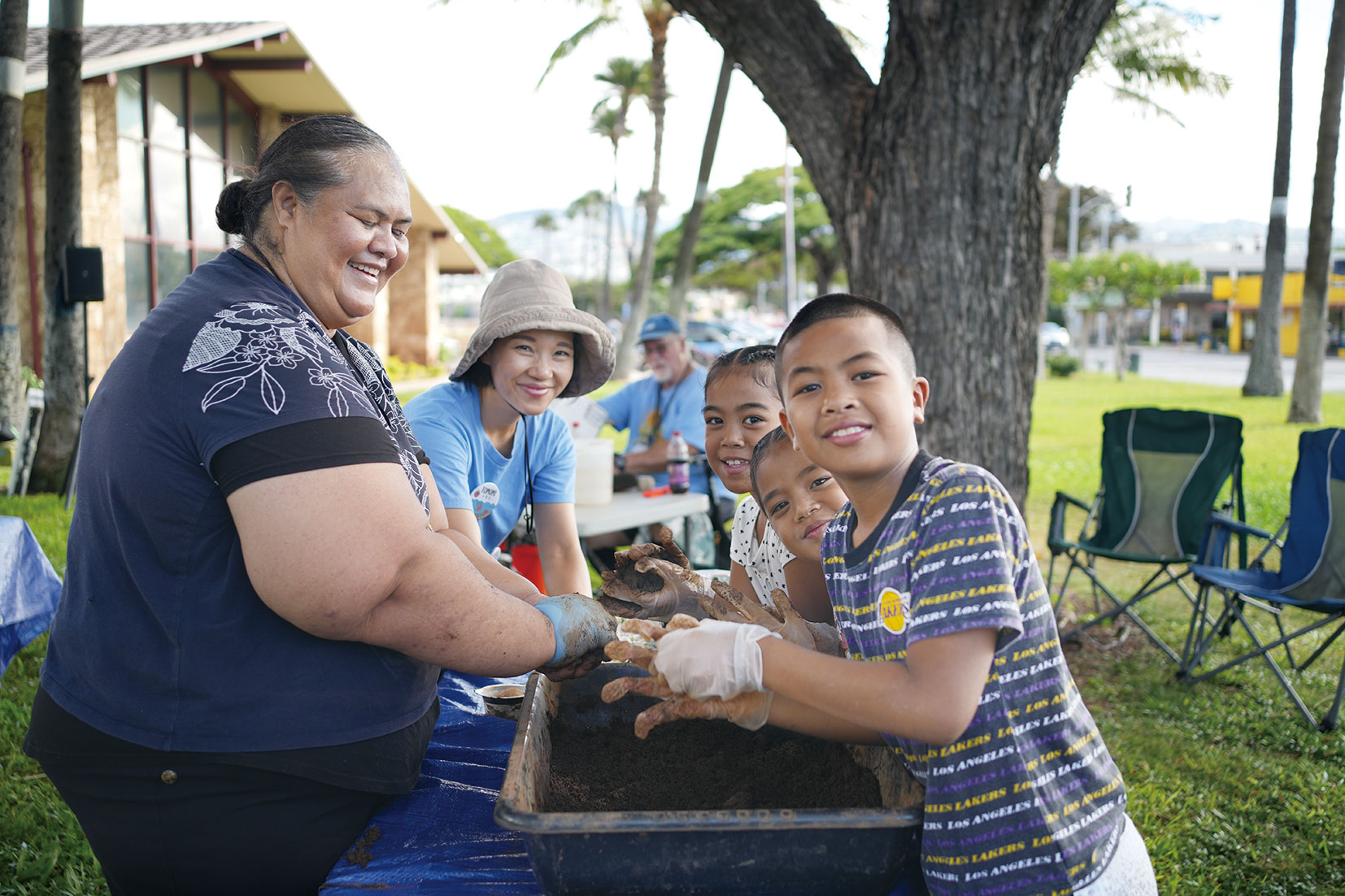
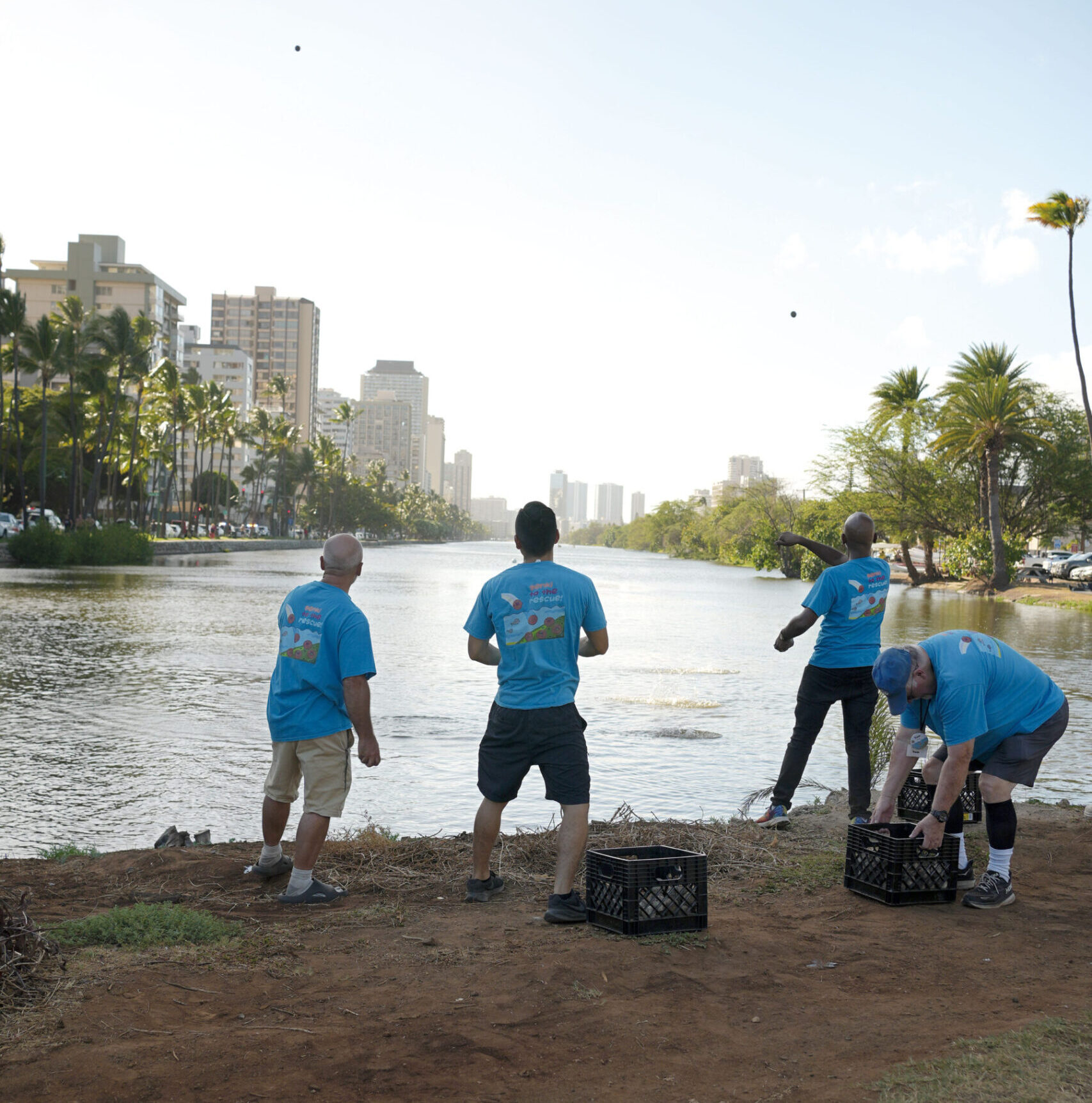
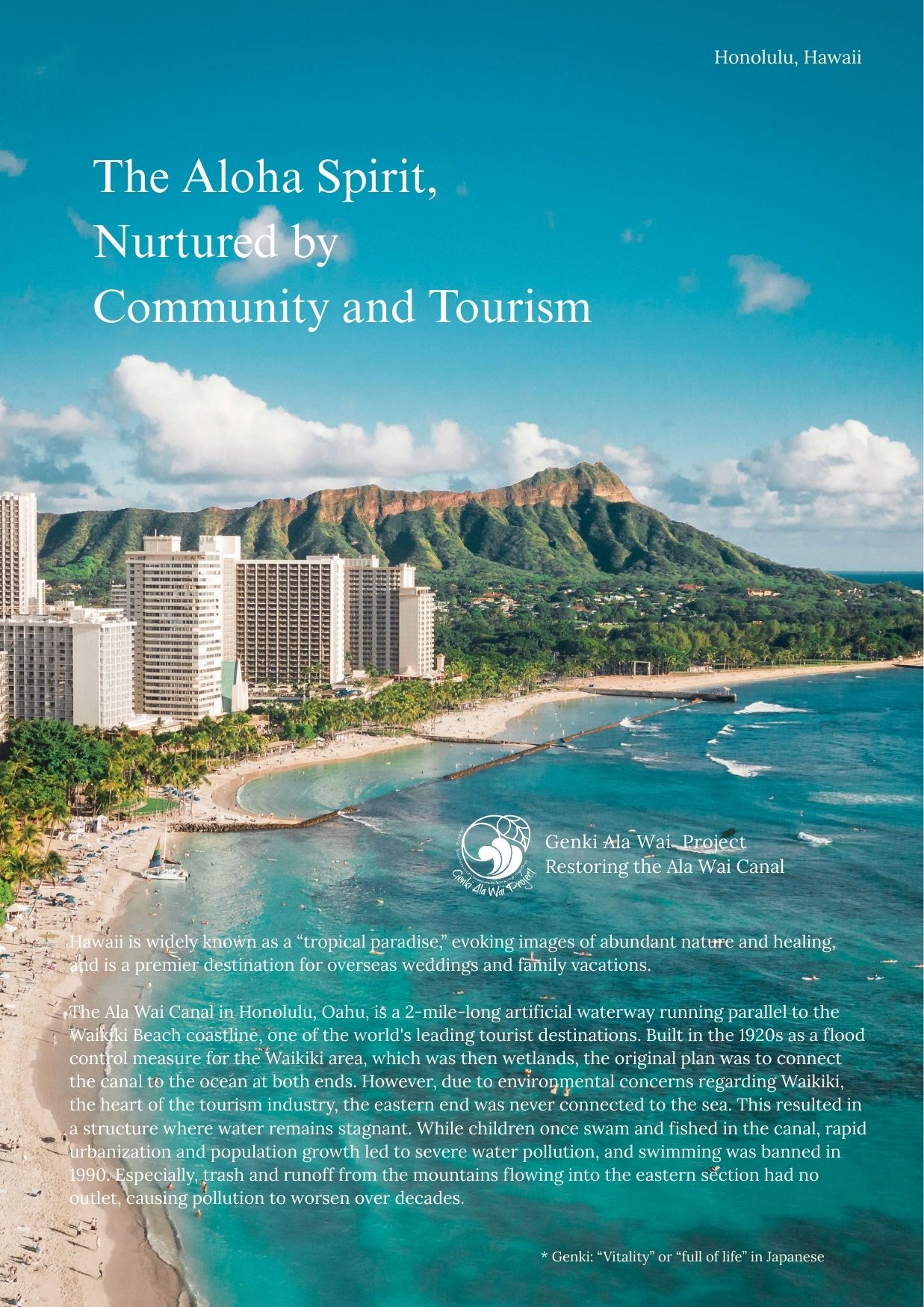
The Genki Ala Wai Project is a community-based initiative to restore the water quality of Honolulu’s Ala Wai Canal, making it fishable and swimmable within seven years. The 2-mile-long canal runs parallel to the coastline of Waikiki beach, one of the world’s major tourist destinations, and plays an important role in local flood control and urban drainage.
The project was launched in 2019 under the Hawaii Exemplary State Foundation, with the objective of restoring the canal’s ecosystem using EM Technology. Although the Foundations’ funding did not materialize, due to the COVID-19 pandemic, project members continued their work, led by local volunteers, schools, businesses, and tourism-related organizations.
EM Hawaii, our official partner, serves as the project’s technical advisor, supplying EM materials and providing long-term technical guidance. Rooted in Hawaiʻi and strengthened by global participation, the Genki Ala Wai Project unites more than 200 partners, including local schools, businesses, hotels, and community organizations, alongside visiting groups from around the world.
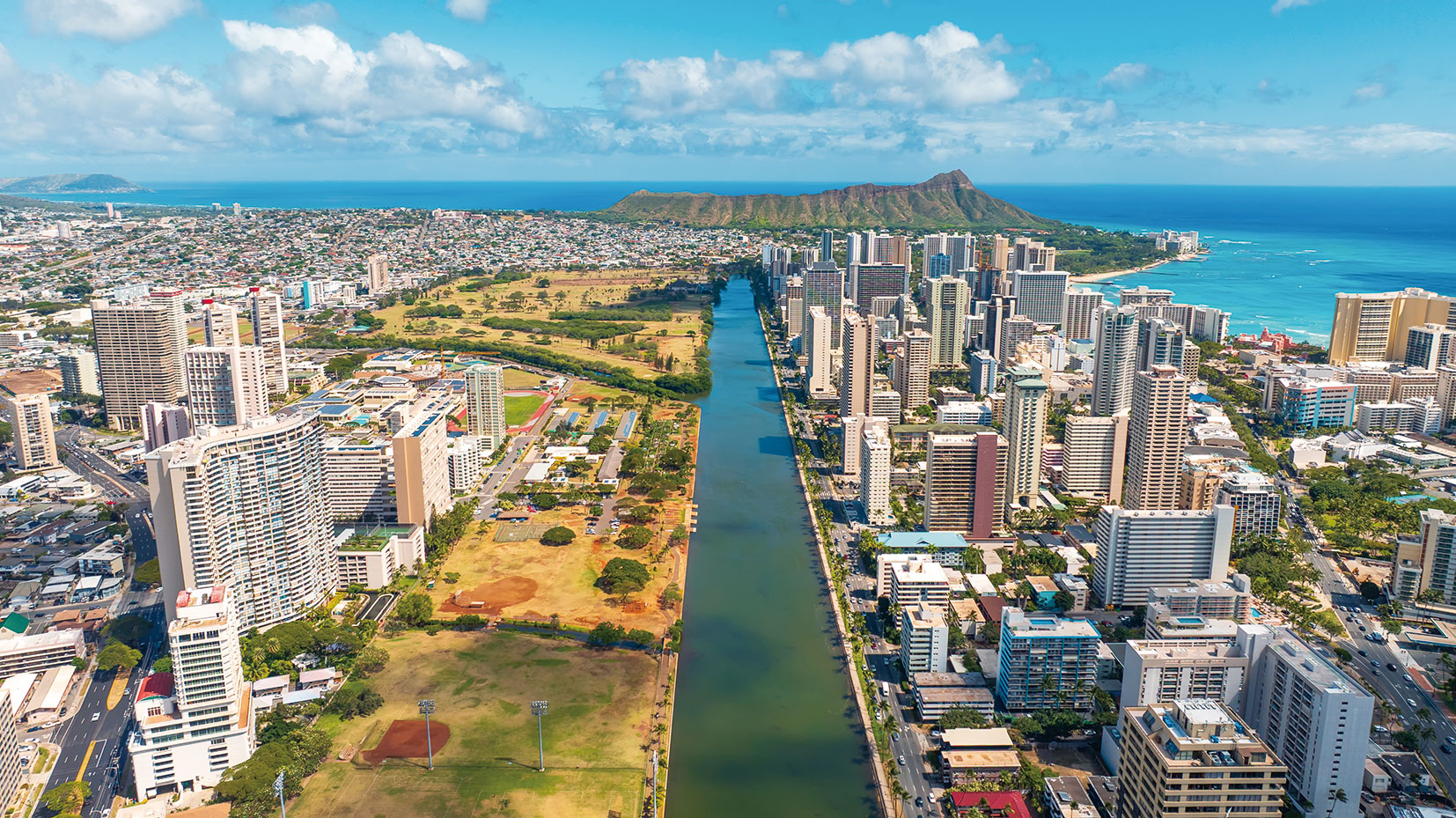
Stagnant water area at the end of the canal. *Photo: Terelyuk/Shutterstock.com
The Ala Wai Canal was originally constructed in the 1920s to prevent flooding in the Waikiki area, which was formerly wetlands. While the canal was designed to connect to the ocean at both ends, the eastern outlet was never completed due to concerns about protecting the tourism environment of Waikiki.
As a result, water circulation became extremely limited, creating stagnant conditions. Over time, rapid urbanization and population growth led to the continuous inflow of domestic runoff and waste from surrounding mountain areas, with no effective outlet.
By 1990, water pollution had reached a critical level, swimming was prohibited, and thick sludge accumulated on the canal bed. Strong odors, reduced water clarity, and the disappearance of aquatic life became long-standing problems for the local community.
The Genki Ala Wai Project applies EM Technology primarily through the use of EM Mudballs (locally called “EM Genki Balls”) and Activated EM・1 (AEM). The project aims to deploy 300,000 Genki Balls by 2026.
EM Mudballs
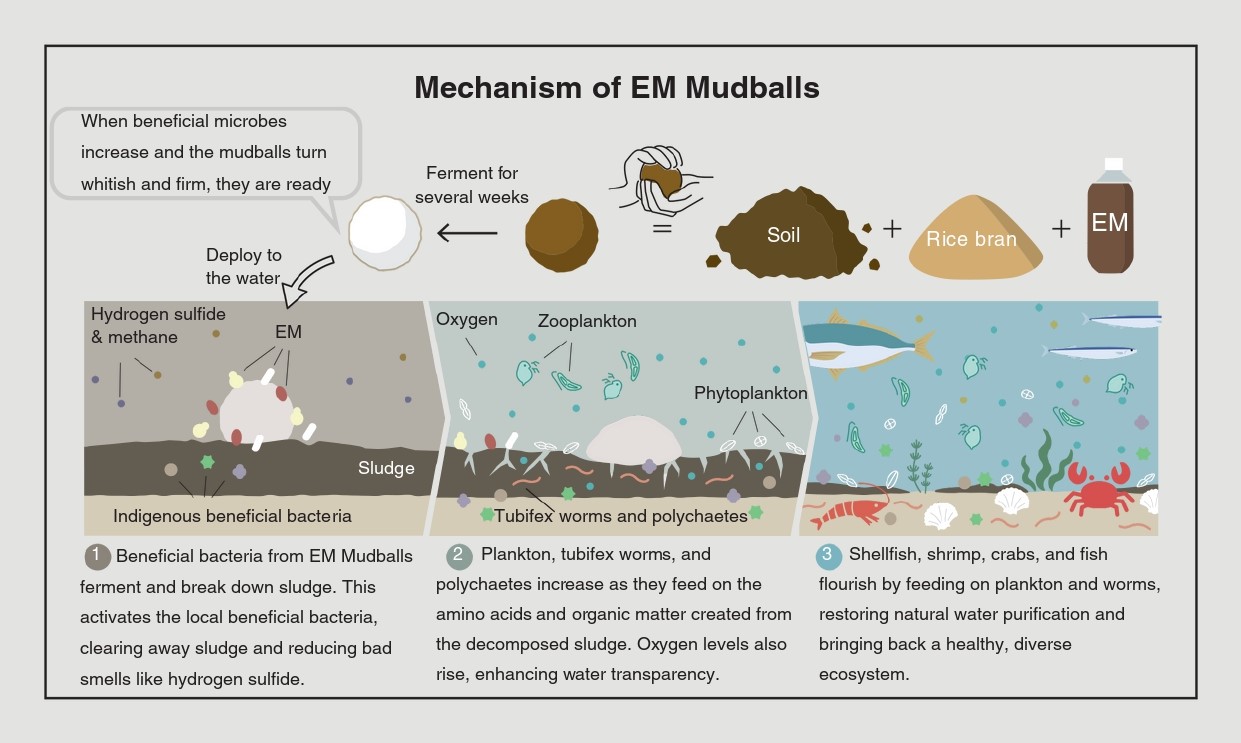
-EM Mudballs are made by mixing soil, rice bran, and AEM, then fermenting them for several weeks until beneficial microorganisms become dominant and the mudballs harden. Once ready, the mudballs are thrown into the canal at designated locations.
Activated EM・1
-The use of the AEM liquid solution was limited to only two approved School toss sites. The permit expired on November 25, 2025, and no AEM liquid solution has been applied since, as the project proceeds with the permit renewal (as of Feb. 2026).
However, after 2 years of showing no negative impacts and only positive results, EM Mudballs are used throughout the Ala Wai Canal and continue to help restore the ecosystem.
Applied Amount
Total: 4,391L (1,160 Gallons) as of Nov. 2025
-Scale of application
Approximately 260,000 EM mudballs were applied to the canal over five years (2019–2024).
-Sludge reduction
Measurements conducted from July 2021 to May 2024 showed that sludge depth decreased from about 60 cm (23.62 in.) to less than 10 cm (3.94 in.) in many areas, equivalent to a reduction to approximately one-sixth of the original volume within one year of EM application.
-Water quality improvement
Odors decreased significantly, and water clarity improved, as confirmed by both project monitoring and third-party laboratory testing.
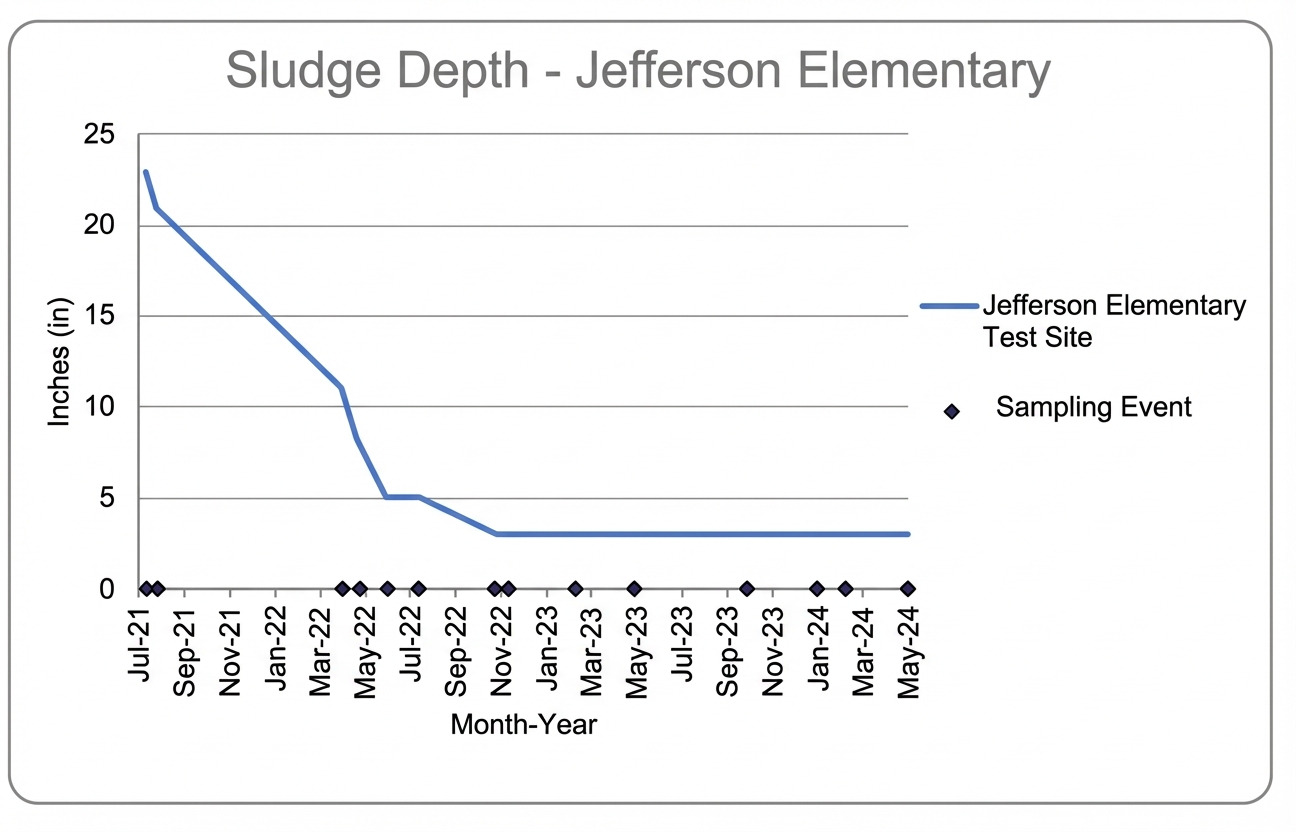
Visible reduction of sludge after EM application
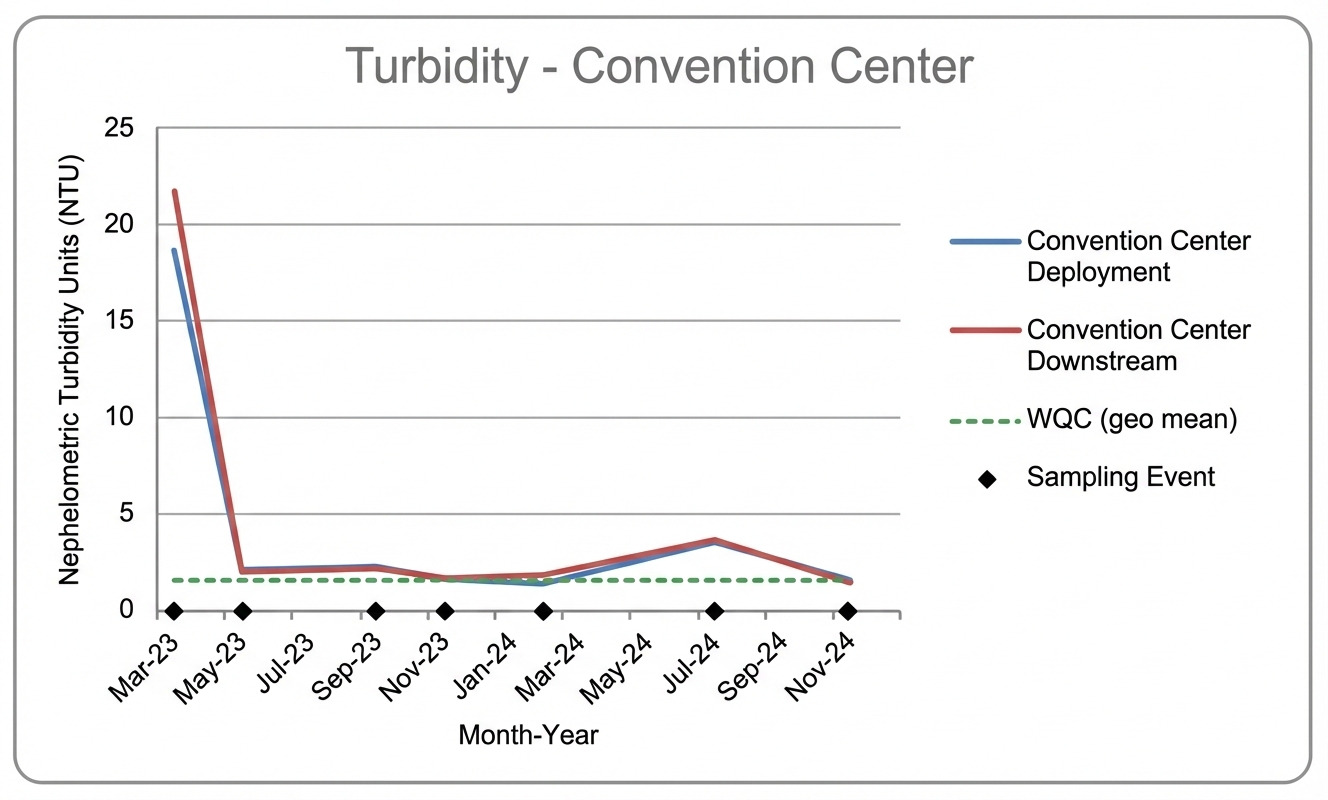
Turbidity levels decreased steadily following EM implementation
-Return of aquatic life
Species observed after the project began include mullet, Pacific threadfin (moi) – locally known as a fish only reserved for Royalty during the Hawaiian Kingdom – as well as ducks, sea turtles, and various water birds. In 2023–2024, manta rays, hammerhead sharks, and Hawaiian monk seals were also recorded in the canal, species not seen there for decades.
-Expansion to tourism facilities
Pilot projects using EM Mudballs were also conducted in lagoon facilities at The Kahala Hotel & Resort, where reductions in organic matter were confirmed without negative effects on dolphins.
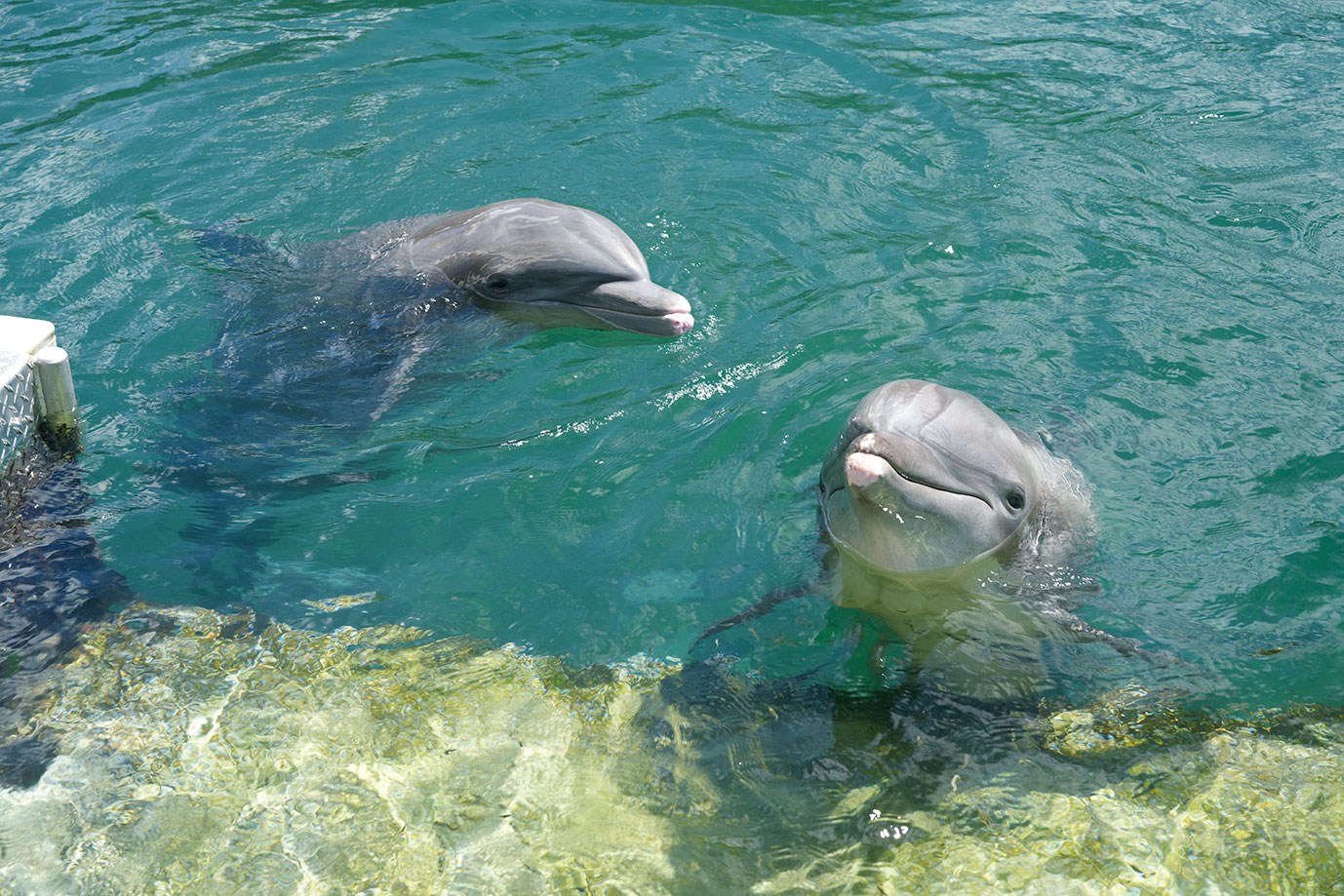
EM Mudball pilot tests were also conducted in the dolphin lagoon at The Kahala Hotel & Resort.
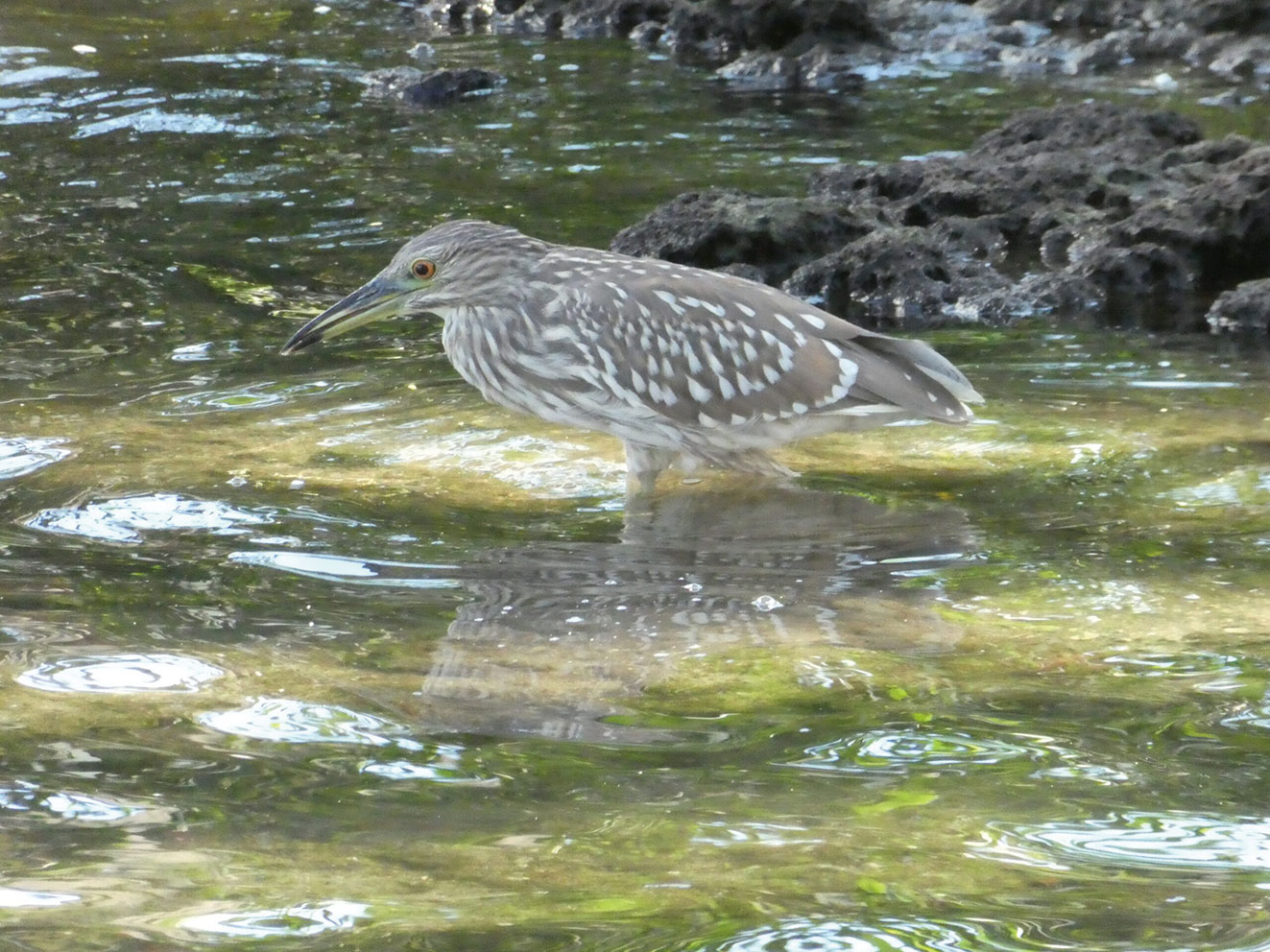
Various birds returned to the canal.
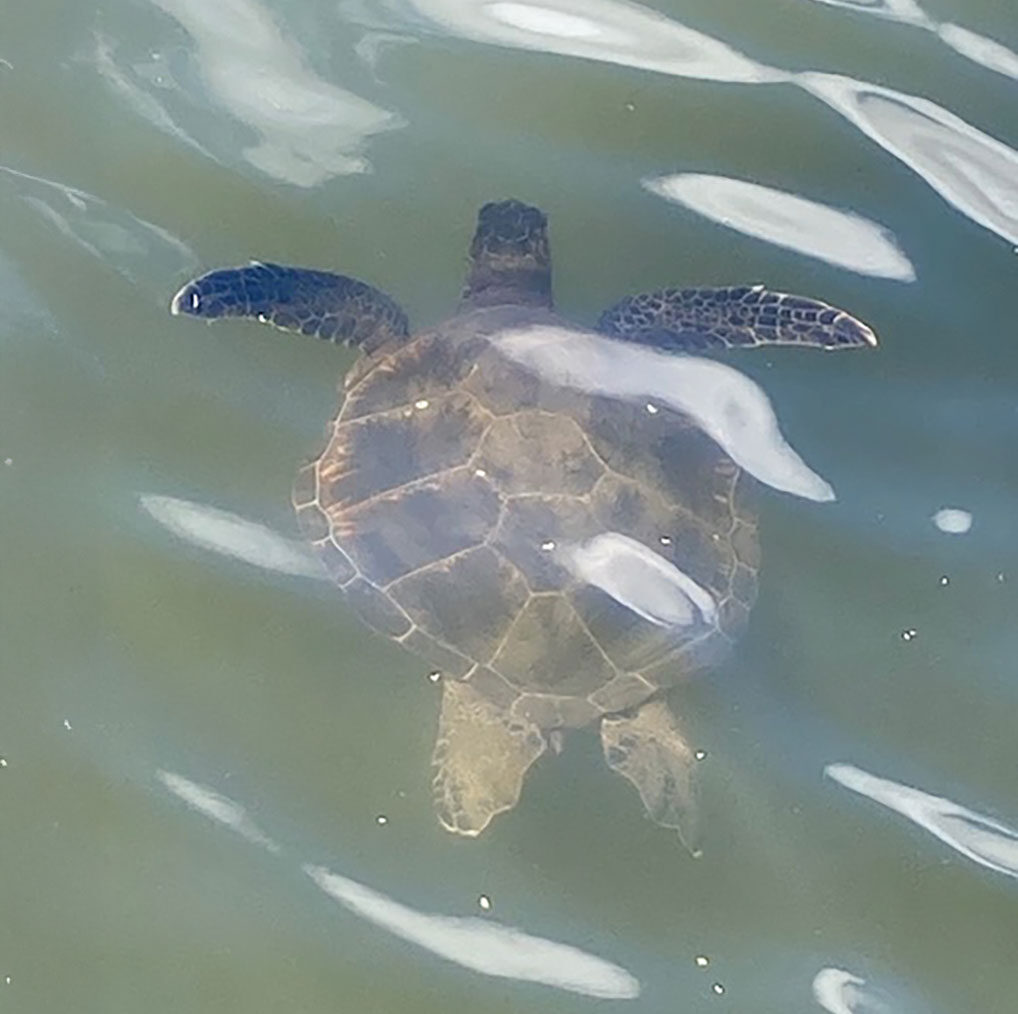
Sea turtles have also been observed in the canal.
-Social impacts
The project has grown into a collaborative platform connecting local residents, schools, hotels, companies, and international visitors. In 2024, EM Hawaii and Okinawa’s Ootori-kai co-hosted the World EM Mudball Day Festival (August 8), linking Japan and Hawaii in real time to simultaneously apply EM Mudballs to rivers and coastal waters. In 2025, participation expanded to more than 10 countries, demonstrating the potential of EM-based environmental restoration as a global, community-driven initiative.
Watch the World EM Mudball Day Festival 2025 video here.
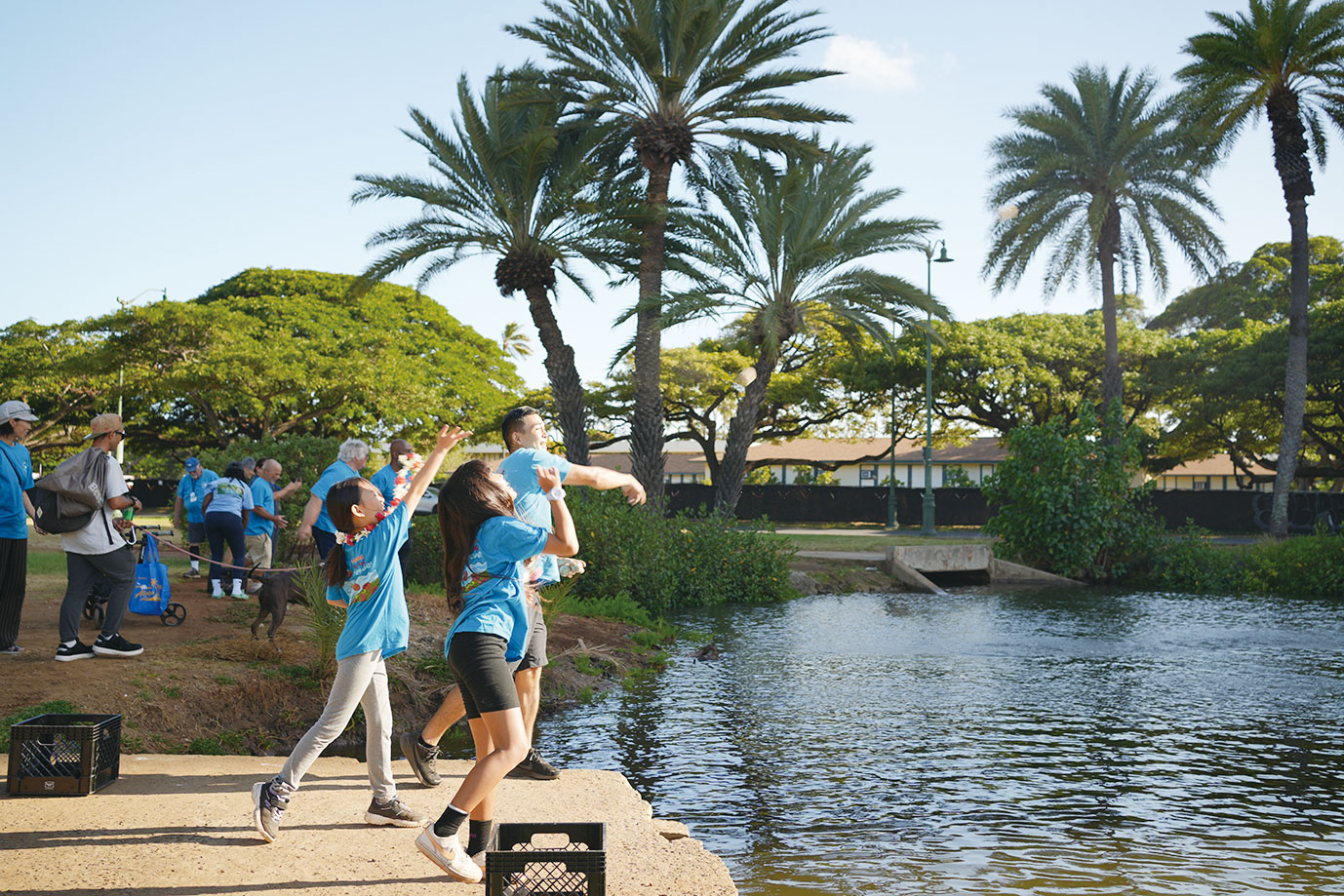
Hundreds of volunteers participate in the Genki Ala Wai Project.
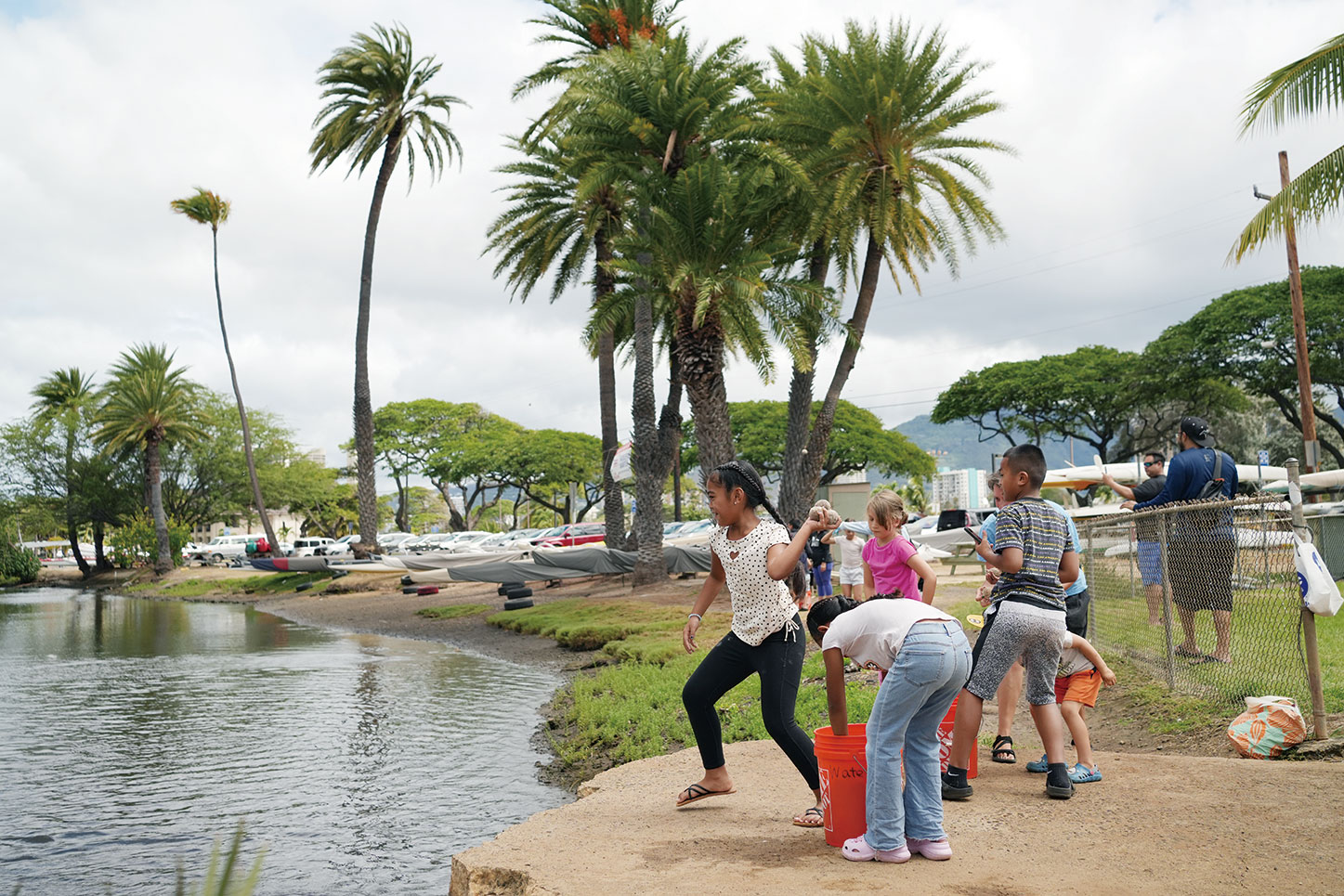
Working together to restore the canal and its ecosystem.
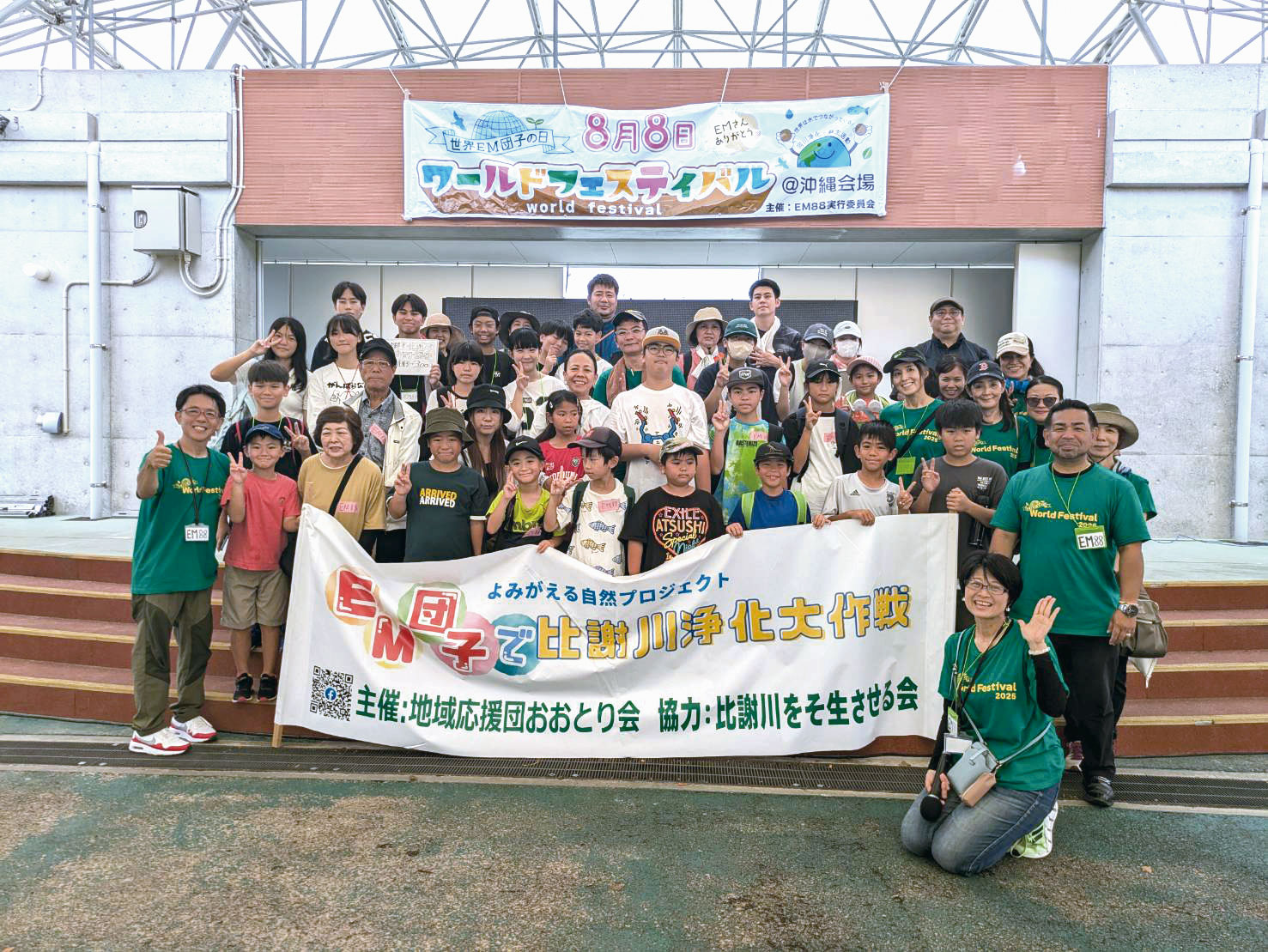
World EM Mudball Day Festival participants in Okinawa.
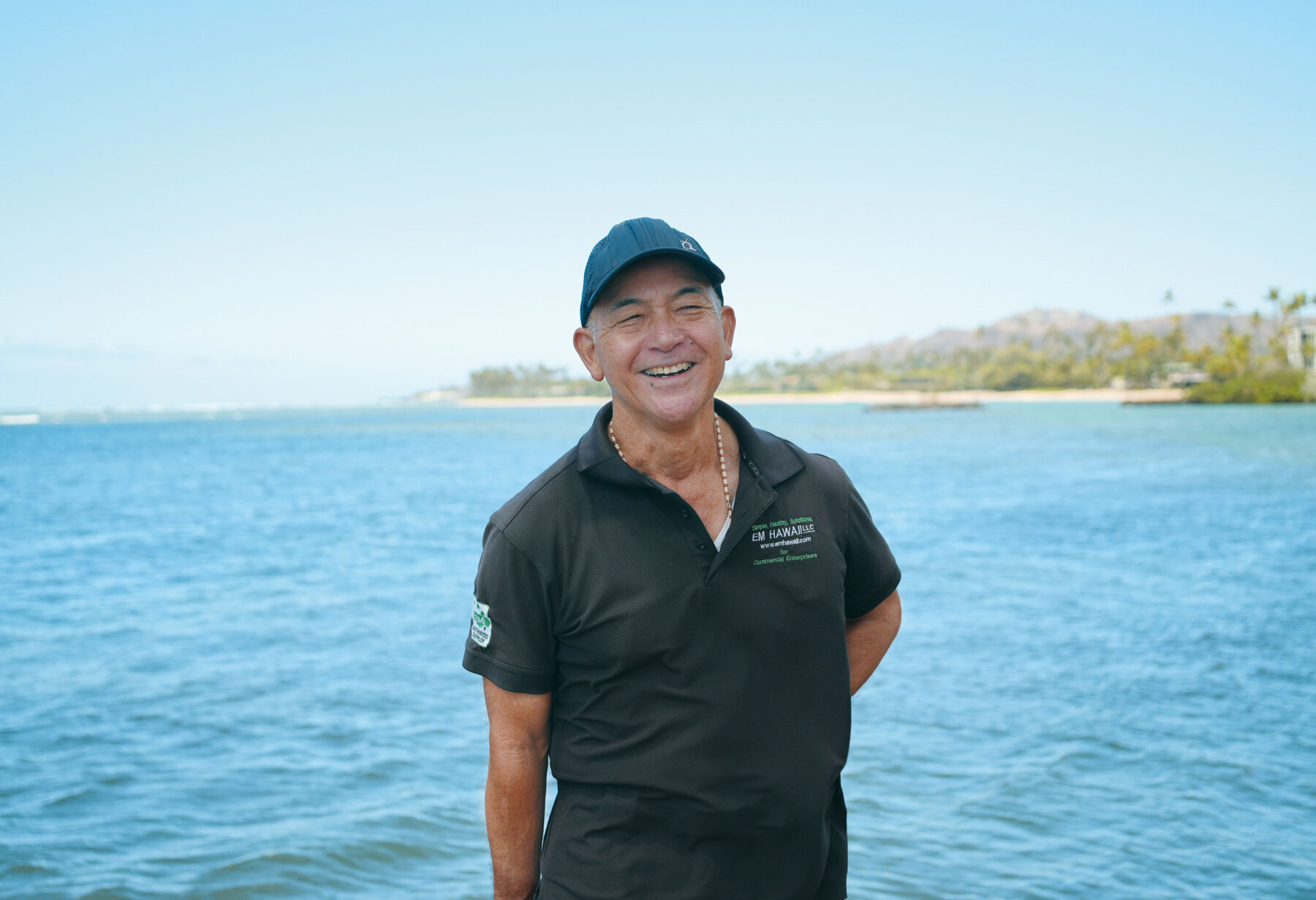
Hiromichi Nago
President, EM Hawaii
Technical Lead, Genki Ala Wai Project
Hiromichi Nago has promoted EM technology in Hawaii for over 20 years. Inspired by his parents’ natural farming and Prof. Teruo Higa’s book, An Earth Saving Revolution, he made environmental restoration his life’s mission. Since 2019, he has overseen the deployment of hundreds of thousands of “EM Genki Balls” into the Ala Wai Canal, leading to significant sludge reduction and the return of marine life.
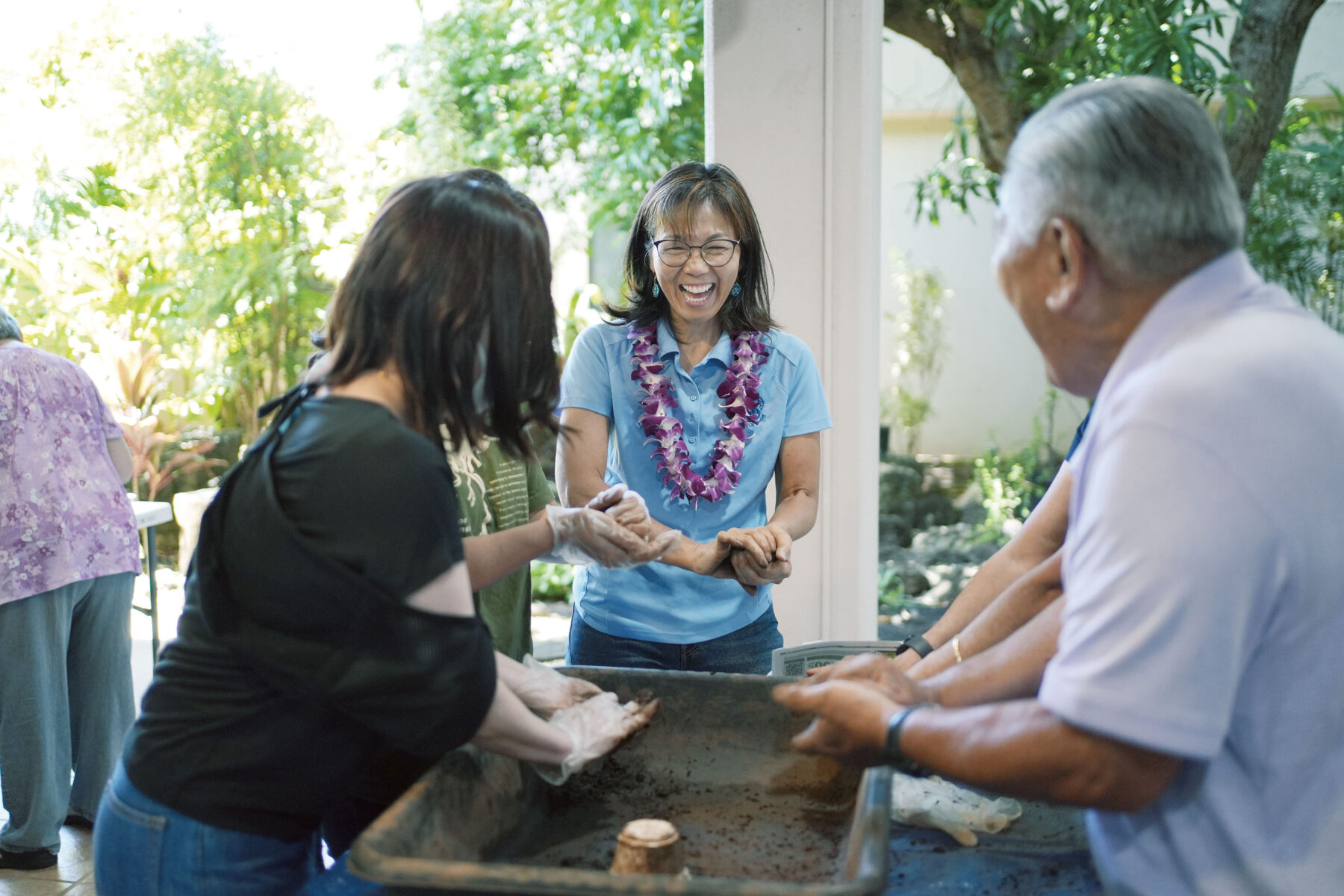
Chikako Nago
Team member, EM Hawaii and Genki Ala Wai Project
The wife of Hiromichi Nago, Chikako is a former airline and media professional who provides the project’s cultural context. She explains that, inspired by the Osaka City Fisheries Cooperative’s ‘Genki-dama,’ they adopted the name ‘EM Genki Balls’ for their outreach in Hawaii. Originally from Okinawa, she promotes the project as a form of “Universal Design”, ensuring environmental restoration is inclusive for all ages. She serves coordinating volunteers of all ages with nursing homes, schools and organizations to grow the movement through community participation.
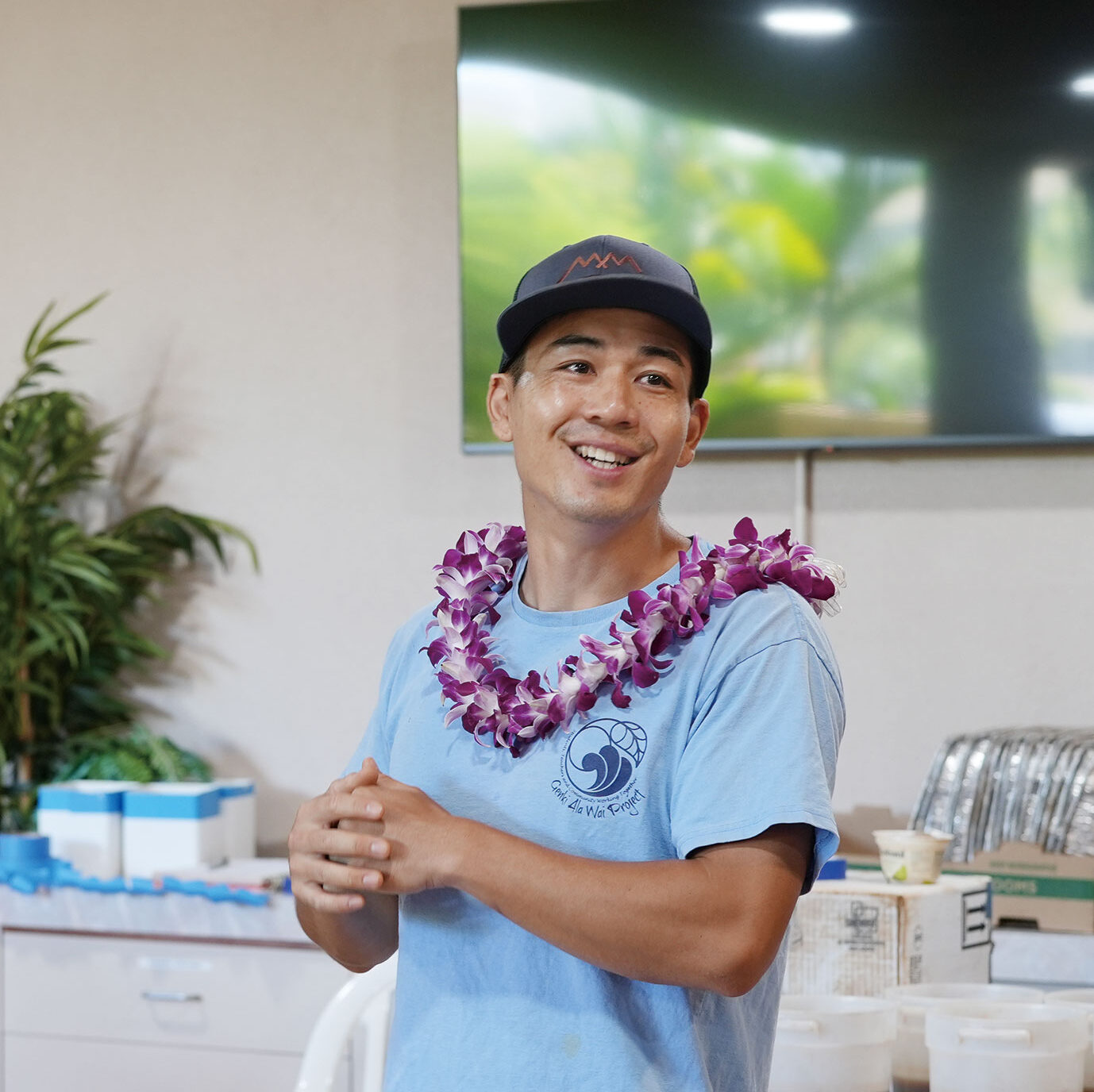
Kouri Nago
Social Media Coordinator
The son of Hiromichi and Chikako Nago, Kouri draws on his professional background at The Ritz-Carlton Residences, Waikiki Beach to serve as a strategic bridge between the luxury hospitality sector and local conservation. He manages the project’s digital presence and coordinates new corporate partnerships, ensuring the movement remains modern and visible.
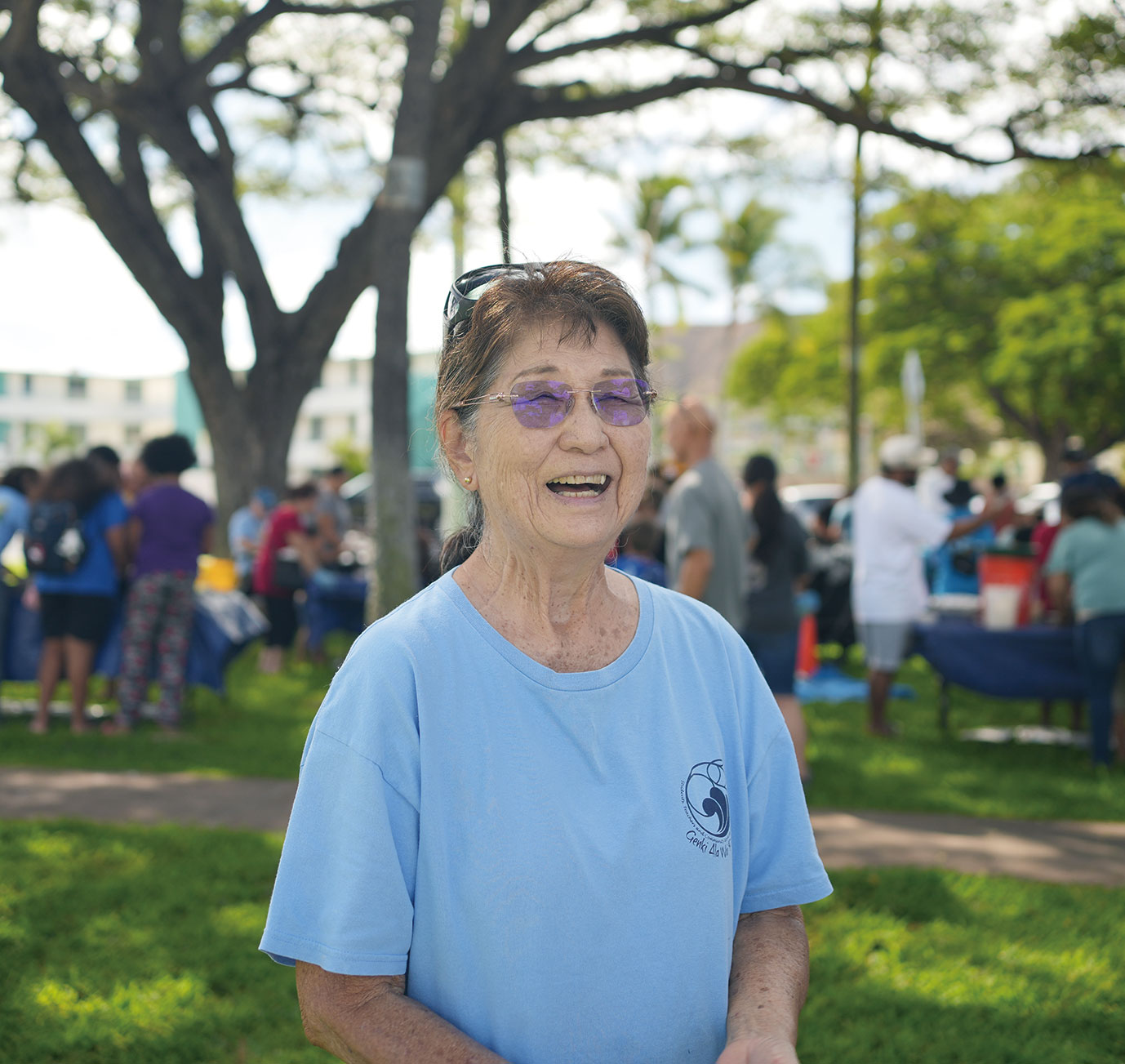
Mary Ann Kobayashi
Co-Founder & Educational Coordinator
A co-founder of the Genki Ala Wai Project, Mary Ann brings over 40 years of experience as a Department of Education science curriculum resource teacher. She leverages her deep professional credibility to lead the project’s educational outreach, partnering with over 40 schools to teach the benefits of EM Technology. By aligning workshops to each school’s unique needs, Mary Ann empowers teachers and students to lead the way in Hawaii’s environmental restoration.
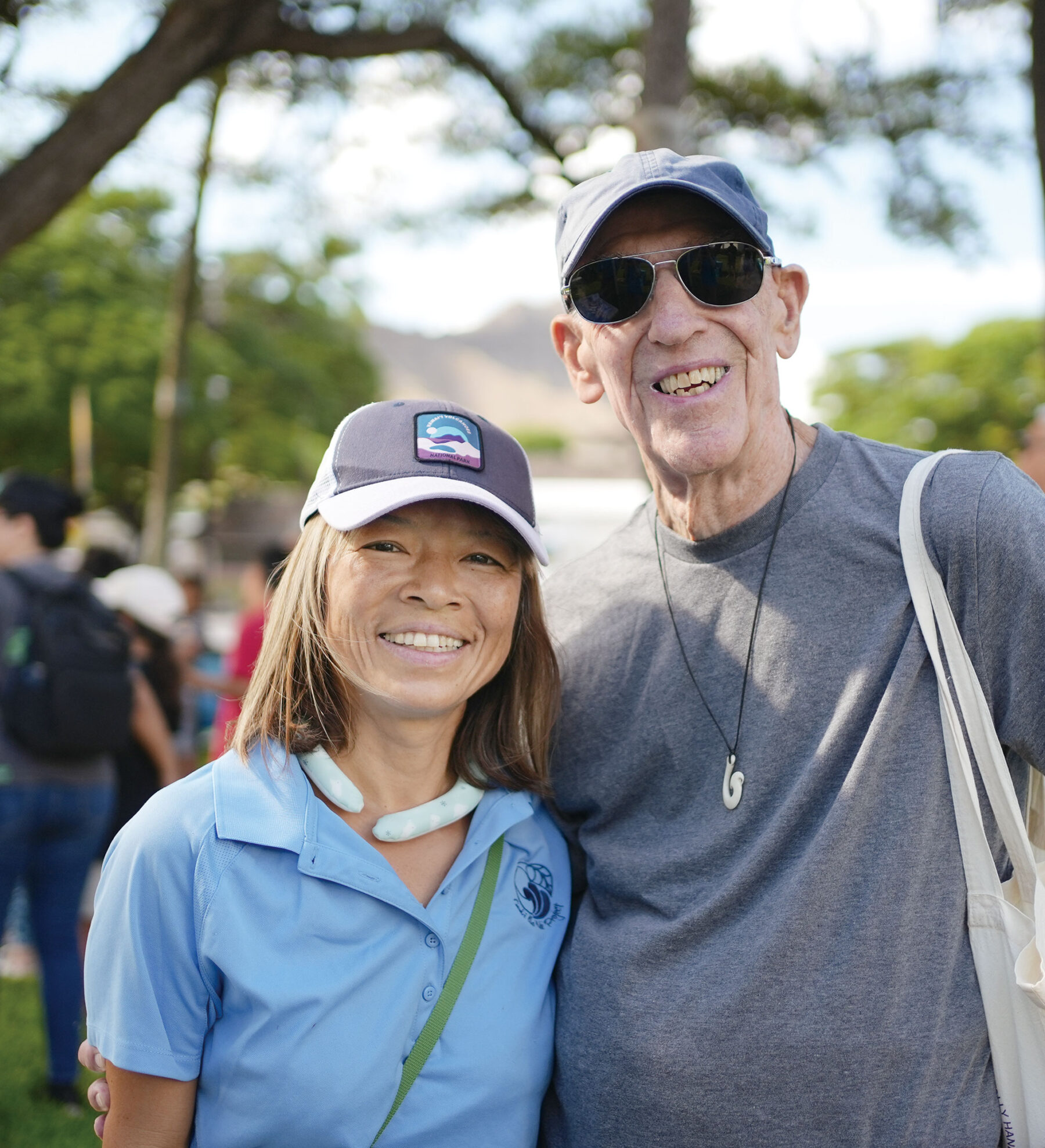
Fumiko Sato Chun
Community & Media Liaison
A media veteran who manages the project’s public relations and community outreach. Her expertise has secured widespread coverage across TV and newspapers, helping transform the movement into a household name in Hawaii.
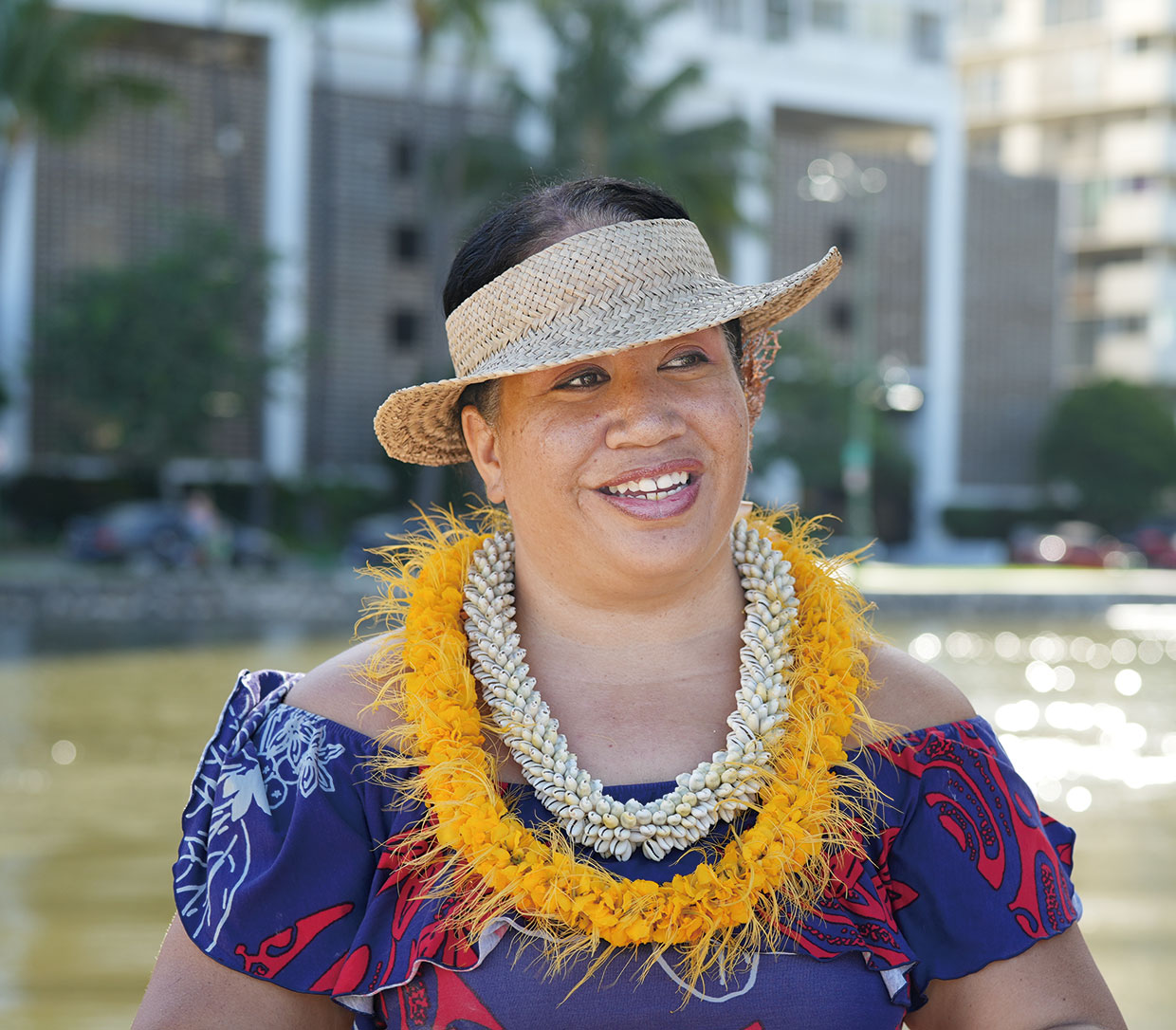
Pualeilani Kamahoahoa
Native Hawaiian Cultural Practitioner
Kumu Pua is a respected cultural practitioner who ensures the Genki Ala Wai Project remains rooted in the Spirit of Aloha. She provides vital guidance on Kuleana (Responsibility) to protect the Aina (land) and Wai (water), leading spiritual ceremonies and water blessings for World EM Mudball Day and various other ceremonies.
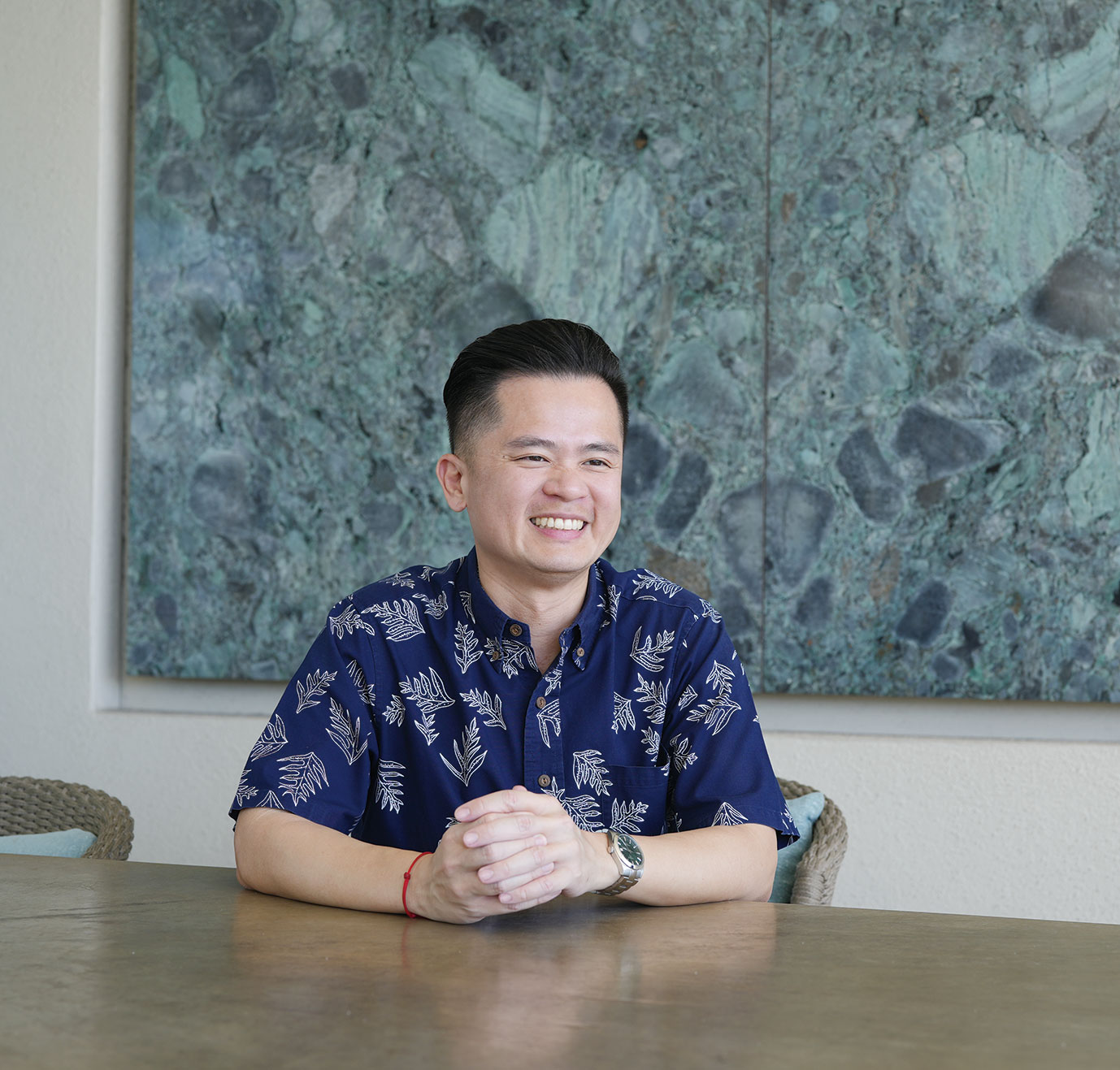
The Ritz-Carlton Residences, Waikiki Beach
The Ritz-Carlton Residences Waikiki Beach offers EM Genki Ball making as an experiential program for guests and staff. Director of Marketing Communications Huy Vo describes the Genki Ala Wai Project as a rare effort where “human action restores nature,” and says that participating with the wish that “the Ala Wai Canal will be even cleaner when I return” creates a deeply memorable experience. The project reflects the hotel’s commitment to education, the environment, and the local economy.
*Watch their initiative here
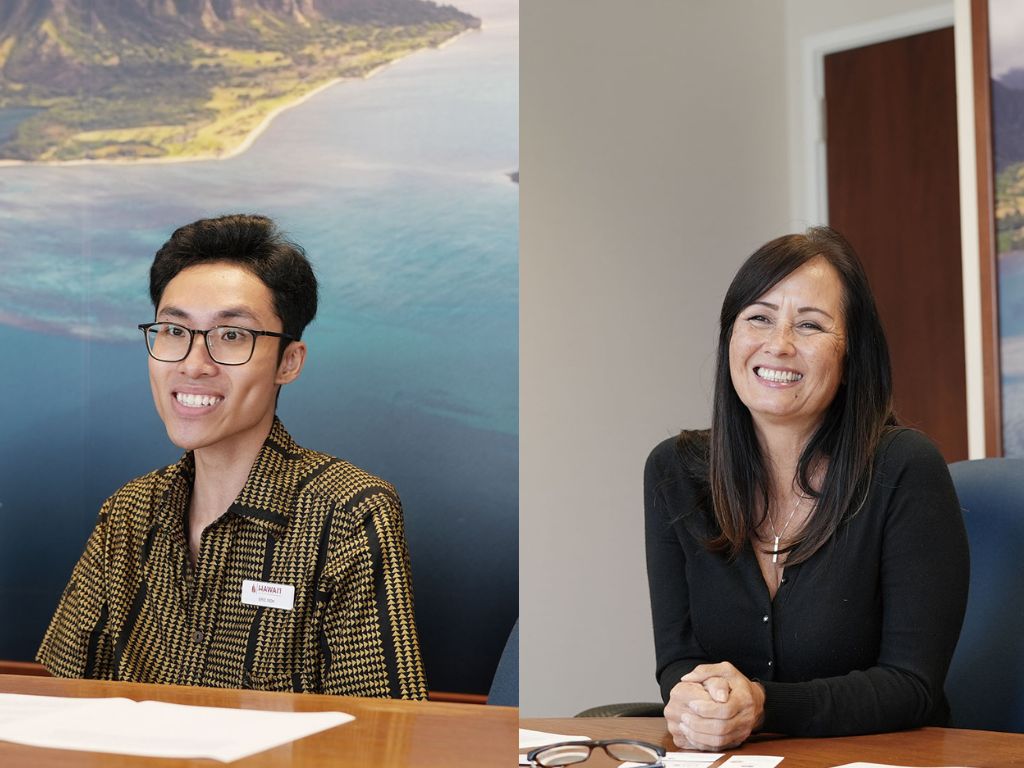
Hawaii Visitors & Convention Bureau (HVCB)
Karen Wataru Nakaoka and Eric Mok describe the project as a premier example of regenerative tourism. They say: “The Genki Ala Wai Project is a model of regenerative tourism, where tourism becomes a mutually beneficial relationship between places and people. We introduce the project to major events—such as the Pokémon World Championships 2024—inviting visitors to make EM Genki Balls and become a positive influence on the local community and the natural environment, helping restore the Ala Wai Canal.”
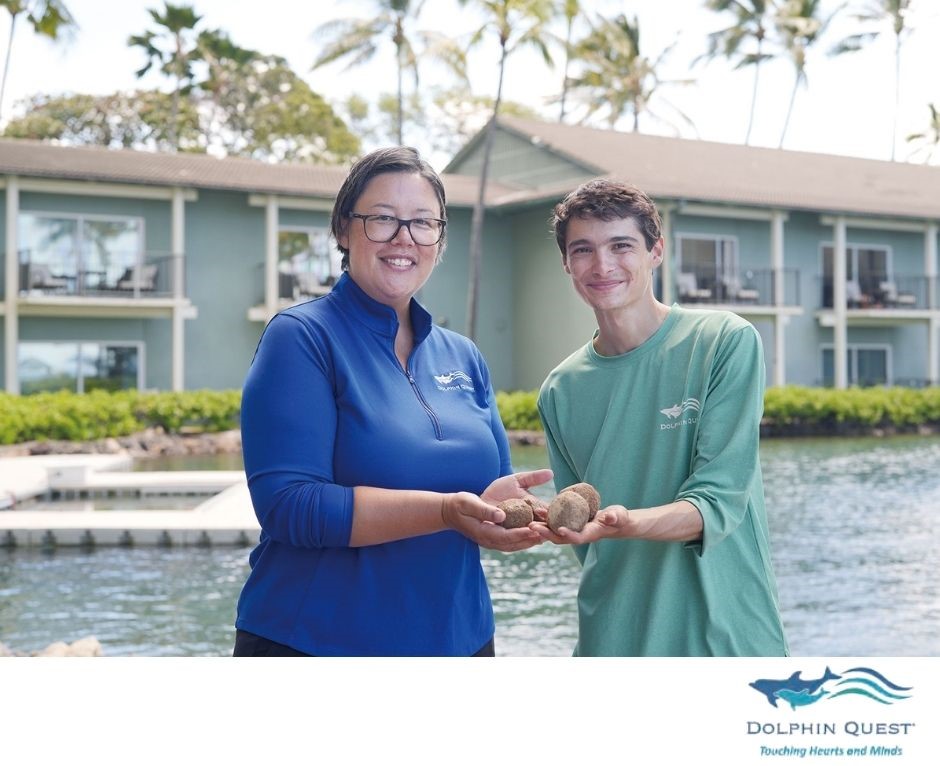
Dolphin Quest Oahu
Led by Jade Haughian, General Manager, and Ryan Laguercia, Assistant Marine Mammal Specialist, the team at Dolphin Quest Oahu shares: “Dolphin health is our highest priority. In our ocean-fed lagoon, located at The Kahala Hotel & Resort, we use no chemicals. After introducing EM Genki Balls in 2025, we observed reduced organic buildup with no negative impact on the dolphins. Based on these positive results, we plan to continue and expand their use.”
For further information, please contact:
EM Hawaii LLC
560 N. Nimitz Hwy #217A
Honolulu, HI 96817
Email: info@emhawaii.com
Website: www.emhawaii.com
Instagram: www.instagram.com/em.hawaii.llc
2026.2.4 Updated

EM Research Organization, Inc.|
All Rights Reserved. 2025 © EM Research Organization