Have you ever heard about a Monastery in Okinawa, Japan? The building has been recently renovated by applying EM ceramics to house materials such as walls and tatami sheet. The ceramics are used to prevent sick-house syndrome. In addition, EM Technologies are applied for gardening, home-cleaning, and recycling the organic matters at the Monastery.
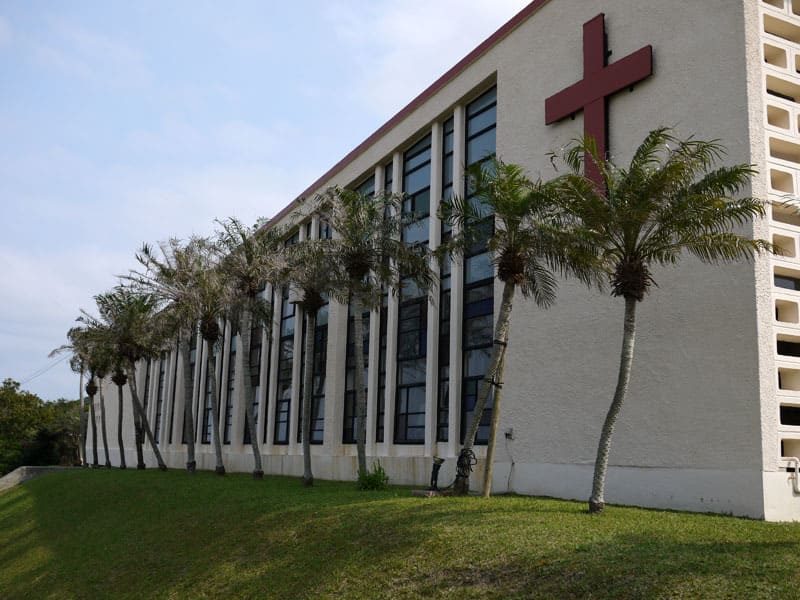
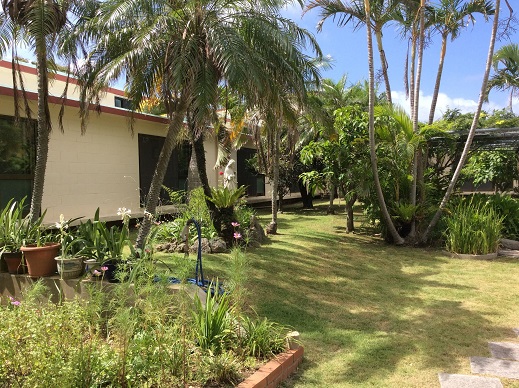
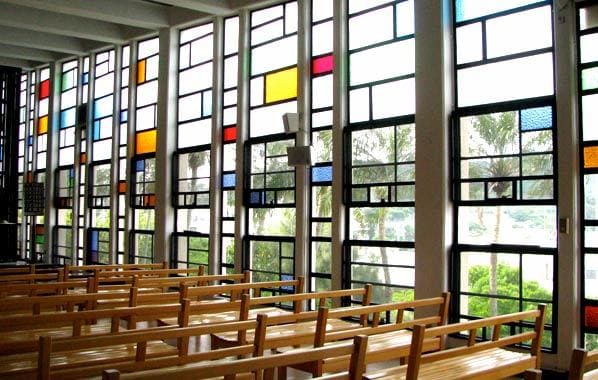
Located in Yonabaru town, Southern Okinawa, the Yonabaru monastery was built in 1958 by design of the famous architect, Mr. Ken Kataoka originally from Kyoto.
In 2003 the international organization of Modern Japanese Architecture DOCOMOMO Japan selected this monastery as one of the 100 relevant buildings and it is the only one selected from Okinawa. In 2009 it was renovated using EM in construction materials aiming to control degradation of concrete rebar and prevent sick building syndrome.
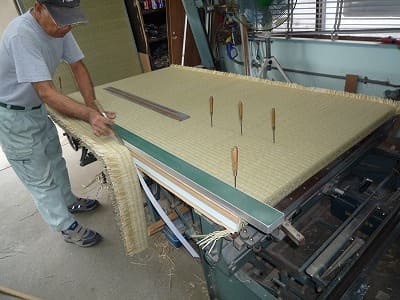
EM was applied in materials such as mortar, paint, waterproofing, wall coating and adhesive agents. Furthermore, EM sheet was used inside the tatami.
Strengths of the building was proved on February 27, 2010 when a big earthquake of magnitude 6.9 (Japanese seismic scale 5) hit near Okinawa and no cracks nor damaged were found throughout the building.
The sisters and members living in the monastery also use EM in daily life such as Activated EM・1, EM Bokashi, EM Fermented Plant Extract (FPE), and also make their own made EM soap recycling the waste kitchen oil. Their hand-made EM soap is considered as less smelly and high quality soap.
2015.8.5 Updated

EM Research Organization, Inc.|
All Rights Reserved. 2025 © EM Research Organization