Uruma City Library in Okinawa operates has used an EM-based wastewater recycling system since 1991 to improve water quality while reducing sludge, energy use, and costs.
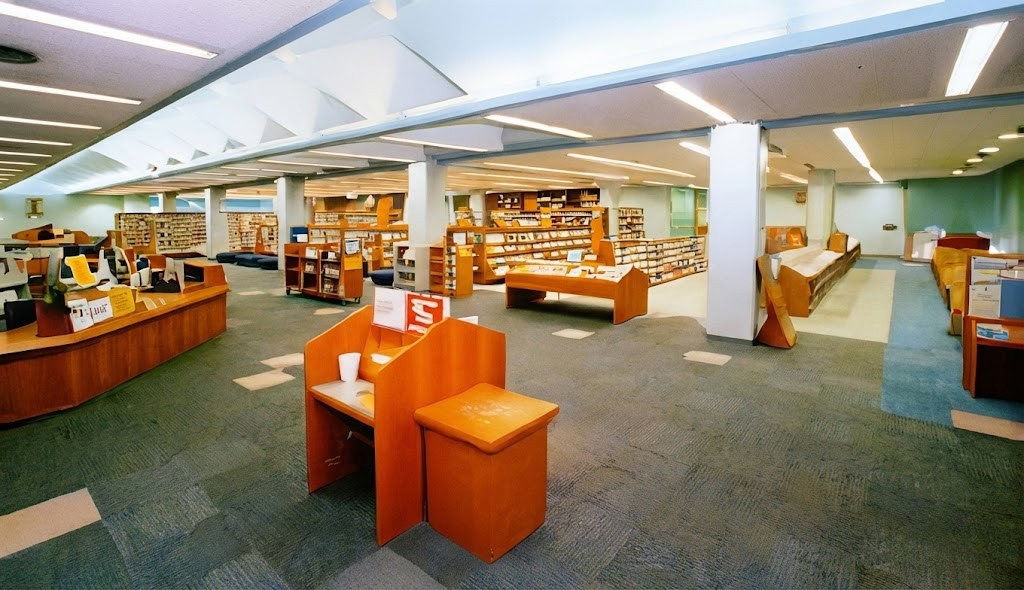
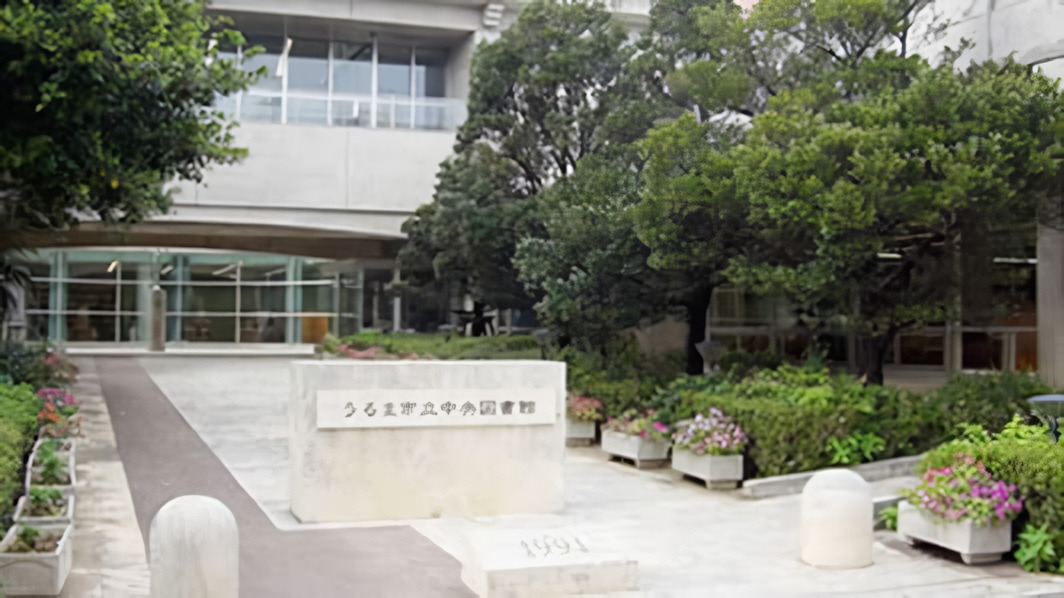
Uruma City Library is a public library system in Uruma, Okinawa, with three branches serving the local community through book lending, digital resources, and cultural programs. Since 1991, it has operated an EM-based wastewater purification system that recycles toilet and drainage water for irrigation and cleaning, improving water quality while reducing sludge, energy consumption, and operating costs.
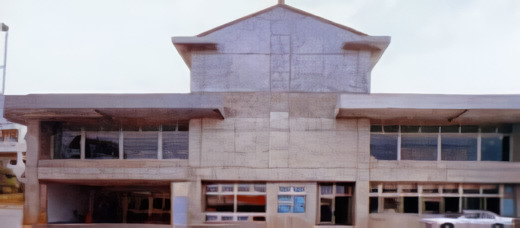
EM Based System
The system is a conventional combined septic tank with a long aeration process using activated sludge. After EM-1 is added to the septic tank, the treated water is filtered through a sand filter and then stored in a storage tank. It is subsequently pumped to an elevated tank and reused for irrigation (excluding drinking water). All wastewater from toilets, including hand-washing and drainage water, is treated and recycled using EM technology.
Difference from Conventional Systems
In conventional activated sludge treatment, aerobic bacteria play the main role, requiring a continuous supply of dissolved oxygen and long-term aeration. In contrast, EM treatment relies primarily on anaerobic bacteria, making the process much simpler, as it only requires the addition of EM and does not need specialized equipment.
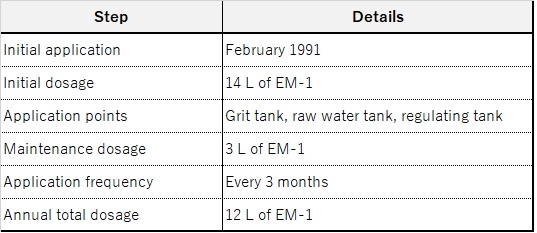
In February 1991, 14 liters of EM・1 were initially added directly to the grit tank, raw water tank, and regulating tank. After the initial application, 3 liters of EM・1 were added every three months, for a total annual dosage of 12 liters.
– Reduction of sludge
The space velocity in the aeration tank is approximately of 5%
– Water quality
Influent quality control standard is: BOD 20ppm and SS (suspended substances) 50ppm.
However, the test results were BOD 3.9ppm and SS 1.8ppm.
Almost no coli forms were detected and the EM control effect on coli forms was clearly proved.
Figure 1 Comparison within Tap Water and EM treated water (sampled 14 May, 1991)
| Tap water | EM treated water | EM treated+sand filtration water | |
| Sampled Time | 10:55 | 11:00 | 11:00 |
| pH | 7.0 | 7.2 | 7.3 |
| SS (mg/1) | 84.0 | 1.8 | <1.0 |
| BOD (mg/1) | 80.0 | 3.9 | 1.6 |
– Elimination of Nitrogen and phosphorus:
More than 75% of Nitrogen ansd phosphorus are eliminated during the EM treatment.
It is estimated that EM decomposes the organic matter meanwhile the nitrogen is eliminated into the air and the phosphorus is incorporated into the microbes.
Figure 2 (Unit: mg/L)
| Sampled Date | T - N | T – P | ||
| Tap water | Effluent water | Tap water | Effluent water | |
| November 1991 | 67.0 | 19.5 | 8.25 | 2.00 |
| April 1994 | 64.0 | 8.2 | 3.95 | 1.01 |
– Running cost
Cost of 12L of EM applied is approximately of 30,000 yen.
The electric bill down to 1/12 of the cost that will be incurred with a 24 hours aeration time.
The aeration motor’s lifetime will last longer.
– Safety
The EM treated water has almost no coli forms so that is safe to be used in irrigation or draining. Amino acids and organic acids produced during the EM decomposing process have antioxidant effect that helps to prevent degradation of metal structures and consequently maintain the equipment in perfect condition for a long term.
No particular upgrade was needed in the EM septic tank, therefore the total cost was limited to construction expenses for setting pipes and the pomp.
– Use of EM Treated Water
EM contributes to saving water by making a good recycling of sewage water.
EM treated water is used for irrigation except drink water and hand-wash water.
Toilets are easy to clean since EM recycled water helps in reducing molds and helps to easy remove of other matters.
It is also used in watering plants helping their healthy growth.
Since EM treated water helps to prevent rusting, it is also used to cleanup cars and windows.
The carpets of the first and second floors are washed with EM treated water and after drying in shade they are mold-free and removed malodors as well as tick or other harmful insects.

2016.8.3 Updated

EM Research Organization, Inc.|
All Rights Reserved. 2025 © EM Research Organization