EM Sunshine Farm uses EM Technology to grow organic produce and eggs for local stores and the EM Hotel.
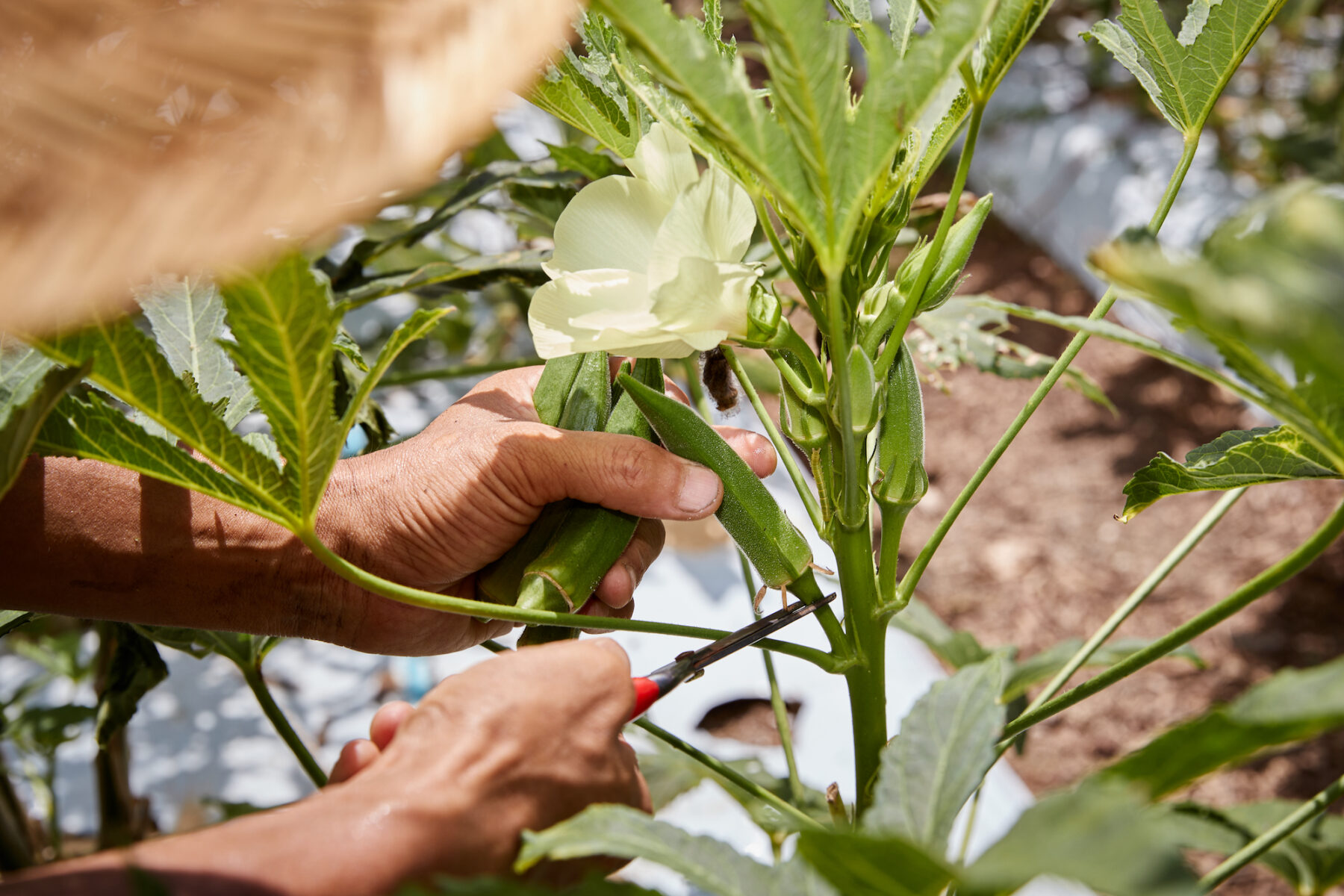
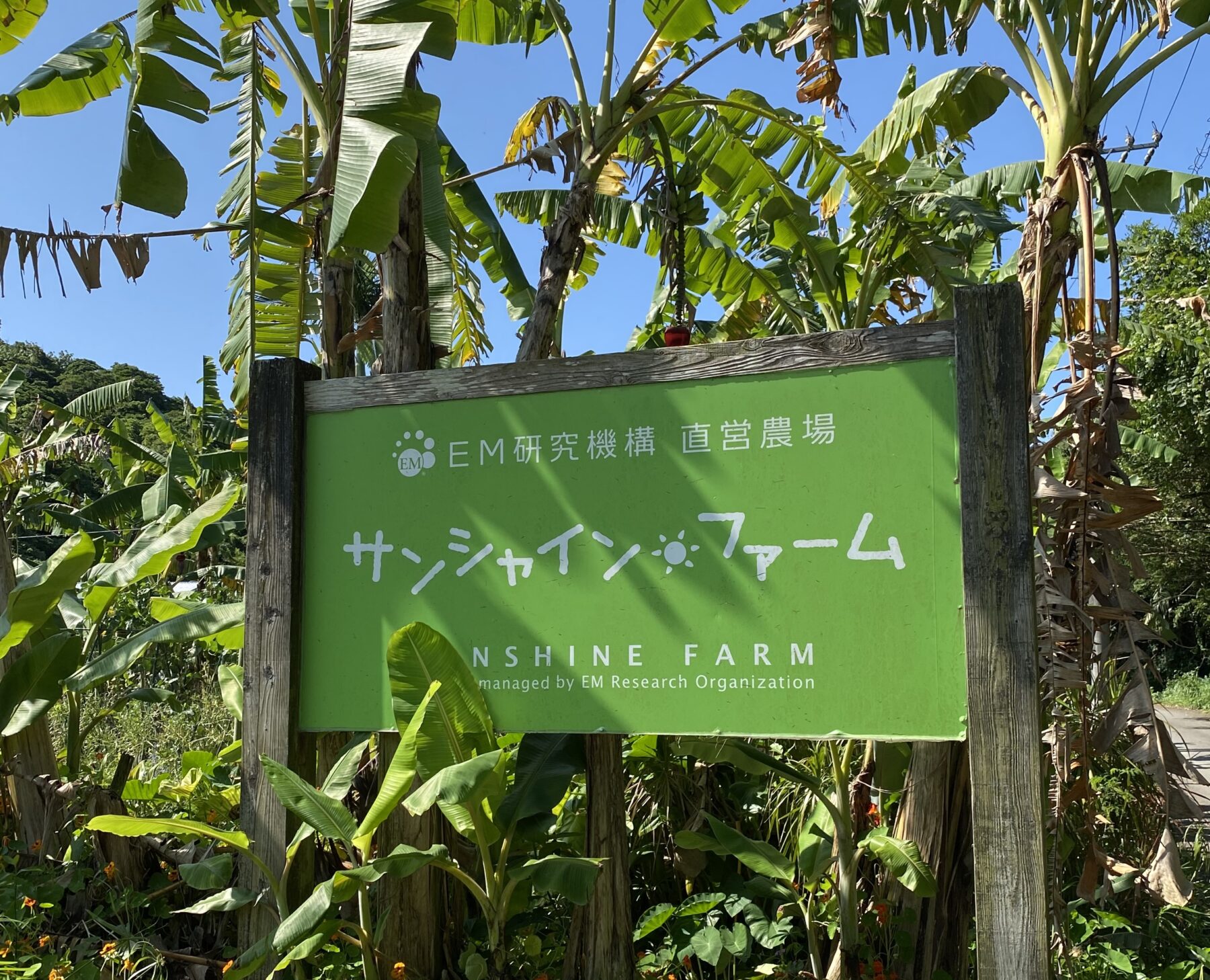
Located in Kitanakagusuku Village, Okinawa Prefecture, Sunshine Farm is committed to sustainable, circular agriculture using the latest EM Technology.
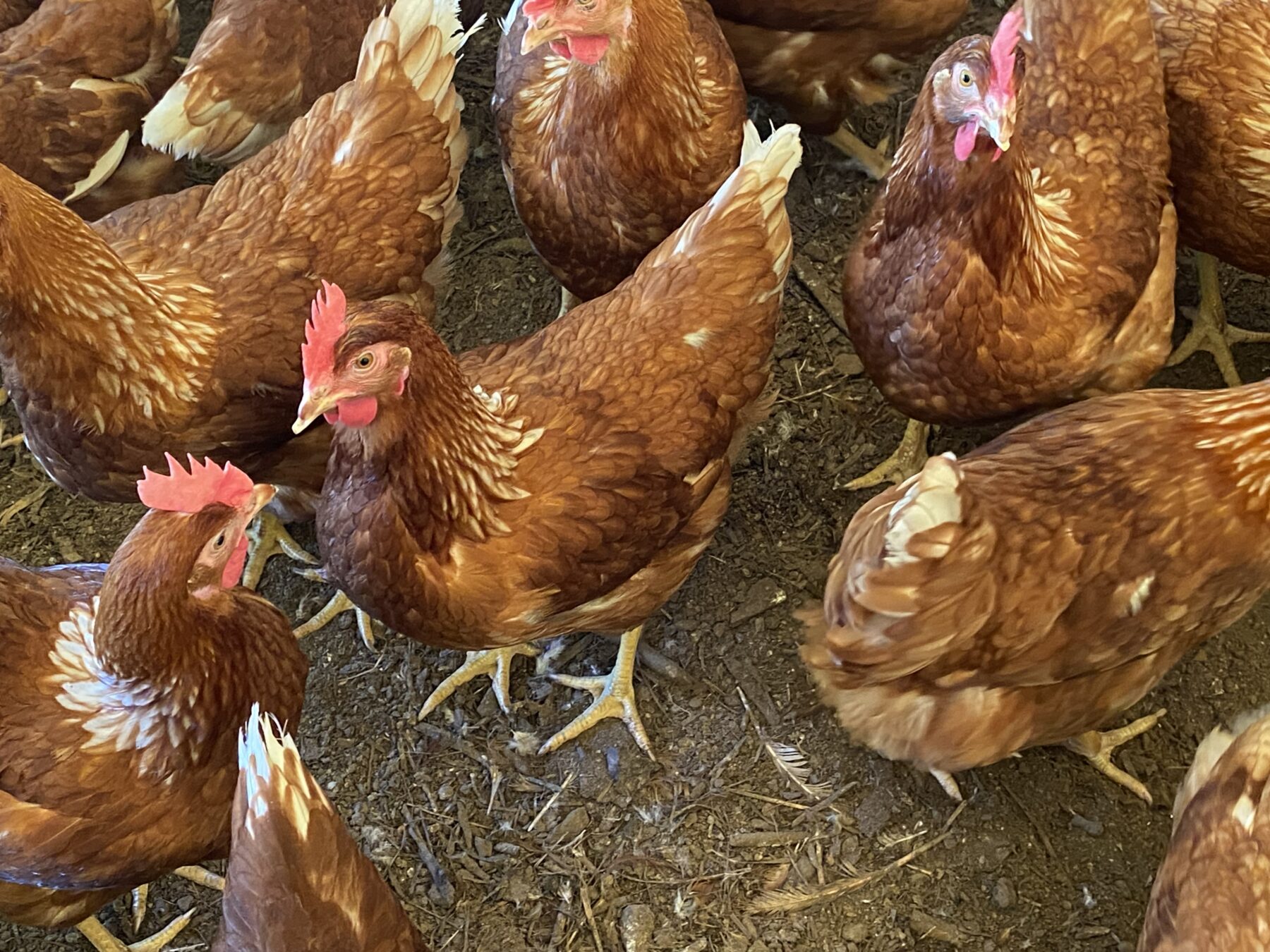
They have transformed previously abandoned agricultural land using EM Technology and now supply fresh organic vegetables and free-range eggs branded “Mana” eggs, to local supermarkets and our EM hotel.
Founded by the EM Research Organization, the farm began as a small pilot project and has grown into a fully operational agricultural business.
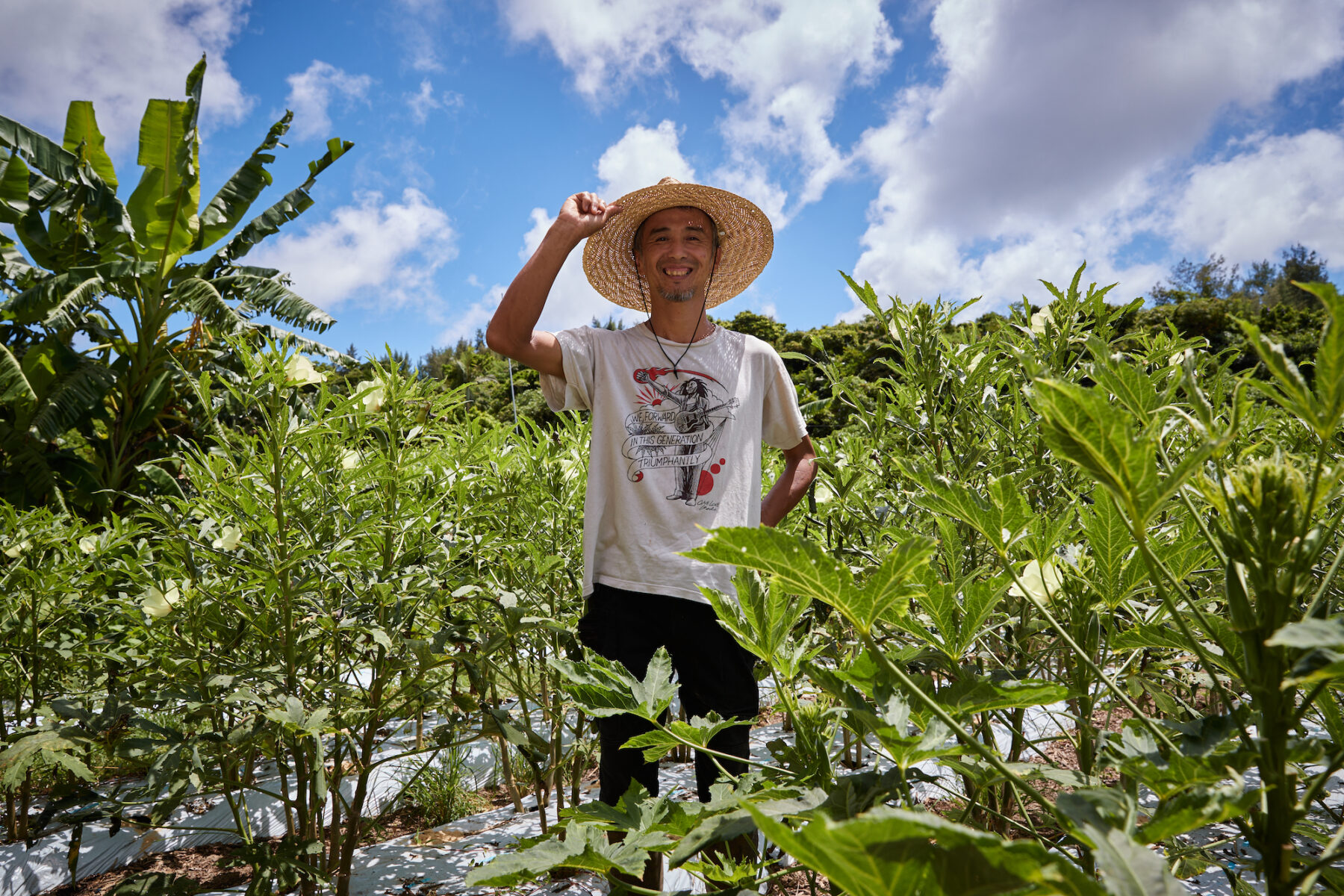
Sunshine Farm sits on “Jargal” soil, Okinawa’s weakly alkaline soil with poor drainage. The valley location causes excess groundwater problems, while the hot, humid climate creates challenges with weed control, sun exposure, and nutrient retention. Their EM strategies addresses these issues by:
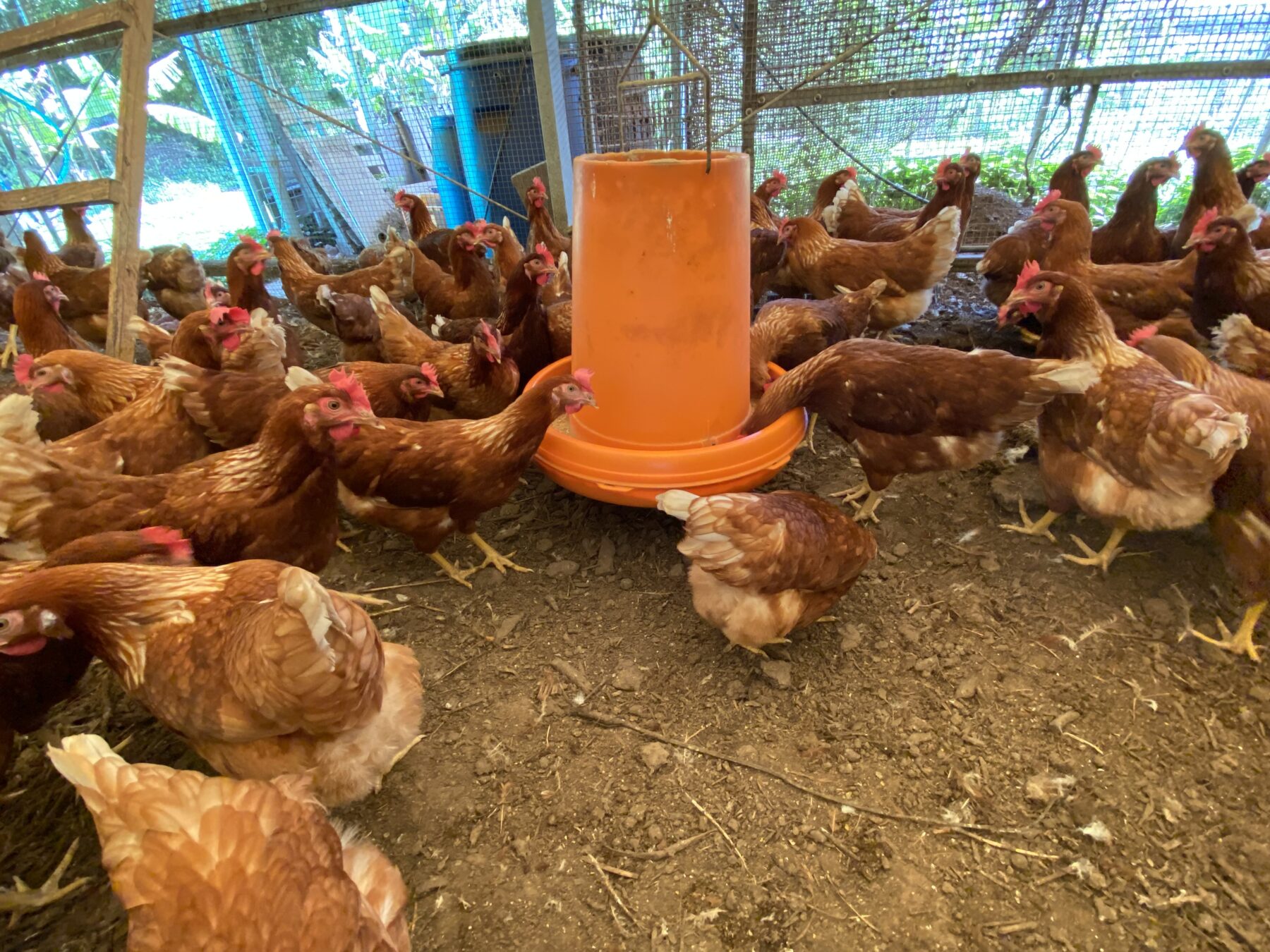
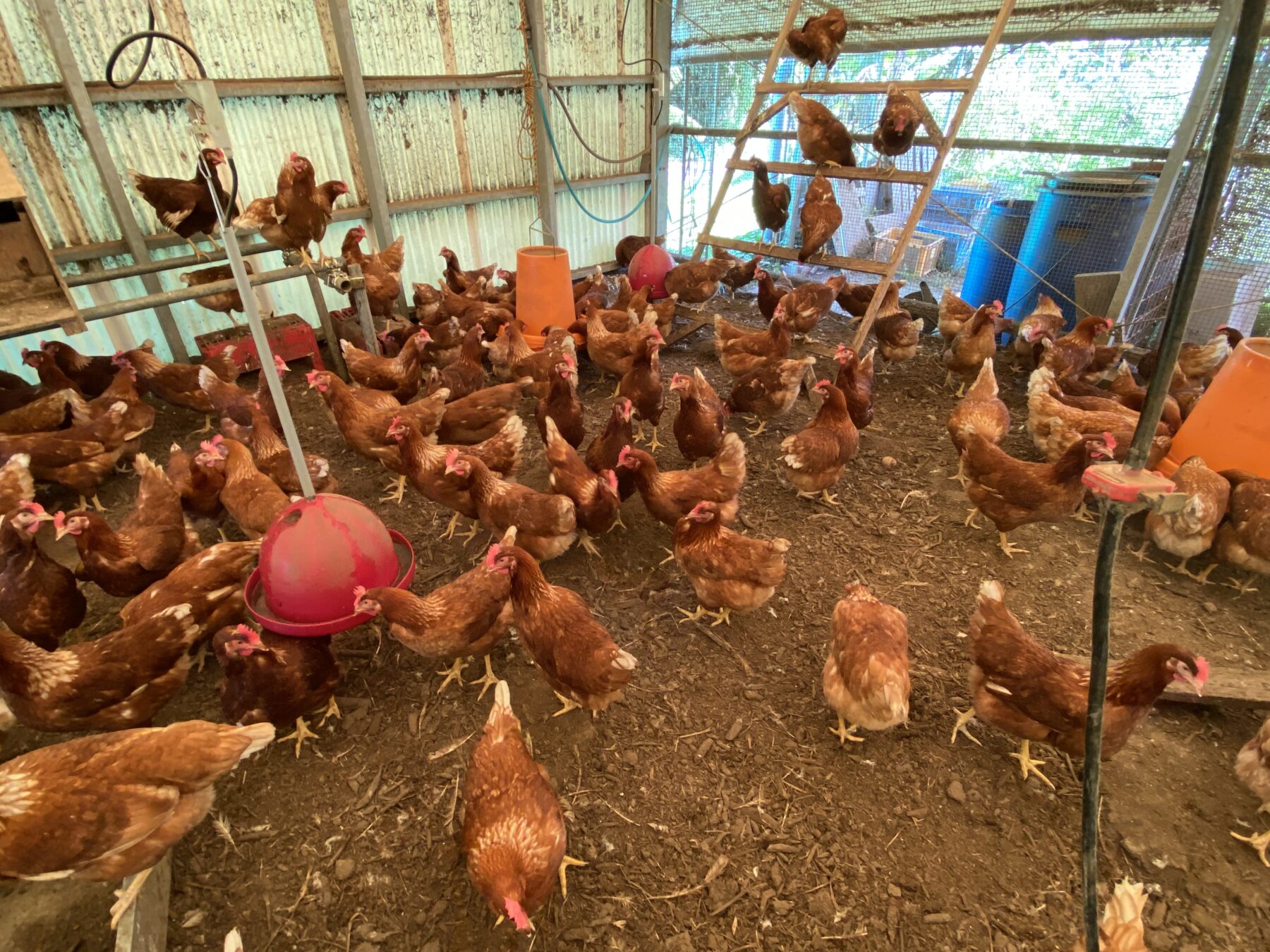
About 1,400 chickens are raised in a free-range coop, where AEM is used in their environment, drinking water, and feed to support health and reduce stress.
They practice circular farming by fermenting the EM hotel food waste into chicken feed and using the resulting chicken manure as field fertilizer.
They are enhancing this system with food waste bokashi and digestate from the EM Universal Village’s Bio Cycle Center.
They supplement regular feed with EM Bokashi (fermented rice bran, soybean meal, and fish meal) and provide weeds and crop residues as additional feed.
AEM is diluted 100–200 folds in drinking water.
Regular AEM spraying suppresses ammonia odors, creating a low-stress environment for both chickens and staff.
Eggs are collected, washed, hand-inspected, and carefully packaged for sale.
EM fermented feed improves the chickens’ digestive health, producing waste with minimal ammonia odor. The manure becomes high-quality compost rich in beneficial microorganisms for soil enrichment.
EM-fermented feed supports healthy digestion in chickens, resulting in low-odor droppings.
Their manure becomes high-quality compost rich in beneficial microorganisms for soil enrichment.
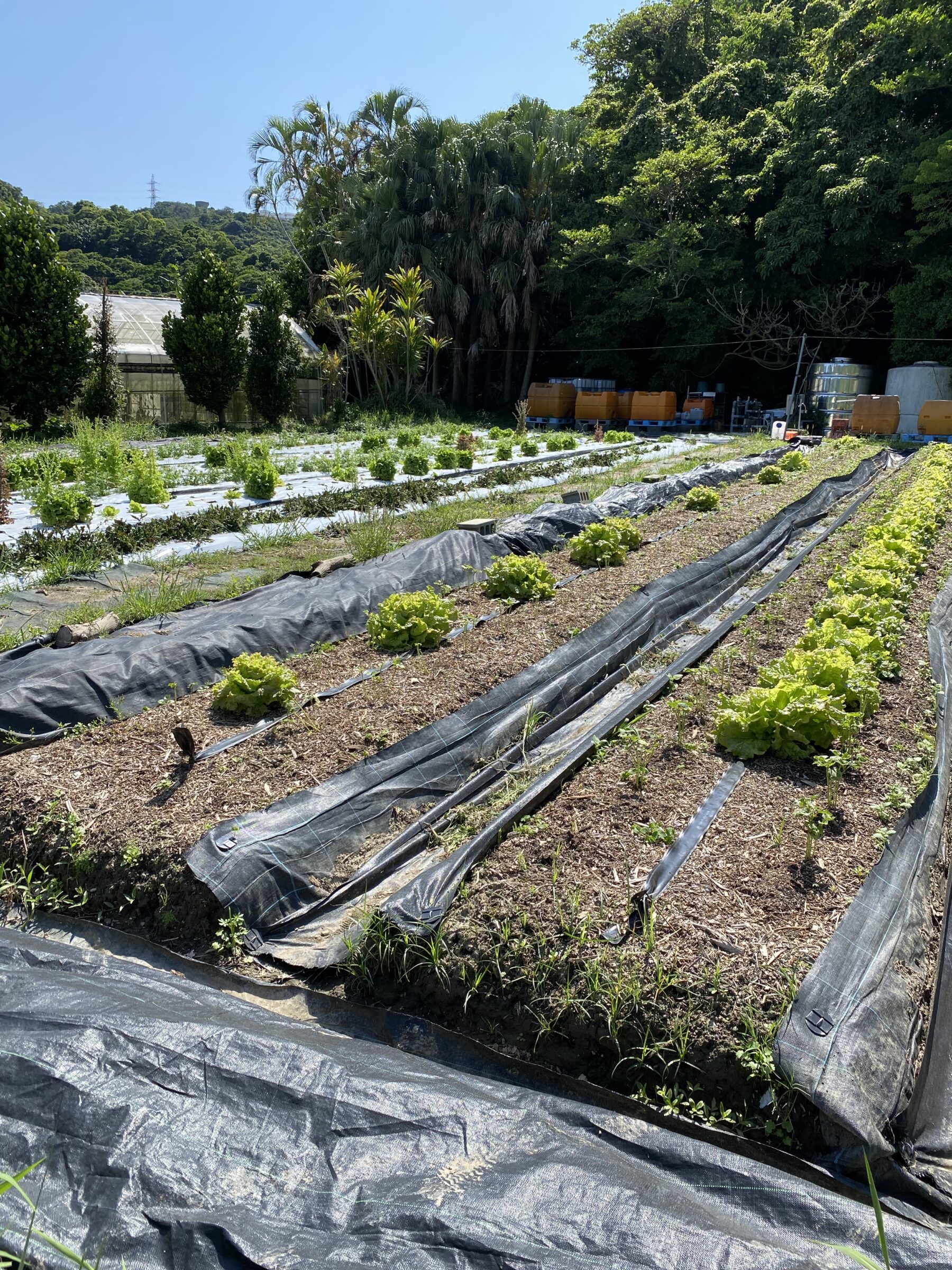
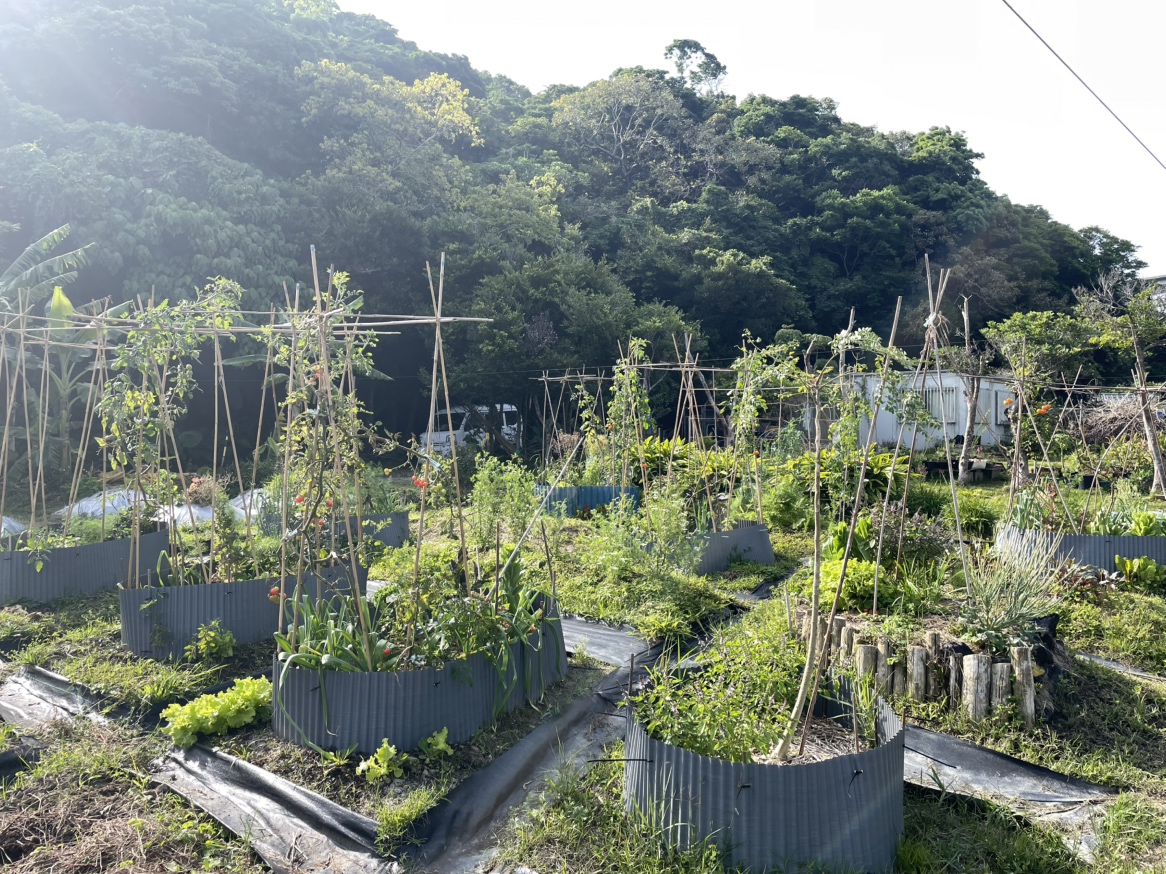
Sunshine Farm grows approximately 15 vegetable varieties annually using EM Technology, shipping to our EM hotel, EM Wellness Kurashino Hakko Lifestyle Resort and nearby supermarkets.
Summer crops include bottle gourd, okra, and cucumber; winter crops feature tomatoes and green beans.
They have established year-round lettuce and island vegetable cultivation for the EM hotel’s salad bar.
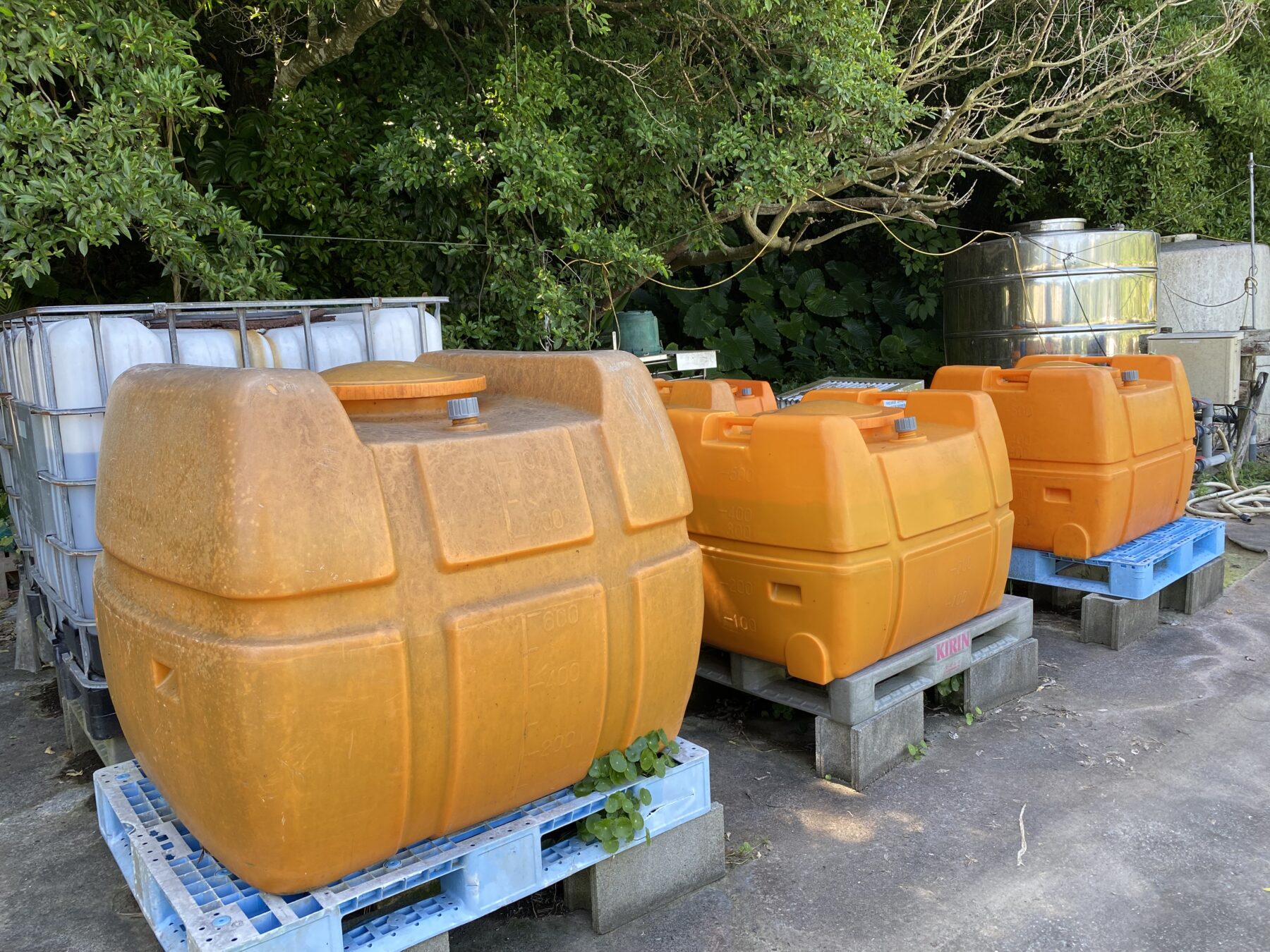
They culture AEM with seawater to create a mineral-rich solution applied through sprayers and irrigation.
This enhances soil microbes, boosts plant immunity, and reduces pests and disease.
Seeds are soaked in water with AEM to improve germination and early growth.
Fields are enriched with compost and fermented chicken manure.
The EM hotel’s food waste is now recycled through a new circular system at the EM Universal Village’s Bio Cycle Center.
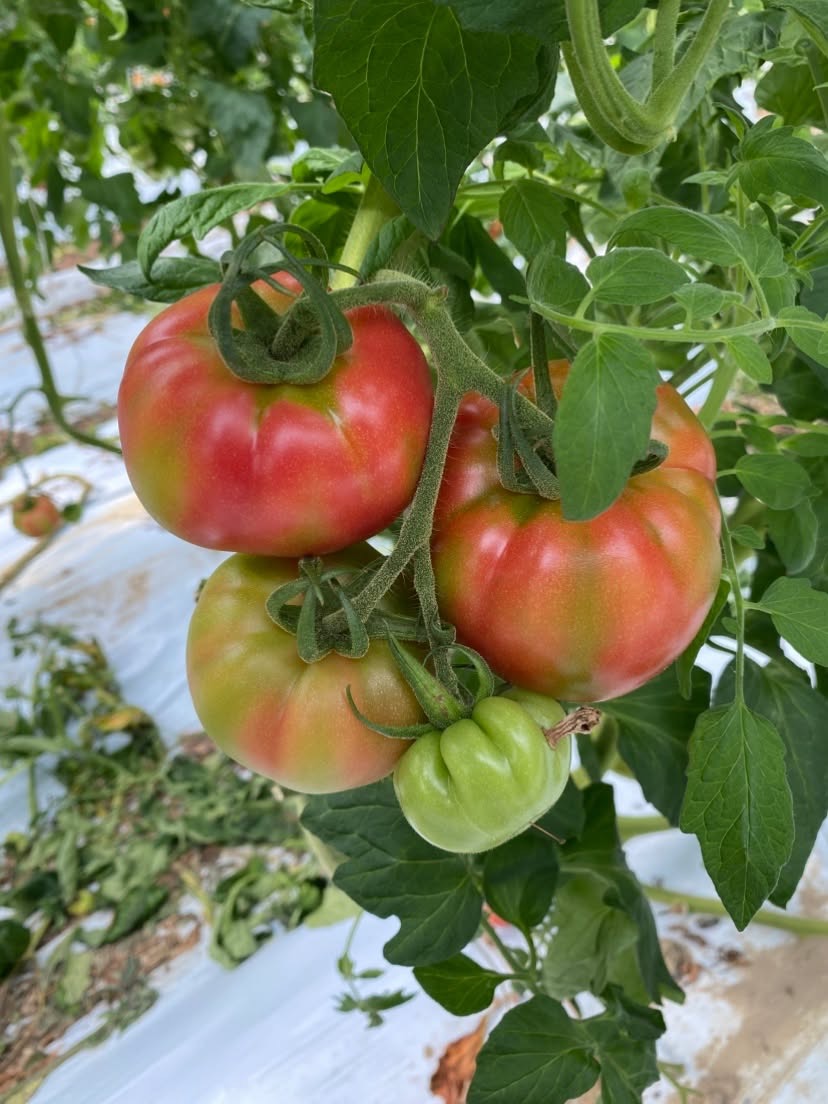
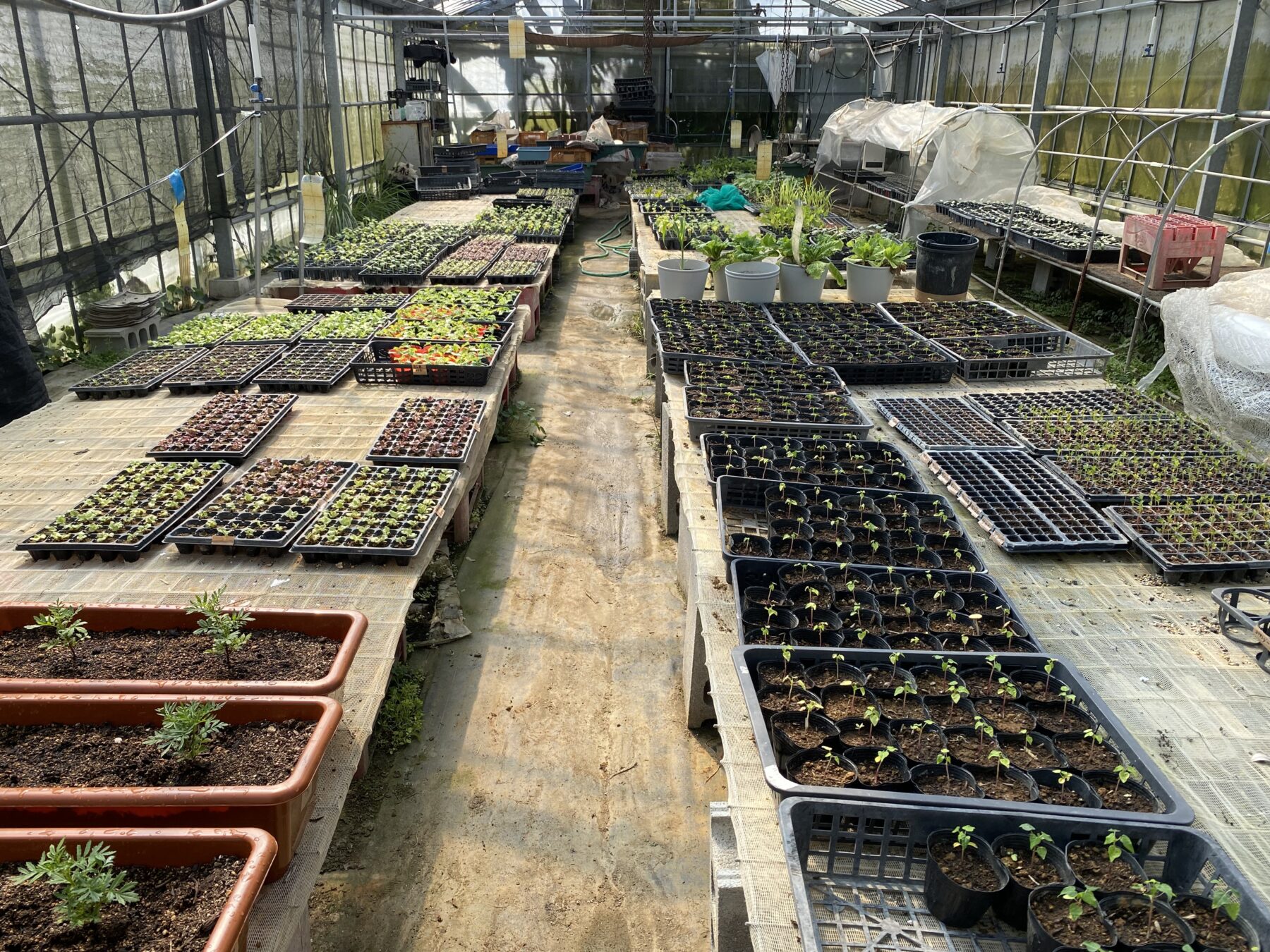
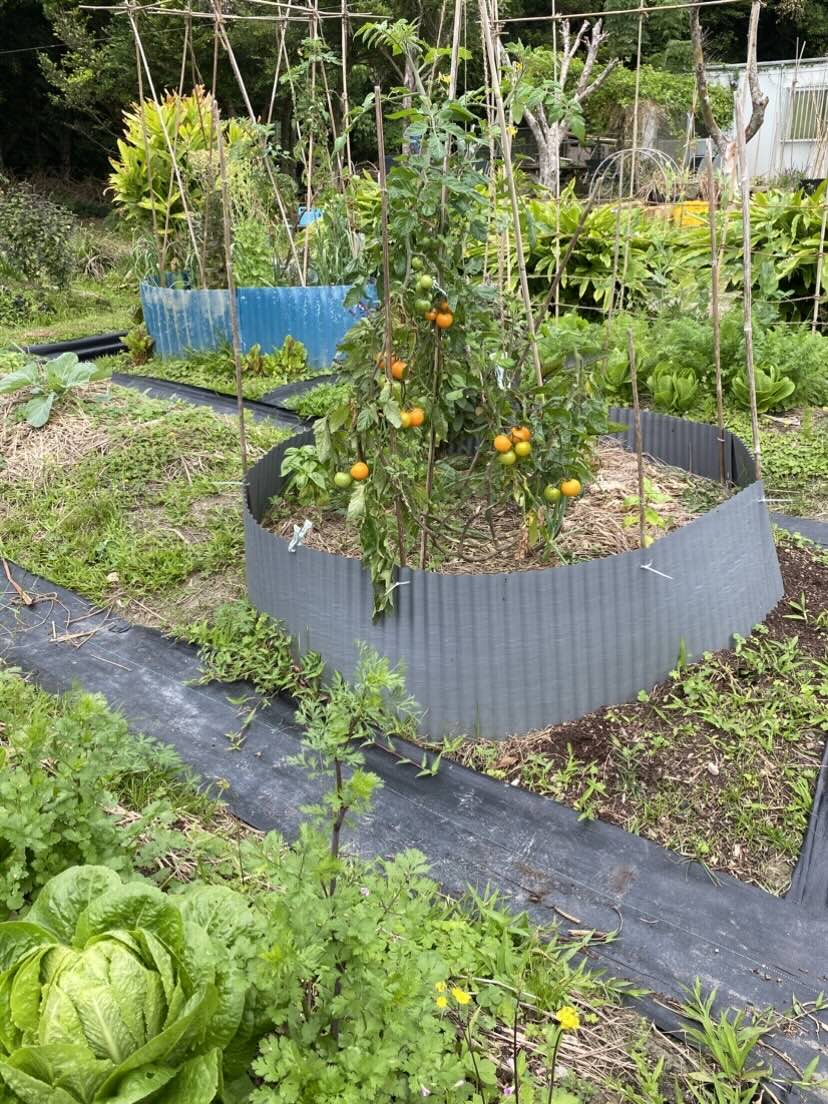
EM Sunshine Farm offers tours and hands-on agricultural experiences to engage the community with EM farming.
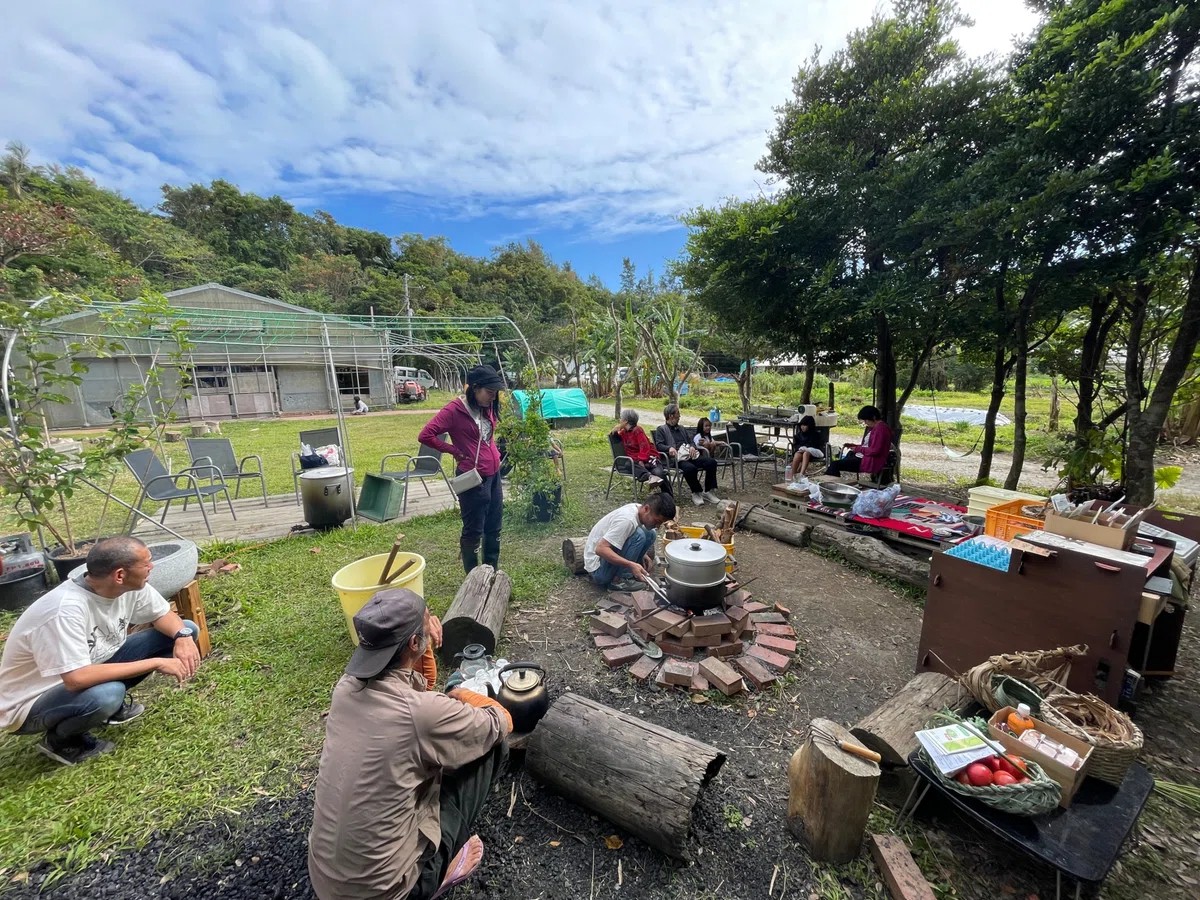
At their morning market, visitors can harvest and purchase fresh vegetables and eggs, a popular activity among guests.
The Community Garden, called ATAI GWADEN, meaning “my garden” in the Okinawan language, offers beginner-friendly farming experiences such as rice planting and harvesting, mochi making, and traditional crafts like grass weaving.
It’s a space where all ages connect with nature, the seasons, and each other, promoting a circular agricultural lifestyle.
Read also “Circular Farming for Food and Community I“
2025.7.15 Updated

EM Research Organization, Inc.|
All Rights Reserved. 2025 © EM Research Organization