
EM APPLICATION FIELDS

Waste Treatment

Transforming Waste into Resources

Growing populations and consumption increase waste volume, making sustainable management a major challenge. When organic waste is improperly treated, it can create pollution, odors, and harmful pathogens.

EM Technology helps turn these problems into valuable resources by shifting microbial activity from decay to beneficial fermentation. This practical, cost-effective approach supports cleaner waste management and promotes a more sustainable, circular society.
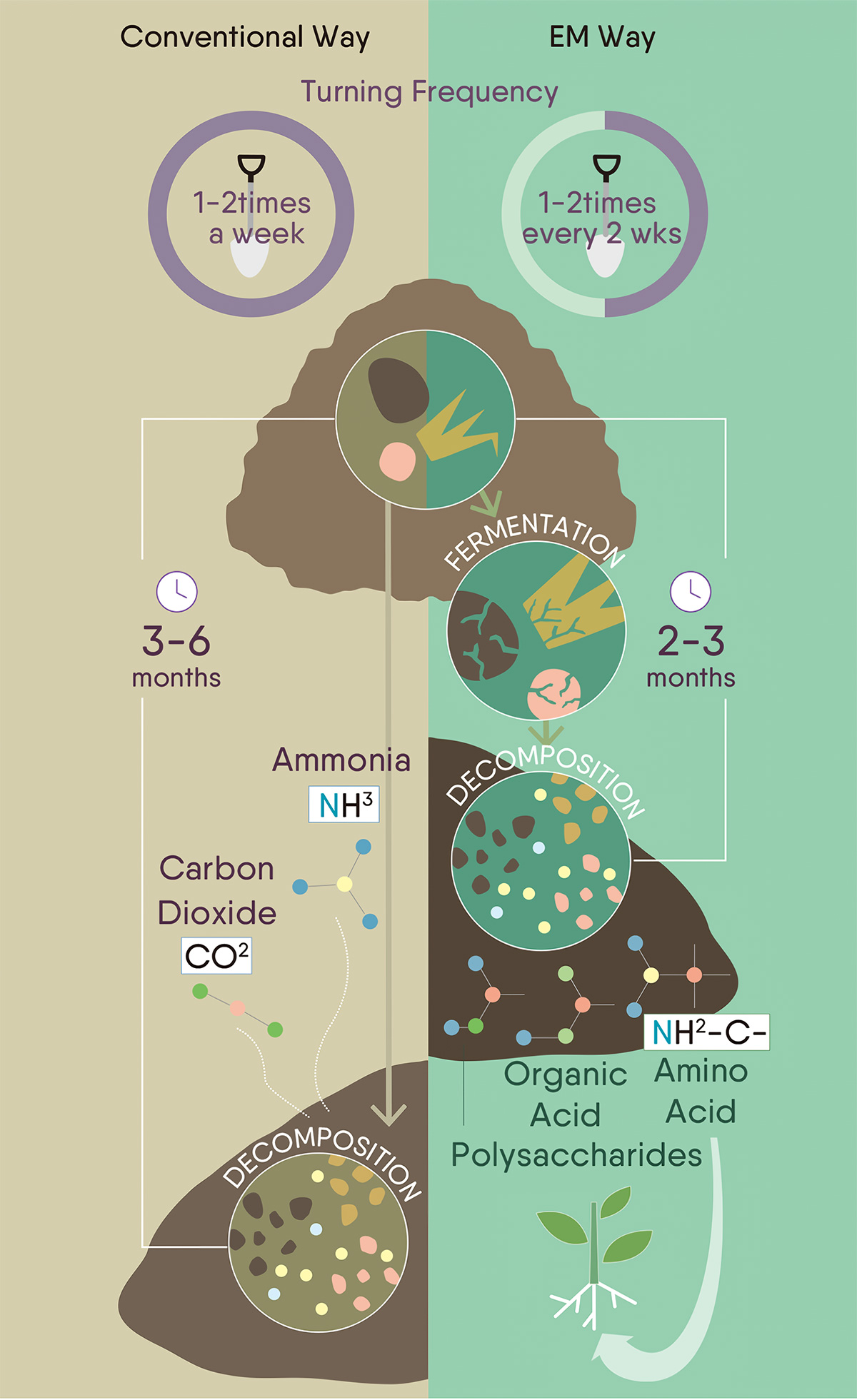
The Benefits of EM in " Waste Treatment "

Odor Control

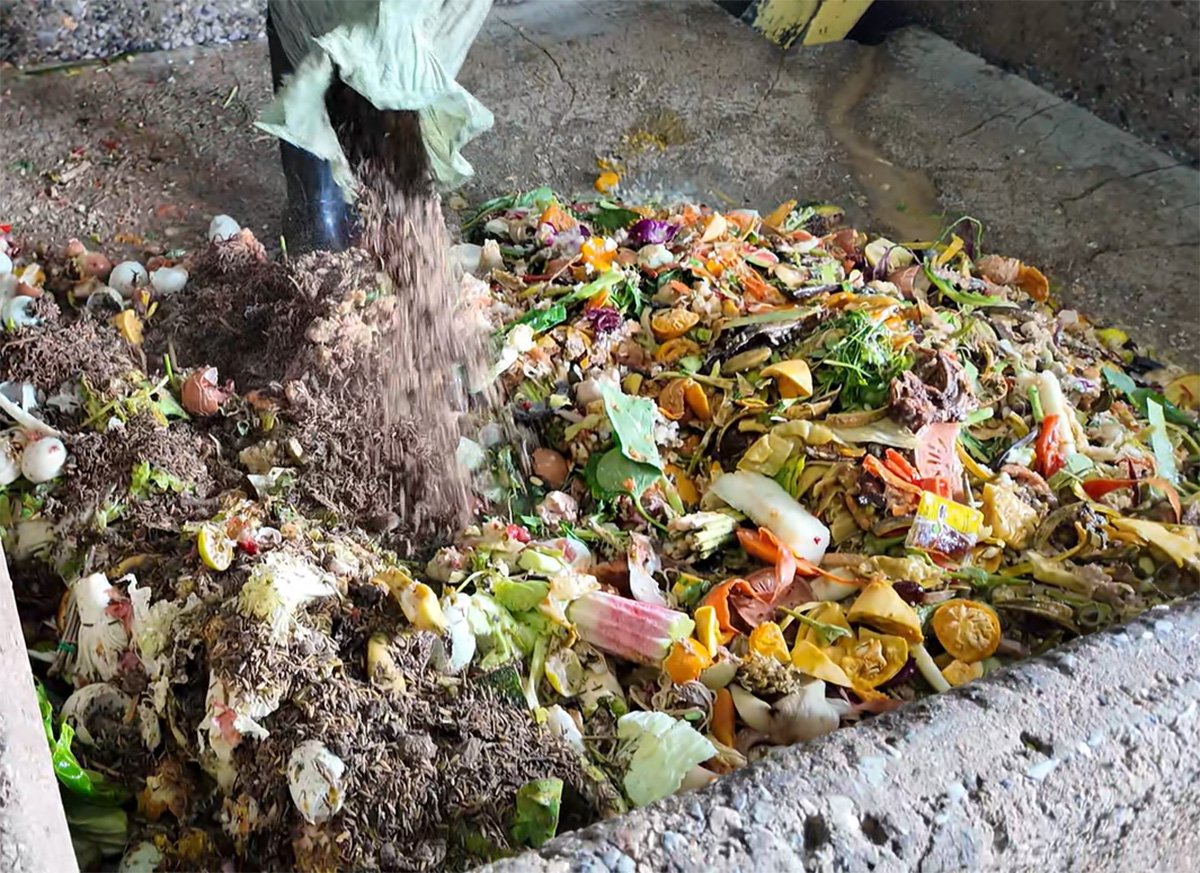
Household food waste decomposes quickly, releasing foul odors that attract flies and cockroaches. By introducing EM, the balance shifts from decay to fermentation. Beneficial microbes break down odor-causing compounds such as ammonia, effectively neutralizing noxious smells.

Because of this, EM is now used in waste management facilities—including incineration plants, landfills, and composting centers—where odor control is a constant challenge. Activated EM・1 and EM Bokashi provide a simple, affordable, and eco-friendly solution.

Converting Food Waste into Fertilizer

When moisture-rich kitchen waste is incinerated, it lowers combustion efficiency, requiring more fuel and increasing CO₂ emissions. With EM, food scraps can instead be fermented into safe, nutrient-rich compost.

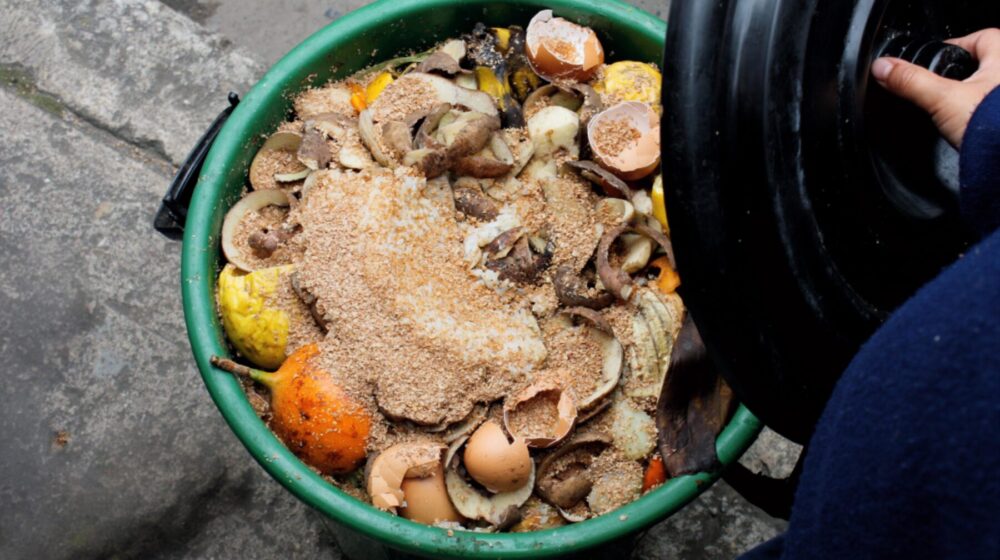
Many municipalities now promote EM-based food waste recycling at the household level. Using EM Bokashi, families can ferment kitchen waste at home, reducing garbage volume, suppressing odors, and even reusing the liquid byproduct as fertilizer.
Compared to burying waste, EM fermentation is faster, more efficient, and prevents leachate contamination.

Composting Agricultural and Livestock Waste

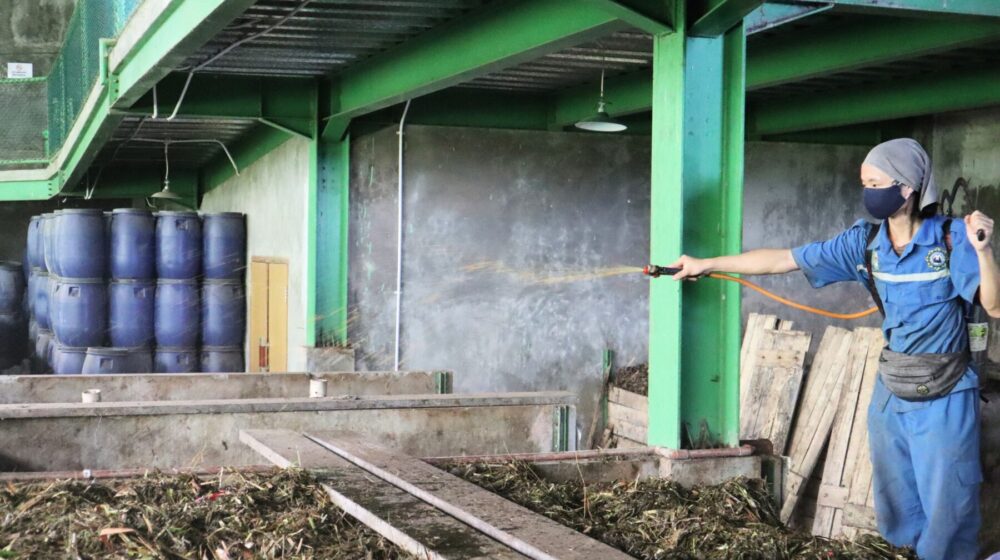
Agricultural residues and livestock manure are major sources of environmental pollution. Using EM, these waste streams can be composted into high-quality fertilizer or even feedstock, improving farm efficiency, reducing costs, and improving soil quality.
Examples include:
  • Nutrient-rich compost made from fermented crop residues
  • EM silage with higher protein content and digestibility.
  • Manure fermented into safe compost that reduces greenhouse gas emissions and dependence on chemical fertilizers.

Composting and Plant Growth

The microbes in EM—lactic acid bacteria, yeasts, and phototrophic bacteria—ferment organic matter and prevent putrefaction.
With EM composting:
  • Harmful bacteria are suppressed.
  • Fermentation proceeds faster, requiring less turning.
  • Composting time is shortened, improving efficiency.
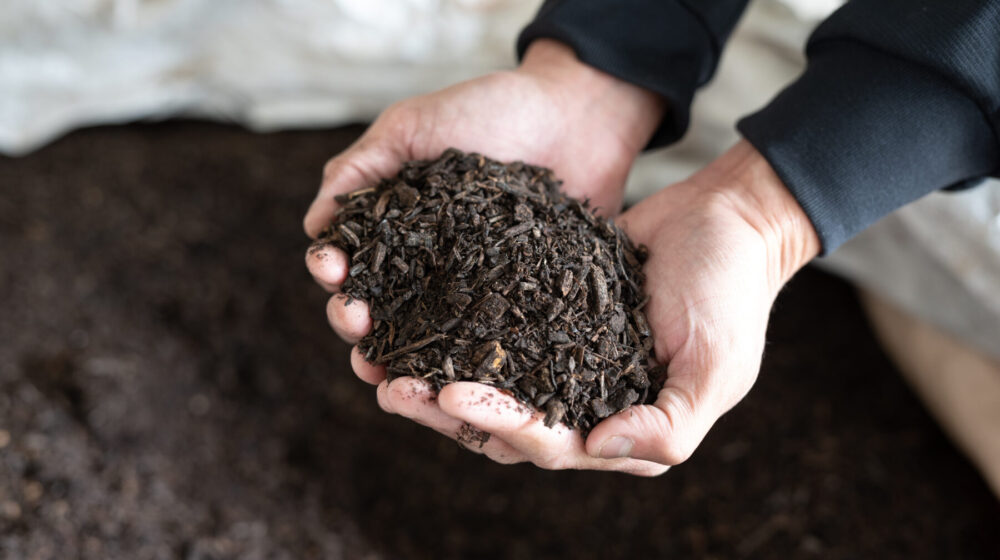
  • The final compost is rich in amino acids and polysaccharides.
These compounds directly support plant growth: amino acids are readily absorbed by plants, while polysaccharides feed beneficial microbes in the soil. The result is stronger plants and sweeter, higher-quality produce.

Case Studies Explore Case Studies in Waste Treatment

Other Application

This website uses our own and third-party cookies and Google Analytics to ensure you get the best experience on our website. To continue browsing this website, you must accept the use of cookies and Google Analytics. Please read our Privacy Policy.